Learn how to drive social media engagement by linking strategy and tactics and measuring results. Social media technologies are continuously transforming the ways consumers interact with each other and firms. These changes constitute a fundamental shift in the marketplace--consumers have greater opportunities to voice their opinions and connect with their peers as well as increased influence over marketers and brands.
Class Deals by MOOC List - Click here and see EdX's Active Discounts, Deals, and Promo Codes.
A newer version of this course is available here:
Strategic Social Media Marketing
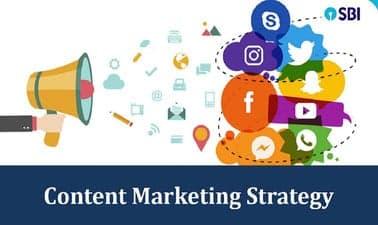
In this course, part of the Digital Product Management MicroMasters program, we examine how organizations capitalize on social media and consumer-to-consumer interactions to support their marketing efforts. We view these issues from a strategic and a practical perspective, rather than a technical or platform perspective. We will give you the knowledge you need to create engaging content for platforms such as Facebook, Instagram, Twitter, and Snapchat, as well as how to identify influencers, deliver content to a targeted audience, and measure the success of your efforts.
This course will equip learners with the skills they need to promote their company’s products or services, or their own personal brand using social media. Additionally, learners will gain an understanding of how they can use social media to achieve specific organizational objectives and measure the effectiveness of those efforts.
What you'll learn
- How to develop a social media marketing strategy
- How to develop and deliver content that engages consumers and is strategically integrated across platforms
- How to measure the effectiveness of social efforts
- How social media can be used to listen to consumers and monitor their behavior
- How to manage social media
Course Syllabus
Week 1: A Strategic Perspective on Social Media Marketing
Introduction to social media and how it has altered the consumer decision-making process and communications paradigm. Describe the role of social media in marketing strategy and assess the tradeoffs in using social media relative to traditional communication methods. Learn how to set social media marketing objectives that are linked to business objectives.
Week 2: Leveraging Networks
Understand the role of networks in the distribution of content, including network structure and how it affects the flow of information. Learn how to leverage online networks and communities to engage consumers in brand-related conversations. Discuss how to identify influencers and their role in distributing content.
Week 3: Creating Engaging Content
Learn how to create social media content that attracts and retains consumers’ attention and motivates engagement and sharing. Describe the role of storytelling in a digital landscape. Understand how to evaluate and select platforms for distributing content.
Week 4: Social Media Listening and Co-Creation
Examine how social media listening is integrated into marketing decision making. Introduction to approaches to social media listening and how to draw inferences from listening data. Learn how social media is used to facilitate open innovation and co-creation.
Week 5: Assessing Social Media ROI
Introduction to a framework for assessing the return on investment of social media activities. Describe metrics for measuring the success of social media efforts and explore the role of analytics in linking these metrics to the bottom line. Understand the role of paid media in social media marketing.
Week 6: The Role of Social Media in the Organization
Describe organizational approaches to managing social media and developing social media policy. Discuss how to manage specific issues in social media, including negative feedback, online reviews, and crisis management. Identify ethical conflicts and issues associate with social media marketing decisions.