EdX

The Science of Weight Loss: Dispelling Diet Myths (edX)

The Science of Weight Loss: Dispelling Diet Myths (edX)

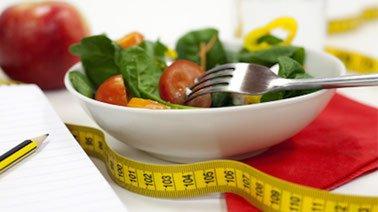
Arm yourself with the knowledge and tools to make healthy eating decisions as you learn the science behind weight loss and dispel diet and nutrition myths. Whether you are trying to lose weight yourself, or are supporting others, this food and nutrition course will dispel common myths about weight loss and teach you the science behind healthy eating for a healthy weight.

Class Deals by MOOC List - Click here and see EdX's Active Discounts, Deals, and Promo Codes.

This course is not a diet plan – there are plenty of diet plans out there to choose from. Rather, we will take you through the science behind weight loss and arm you with the knowledge and tools to make the right decisions.

Based on the latest research, you’ll learn to develop a healthy eating plan to achieve a healthy weight. You’ll also discover more about the definition of a healthy weight, the nutritional composition of foods, how to cut calories or kilojoules, proper portion sizes, and how to identify and avoid fad diets.

What you'll learn

  • Key weight management concepts including measuring body composition, calories and kilojoules, energy density, portion size, and metabolic rate
  • The nutritional composition of different foods
  • How to use dietary assessment tools and calculate energy requirements
  • How to identify features of fad diets and healthy diets
  • Key behaviours for successful long term maintenance of lost weight

Course Syllabus

  1. Assessing weight status and setting weight loss goals
  2. Dietary guidelines and introduction to energy
  3. Macronutrients and portion control
  4. Dietary assessment and food and exercise tracking
  5. Fad diets and risks of rapid weight loss
  6. Self-reflection and key strategies for successful weight loss maintenance
Go to Class
MOOC List is learner-supported. When you buy through links on our site, we may earn an affiliate commission.

Related Courses

Food Fermentation: The Science of Cooking with Microbes (edX) EdX
HarvardX,Harvard University

Food Fermentation: The Science of Cooking with Microbes (edX)

In Food Fermentation: The Science of Cooking with Microbes, explore the history of food and beverage fermentations and how tiny microbes change and enhance flavors, aromas, and tastes in our food. What’s living in your food? Many of the foods that we consume daily owe their distinct characteristics and flavors to microbes, specifically through a biochemical process of fermentation (using bacteria, fungi, and other microorganisms to produce diverse foods).

Self Paced
Self-Paced
The Science of Beer (edX) EdX
Wageningen University,WageningenX

The Science of Beer (edX)

Are you interested in more than just the taste of beer? Discover what's in your beer, how it's made and marketed and the effect it has on your body and health. Have you ever taken a sip of beer and wondered why it tastes a certain way or what effect the alcohol has on your body? In this course, you will learn all about beer, including how it's made, the raw materials used, it's supply chain, how it's marketed and the effect of beer consumption on your body.

Self Paced
Self-Paced
Healthy Ageing in 6 Steps. Let your environment do the work. (edX) EdX
Delft University of Technology,DelftX

Healthy Ageing in 6 Steps. Let your environment do the work. (edX)

Learn how to make healthy choices and adjustments to your lifestyle and environment to help you live a healthier, happier and longer life. Many health complaints, such as cardiovascular disease, diabetes or joint problems seem inescapable diseases of old-age, but originate mostly from our lifestyle. A lifestyle that is dictated much in part by our environment. The mismatch between our 'old' genes - our evolutionary heritage - and the 'modern' environment is the reason that we cannot resist the constant stimuli that seduce us to make unhealthy choices. Do's and don'ts cannot help us.

No sessions available
Self-Paced
Feeding a Hungry Planet: Agriculture, Nutrition and Sustainability (edX) EdX
SDGAcademyX,SDG Academy

Feeding a Hungry Planet: Agriculture, Nutrition and Sustainability (edX)

How do we create a healthy and sustainable diet for the growing world population? Agriculture is more than waving fields of wheat; our ability to grow food from existing natural resources – and without decimating those resources – is key to sustainably feeding the world. In this course, learn about food security worldwide, the effects of malnutrition, how we manage ecosystems that provide food resources and more.

Self Paced
Self-Paced
Science & Cooking: From Haute Cuisine to Soft Matter Science (chemistry) (edX) EdX
HarvardX,Harvard University

Science & Cooking: From Haute Cuisine to Soft Matter Science (chemistry) (edX)

Top chefs and Harvard researchers explore how everyday cooking and haute cuisine can illuminate basic principles in chemistry, physics, and engineering. Learn about food molecules and how chemical reactions can affect food texture and flavor. During each module of this course, chefs reveal the secrets behind some of their most famous culinary creations — often right in their own restaurants. Inspired by such cooking mastery, the Harvard team will then explain the science behind the recipe.

Self Paced
Self-Paced
Conscious Grocery Shopping: Sustainability, Nutrition, Health and Law (edX) EdX
University of Bayreuth,BayreuthX

Conscious Grocery Shopping: Sustainability, Nutrition, Health and Law (edX)

Would you consider yourself a conscious decider when it comes to food grocery shopping? Do you really buy healthy and sustainably? Enroll in this course for a journey through the grocery store with multidisciplinary scientific insights that will empower you to make better food choices. Our professors will give you insights into the fascinating scientific world of food commodities highlighting the aspects of sustainability, nutrition, health and law.

Self Paced
Self-Paced
Nutrition and Cancer (edX) EdX
Wageningen University,WageningenX

Nutrition and Cancer (edX)

Discover the latest insights on the role of diet, nutrition and lifestyle in the prevention, occurrence and progression of cancer. Is cancer partly preventable through a healthy diet? Cancer has overtaken cardiovascular disease (CVD) as the leading cause of death in many parts of the world. It causes one in eight deaths worldwide. Global trends show that the majority of all cancer deaths occur in the low- and middle-income countries. Yet, cancer can be partly prevented and many of these deaths can be avoided.

Self Paced
Self-Paced
Introduction To Food & Health (edX) EdX
StanfordOnline

Introduction To Food & Health (edX)

This CME activity provides a practical approach to supporting healthy eating for a variety of medical needs. Through the use of didactic videos, animated cases, and interactive activities course participants will gain proficiency in recommending well-established nutritional practices and assessing barriers to healthy eating for patients and physicians alike.

Self Paced
Self-Paced
Sustainability in Everyday Life (edX) EdX
Chalmers University of Technology,ChalmersX

Sustainability in Everyday Life (edX)

This course will arm you with the information and skills required to make more sustainable choices everyday! Daily headlines warn of new chemical dangers, species on the edge of extinction, global warming-- framing our planet as “at risk.” Some people stop listening, others get alarmed, while some others want to learn more in hopes of making a difference in the world.

No sessions available
5-12 Weeks
Sustainable Global Food Systems (edX) EdX
University of Edinburgh,EdinburghX

Sustainable Global Food Systems (edX)

How do we feed 11 billion people? Discover the importance of sustainable food systems on a global scale. We are currently facing one of the biggest challenges worldwide: how to feed a growing population without exhausting global resources. This course examines food security from a food systems perspective and illustrates the major global challenges present, from the environmental impact of food production to the public health impacts of current and future diets.

Self Paced
Self-Paced