EdX

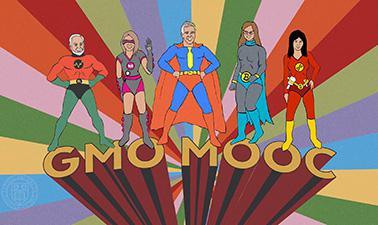
The Science and Politics of the GMO (edX)

Offered by Cornell University,
The Science and Politics of the GMO (edX)

Learn the basics of genetic engineering and biotechnology and examine why the GMO is politically contentious. Participants will gain an understanding of how science works, its limits, and how the interaction of these factors leads to decision making.

Class Deals by MOOC List - Click here and see EdX's Active Discounts, Deals, and Promo Codes.

What exactly are genetically modified organisms (GMOs) and why do scientists develop them? Studying the science of GMOs helps us understand biotechnology’s potential role in addressing challenges in agriculture.

In this introductory Food and Nutrition course, you will learn the basics of genetic engineering, explore the political debate around the GMO and review the arguments for and against their use.
We will study the politics surrounding the GMO and its impact at both an individual level and to society as a whole; including the problems, perceptions, benefits, and risks associated with GMOs. Important to understanding the complexities around this topic we will not only be looking at the science behind how the GMO works, but also to the limitations of this science. We will also discuss the importance of information literacy as a tool for effectively identifying and evaluating issues.
Our goal is that this MOOC will impact people's understanding of science, what it can and can't do, and how information is transmitted. The intent is not to influence how people feel about GMOs, but to give them the critical thinking and scientific literacy tools necessary to make informed decisions — and to understand the broader impacts of those decisions.

What you'll learn:

  • Assess, understand and apply social science concepts as they affect the development and use of biotechnology products and processes
  • Gain an understanding of how biotechnology intersects with globalization, trade, poverty, food security, and environmental sustainability
  • Understand and evaluate research articles and research methods related to biotech crops
  • Learn to formulate well-structured research questions, recognize appropriate research methods, and assess research reports
  • Craft thoughtful and effective arguments, with supporting evidence at the intersection of science and social science on issues of public policy

Syllabus

Week 1 - Introduction/Why GMOs
Week 2 - Why not GMOs
Week 3 - Contributions and Limits of Science
Week 4 - Politics and Society
Week 5 - GMOs and You

Go to Class
MOOC List is learner-supported. When you buy through links on our site, we may earn an affiliate commission.

Related Courses

Food for Thought (edX) EdX
McGill,McGillX

Food for Thought (edX)

A course that offers a scientific framework for understanding food and its impact on health and society from past to present. Eating and understanding the nuances of food has become a complicated and often confusing experience. Virtually every day brings news about some “miracle food” that we should be consuming or some "poison" we should be avoiding.

No sessions available
5-12 Weeks
Introduction To Food & Health (edX) EdX
StanfordOnline

Introduction To Food & Health (edX)

This CME activity provides a practical approach to supporting healthy eating for a variety of medical needs. Through the use of didactic videos, animated cases, and interactive activities course participants will gain proficiency in recommending well-established nutritional practices and assessing barriers to healthy eating for patients and physicians alike.

Self Paced
Self-Paced
Drug Commercialization (Coursera) Coursera
University of California, San Diego

Drug Commercialization (Coursera)

The University of California San Diego, Skaggs School of Pharmacy and Pharmaceutical Sciences Drug Commercialization course brings you lectures from both faculty and industry experts. With this course, recorded on campus at UCSD, we seek to share our access to top people in the field who bring an unprecedented range of expertise on drug commercialization. This course will cover pharmacoeconomic, marketing strategy, intellectual property strategy, portfolio management, managed markets and strategic alliances. It will also have a lecture case study from startup to success.

Aug 17th 2026
4 Weeks
The Science of Beer (edX) EdX
Wageningen University,WageningenX

The Science of Beer (edX)

Are you interested in more than just the taste of beer? Discover what's in your beer, how it's made and marketed and the effect it has on your body and health. Have you ever taken a sip of beer and wondered why it tastes a certain way or what effect the alcohol has on your body? In this course, you will learn all about beer, including how it's made, the raw materials used, it's supply chain, how it's marketed and the effect of beer consumption on your body.

Self Paced
Self-Paced
Life with Diabetes (edX) EdX
Curtin University,CurtinX

Life with Diabetes (edX)

Learn how to confidently manage your diabetes and live a healthy, happy life. This course focuses on providing skills and resources for you and your family to manage life with diabetes. You will learn what diabetes is, the difference between type 1, type 2 and gestational diabetes as well as how they are treated and why management is so important.

This course is archived
5-12 Weeks
Nutrition, Heart Disease and Diabetes (edX) EdX
Wageningen University,WageningenX

Nutrition, Heart Disease and Diabetes (edX)

Discover the latest insights on the importance of nutrition and lifestyle in the development and treatment of cardiovascular diseases and diabetes mellitus in the online open course Nutrition, Heart disease and Diabetes. Learn about the role of nutrition in relation to diseases of the circulatory system and diabetes, which are major causes of death worldwide.

Self Paced
Self-Paced
Nutrition and Health: Food Safety (edX) EdX
Wageningen University,WageningenX

Nutrition and Health: Food Safety (edX)

Learn about bacteria, pesticides and health hazards present in food. Everyday reports of food scandals and recalls are published. One day it's scary bacteria in meat, and another day it's dangerous pesticides in fruits. According to some, meat needs to be cooked well to prevent food-borne illness while others warn not to heat food to prevent the formation of poisonous substances.

Self Paced
Self-Paced
Retos de la Agricultura y la Alimentación en el Siglo XXI (edX) EdX
Universitat Politècnica de València,UPValenciaX

Retos de la Agricultura y la Alimentación en el Siglo XXI (edX)

Reflexionaremos sobre agricultura y alimentación en un planeta que tiene que alimentar a una población creciente con recursos limitados. El planeta se enfrenta al reto de alimentar a una población creciente en un escenario de limitación de recursos, mercados agroalimentarios imperfectos, crisis de alimentos, y población rural vulnerable. El curso invita a una reflexión sobre las alternativas de la agricultura y la alimentación, vistas como solución a los desafíos socio-económicos y ambientales, con énfasis en el papel de la agricultura familiar y en modos de producción sostenibles, en el marco de cadenas de valor más equilibradas.

No sessions available
5-12 Weeks
Introduction to Bioethics (edX) EdX
Georgetown University,GeorgetownX

Introduction to Bioethics (edX)

Introduction to Bioethics explores some of the most difficult - and fascinating - moral challenges we face in health, medicine, and emerging technologies. Should we clone humans? Who owns our DNA? How much control should we have over how and when we die? When does medical treatment turn into medical enhancement — and should we care? Is rationing health care good, bad, necessary — or all of the above? This course will explore fundamental moral issues that arise in medicine, health, and biotechnology.

No sessions available
13-24 Weeks
Industrial Biotechnology (edX) EdX
Delft University of Technology,DelftX

Industrial Biotechnology (edX)

Learn the basics of sustainable processing for biobased products to further understand their impact on global sustainability. As fossil-based fuels and raw materials contribute to climate change, the use of renewable materials and energy as an alternative is increasingly important and common. This transition is not a luxury, but rather a necessity.

Self Paced
Self-Paced