Mario Botta: To Be an Architect (FutureLearn)

Mario Botta: To Be an Architect (FutureLearn)

Find out what it means to be an architect in a meeting with Mario Botta. Get an introduction to the architecture of Mario Botta - one of the most famous contemporary architects - with this online course from USI Università della Svizzera italiana.

Class Deals by MOOC List - Click here and see FutureLearn's Active Discounts, Deals, and Promo Codes.

You’ll explore the relationship between architecture and geography, sacred architecture and restoration, and the correlation between architecture and the other arts.
You’ll also analyse some of Mario Botta’s famous works, as well as the training model for Architecture students as it was conceived and developed in the Academy of Architecture in Mendrisio, one of the faculty of USI.

What topics will you cover?

  • What does it mean to be an architect?
  • Architecture and geography: the city, house and collectivity, the example of Venice
  • Sacred architecture and restoration
  • Architecture and the other arts
  • Architecture, design and textiles
  • Mario Botta and his masters
  • Works of Mario Botta: the “Stone flower” on the Monte Generoso
  • Works of Mario Botta: the Academy of Architecture and the Theatre of Architecture in Mendrisio as examples of a humanistic approach to architecture

What will you achieve?
By the end of the course, you'll be able to...

  • Develop critical thinking about some basic concepts in architecture
  • Identify the relationships among architecture and other arts and disciplines
  • Describe the architect’s work
  • Explain the relationship between the concepts of living, city and collectivity
  • Develop a personal conception of the architect's work based on Mario Botta’s approach
  • Describe the philosophy of the foundation of the Academy of Architecture in Mendrisio and of some other works by Mario Botta
  • Reflect on what does it mean to "build" an architect
  • Identify some of the most important works of Mario Botta
  • Reflect on a humanistic approach to architecture
  • Reflect on contemporary architecture
  • Identify the architects who most influenced Mario Botta's works
Go to Class
MOOC List is learner-supported. When you buy through links on our site, we may earn an affiliate commission.

Related Courses

Age of Cathedrals (Coursera) Coursera
Yale University

Age of Cathedrals (Coursera)

An introduction to some of the most astonishing architectural monuments the world has ever known—Gothic cathedrals. We shall study the art, literature, intellectual life, economics, and new social arrangements that arose in the shadow of the cathedrals and that were such an important part of the revival of cities in the twelfth and thirteenth centuries. The goal of the course is a better appreciation of the High Middle Ages, a world that is still recognizably our own.

Nov 23rd 2026
5-12 Weeks
Explorer l’espace des humains: une introduction à la géographicité (edX) EdX
École Polytechnique Fédérale de Lausanne,EPFLx

Explorer l’espace des humains: une introduction à la géographicité (edX)

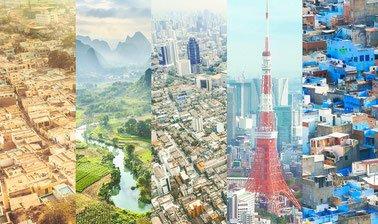
Explorer comment la géographie, la cartographie, l’urbanisation et la justice spatiale jouent un rôle dans la compréhension de l’espace des humains et des sociétés. Comment définir et comprendre la notion d’espace? Comment l’urbanisation, la mobilité, Internet et la mondialisation ont-ils influencé notre perception du temps et de l’espace? Ce cours a pour objectif de définir la notion d’espace en apportant des clés de lecture pour comprendre les sociétés qui nous entourent.

Self Paced
Self-Paced
Software Architecture (Coursera) Coursera
University of Alberta

Software Architecture (Coursera)

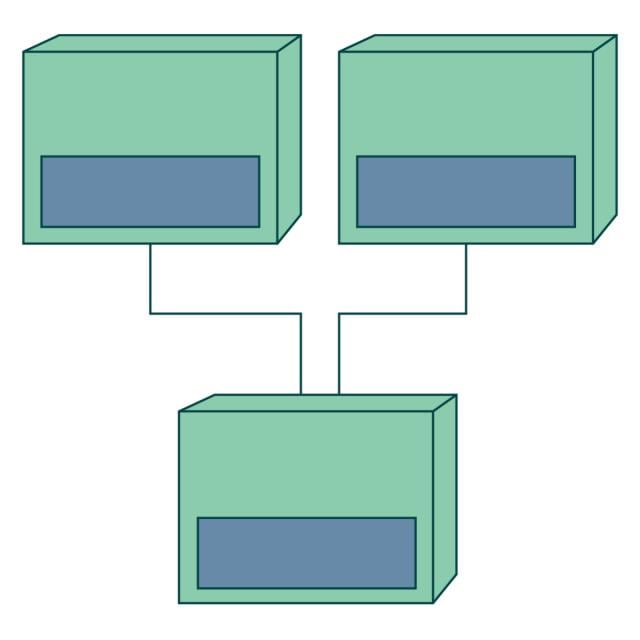
The way that software components — subroutines, classes, functions, etc. — are arranged, and the interactions between them, is called architecture. In this course you will study the ways these architectures are represented, both in UML and other visual tools. We will introduce the most common architectures, their qualities, and tradeoffs. We will talk about how architectures are evaluated, what makes a good architecture, and an architecture can be improved. We'll also talk about how the architecture touches on the process of software development.

Nov 2nd 2026
4 Weeks
Sustainability in Architecture: An Interdisciplinary Introduction (edX) EdX
Universitat Politècnica de València,UPValenciaX

Sustainability in Architecture: An Interdisciplinary Introduction (edX)

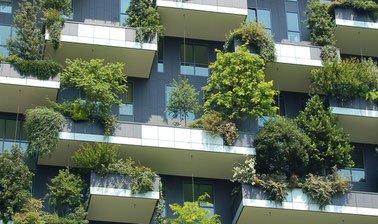
This course introduces the basic elements and trends that define sustainability practices in Architecture today. It follows an interdisciplinary approach that includes performance assessment and urban policies. This course offers an interdisciplinary approach to sustainability in Architecture. Learners will be introduced to the basic elements of sustainability assessments (first model layer), as well as trends informing the space today.

Self Paced
Self-Paced
Structures en architecture (FUN) FUN
Ecole Nationale Supérieure d’Architecture de Montpellier

Structures en architecture (FUN)

Ce MOOC est une introduction aux notions de base de mécanique des structures en architecture. L’équipe pédagogique a souhaité renouveler l’approche de l’enseignement des structures en tenant compte des profonds changements en matière d’apprentissage des étudiants, mais elle n’en a pas pour autant abandonné les exigences de rigueur indispensables aux notions abordées. Cette approche est sensible et progressive, et partira des propres intuitions de chacun pour aller étape par étape vers la compréhension des phénomènes physiques en jeu.

Nov 14th 2022
5-12 Weeks
China’s First Empires and the Rise of Buddhism (edX) EdX
HarvardX,Harvard University

China’s First Empires and the Rise of Buddhism (edX)

Learn about the Qin and Han dynasties, and how Buddhism and ideas of self-realization influenced the medieval period. This course, the second in a collection on Chinese history and culture, addresses how the Qin dynasty conquered China and established a new system of government and how the Han dynasty built a stable, centralized empire that lasted for hundreds of years. We cover the early history of Buddhism in China and how the rising feudal aristocracy responded to the loss of empire by looking inward.

Self Paced
Self-Paced
Coexistence in Medieval Spain: Jews, Christians, and Muslims (Coursera) Coursera
University of Colorado System

Coexistence in Medieval Spain: Jews, Christians, and Muslims (Coursera)

This course explores Jewish, Christian, and Muslim intercultural relations in Iberia from the Visigothic era (6th century CE) until the creation of Queen Isabel I and King Ferdinand II Catholic Spain (late 15th century). We evaluate the many identities of the peninsula known as Christian Hispania, Jewish Sefarad, and Islamic al-Andalus. We trace the origins and trajectory of conflict between these communities (the Muslim conquest of Spain, Christian Reconquista, prohibitions blocking intermixing of peoples, and expulsions).

Nov 9th 2026
5-12 Weeks
Digital transformation of megapolises: from zero to #1 in UN digital e-government ranking (Coursera) Coursera
Higher School of Economics - HSE University

Digital transformation of megapolises: from zero to #1 in UN digital e-government ranking (Coursera)

This course will help you to navigate ambiguity in definitions of "Smart City". You can review successful cases and practices of different approaches to transformation management, determine the potential of your city in the digital transformation, as well as find useful practical advices on search for funding of various digital projects in your city. In addition, lecturers introduce you with formation of Smart City structure and infrastructure from the officials’ point of view.

Aug 1st 2022
5-12 Weeks
Remote Sensing of Wildfires (edX) EdX
University of Alaska Fairbanks,AlaskaX

Remote Sensing of Wildfires (edX)

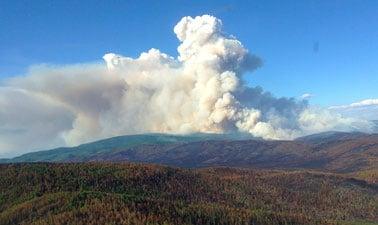
Learn how satellite imagery and the science of remote sensing allows us to detect wildfires, help manage their spread, and guide ecological restoration. Wildfires are a natural and essential part of our ecosystem, recycling soil nutrients and renewing healthy forests. In Alaska, around one million acres (4000 km2) burn every year, and record years have seen as many as six million acres burned. Most of these fires are allowed to spread naturally.

Self Paced
Self-Paced
Interpreting Vernacular Architecture in Asia (edX) EdX
University of Hong Kong,HKUx

Interpreting Vernacular Architecture in Asia (edX)

Discover the value of local peoples' traditional built environments in Asia, find inspiration in these buildings, and learn how to conserve them for future generations. This course is about architecture. But it’s not about grand structures such as monuments or royal palaces. Rather, it is about the built environment that the ordinary people live in. Instead of the architectural techniques, we use stories to understand the processes through which people make their building decisions.

Self Paced
Self-Paced