EdX

Interpreting Vernacular Architecture in Asia (edX)

Interpreting Vernacular Architecture in Asia (edX)

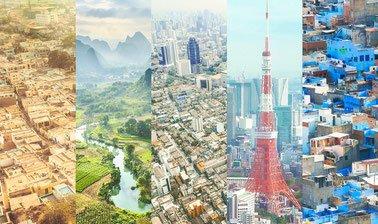
Discover the value of local peoples' traditional built environments in Asia, find inspiration in these buildings, and learn how to conserve them for future generations. This course is about architecture. But it’s not about grand structures such as monuments or royal palaces. Rather, it is about the built environment that the ordinary people live in. Instead of the architectural techniques, we use stories to understand the processes through which people make their building decisions.

Class Deals by MOOC List - Click here and see EdX's Active Discounts, Deals, and Promo Codes.

We use Asia as the backdrop for the discussion of these topics. Partly because of Asia’s rich heritage and diversity, but also due to the unique complexity that the people in the region face as they go through rapid economic, social, and cultural changes.

In this examination of the connection between vernacular buildings and peoples' cultural identities, we will review real-world examples and talk to experts in the field. At the end of this course, you will gain a unique perspective about the everyday environment that you live in - one perhaps that you’ve never had before. You will begin to understand and appreciate the value of the ordinary built environment around you.
Whether you are an avid architect or you simply just care about the built environment you live in, this course is for you.

What you'll learn
Throughout the course, we will examine a wide range of topics, such as:

  • what is vernacular architecture
  • how climate and the availability of building materials influence building decisions

-vernacular architecture in rural and urban settings
-cultural sustainability and the conservation of the vernacular built environment.

Syllabus

Week 1: Interpreting the Vernacular
A relatively new field of study, vernacular architecture does not yet have a commonly-agreed definition. This first week we examine several definitions of vernacular architecture and discuss why the topic is especially pertinent in the context of Asia. Alongside the expert discussions and examples, we further discuss the notion that culture is a form of tradition and connect it with Asia’s vernacular architecture.

Week 2: Climate, Building Materials, and the Vernacular
Vernacular buildings are local and very much influenced by local factors, two of which are climate and local building materials. This week we study how the eight major climatic belts influence people’s building decisions. We also look at how people make use of locally available materials, and how construction methods and building rituals are passed from one generation to the next.

Week 3: Vernacular Landscapes and the Rural Built Environment
This week we talk about the vernacular landscape. We define what it is, the meaning of it, and through the lens of the rural vernacular environment, we appreciate the seemingly un-self-conscious process of building that is indeed timeless.

Week 4: The Urban Vernacular
This week we focus on cities, or the urban vernacular. We discuss the process through which the urban vernacular is built, we also delve deep into topics such as sense of place, types of urban vernacular buildings, and how the urban vernacular evolves over time.

Week 5: Informal Settlements
Have you ever paid any attention to the slum areas in cities? Why do they exist? Are they of any significance or vernacular value to people and society? Termed informal settlements, we look at these built environments in cities through economic, cultural, and social lenses, and connect this unique type of urban vernacular with the future of cities.

Week 6: Sustainable Conservation and the future of Asia’s Vernacular Architecture
In this concluding week, we differentiate conservation from preservation and discuss the challenges and approaches to conservation of Asia’s vernacular built environment. We also discuss the future of vernacular architecture in Asia by contrasting tradition and modernity, and by asking the question of how they can coexist. We argue that the best way to ensure the continuation of the built heritage in Asia is to view vernacular architecture as a living tradition that evolves with time but without losing its cultural value.

Go to Class
MOOC List is learner-supported. When you buy through links on our site, we may earn an affiliate commission.

Related Courses

Sustainability in Architecture: An Interdisciplinary Introduction (edX) EdX
Universitat Politècnica de València,UPValenciaX

Sustainability in Architecture: An Interdisciplinary Introduction (edX)

This course introduces the basic elements and trends that define sustainability practices in Architecture today. It follows an interdisciplinary approach that includes performance assessment and urban policies. This course offers an interdisciplinary approach to sustainability in Architecture. Learners will be introduced to the basic elements of sustainability assessments (first model layer), as well as trends informing the space today.

Self Paced
Self-Paced
Models in Architecture – design through physical & digital models (edX) EdX
Delft University of Technology,DelftX

Models in Architecture – design through physical & digital models (edX)

Learn to develop your architectural designs by using scale models as well as Virtual Reality representations. Physical and digital design skills are key to practitioners in art, design, and engineering, as well as many other creative professions. Models are essential in architecture. In design practice all kinds of physical scale models and digital models are used side by side.

No sessions available
5-12 Weeks
Software Architecture (Coursera) Coursera
University of Alberta

Software Architecture (Coursera)

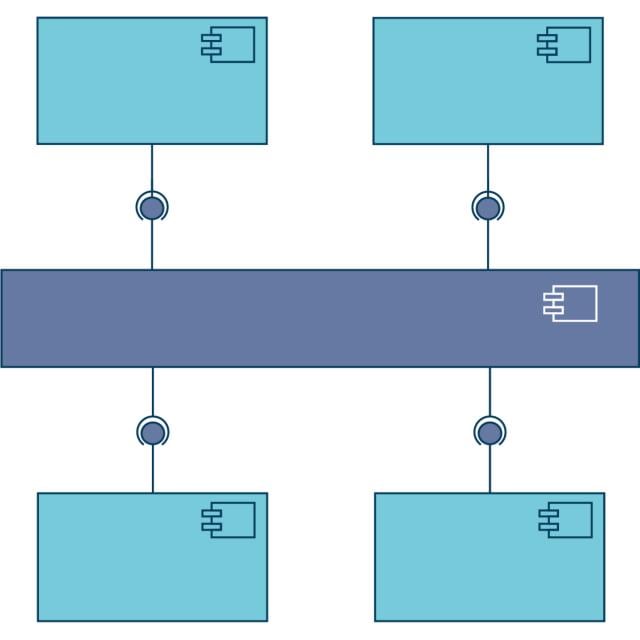
The way that software components — subroutines, classes, functions, etc. — are arranged, and the interactions between them, is called architecture. In this course you will study the ways these architectures are represented, both in UML and other visual tools. We will introduce the most common architectures, their qualities, and tradeoffs. We will talk about how architectures are evaluated, what makes a good architecture, and an architecture can be improved. We'll also talk about how the architecture touches on the process of software development.

Jun 1st 2026
4 Weeks
Railway History: The Rise of the Railway Station (FutureLearn) FutureLearn
University of Strathclyde

Railway History: The Rise of the Railway Station (FutureLearn)

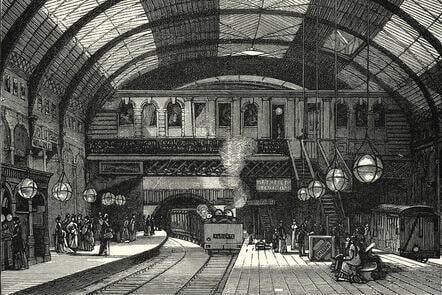
Gain a unique insight into British history as you explore the heritage and uses of railway stations from the 19th century to now. Go behind the scenes of York Railway Museum with the University of Strathclyde. Railway stations are an integral part of British history, helping to shape the economy and Britain’s built environment. On this four-week course, you’ll discover the heritage of railway stations and their significance in British history and culture.

May 1st 2023
4 Weeks
Autodesk Certified Professional: Revit for Structural Design Exam Prep (Coursera) Coursera
Autodesk

Autodesk Certified Professional: Revit for Structural Design Exam Prep (Coursera)

Prove to potential employers that you’re up to the task by becoming an Autodesk Certified Professional. This online course from Autodesk® introduces you to the advanced features of Revit™ for Structure, a tool to support Building Information Modeling and delivery of 3D digital models and related documentation. The course prepares you by offering an overview of skills that match what is covered on the Autodesk Certified Professional: Revit for Structural Design exam.

Jun 24th 2024
2 Weeks
Four Facets of Contemporary Japanese Architecture: Theory (edX) EdX
The University of Tokyo,UTokyoX

Four Facets of Contemporary Japanese Architecture: Theory (edX)

Learn the history, ideas and concepts behind contemporary Japanese architecture through four architectural facets and five generations of architects. This series will explore four facets of contemporary Japanese architecture; theory, technology, city, and humans. It will also span five generations of architects since Kenzo Tange. Through lectures by instructors and discussions with the most influential Japanese architects, the course will trace the development of contemporary Japanese architecture and will consider its future direction.

Self Paced
Self-Paced
Age of Cathedrals (Coursera) Coursera
Yale University

Age of Cathedrals (Coursera)

An introduction to some of the most astonishing architectural monuments the world has ever known—Gothic cathedrals. We shall study the art, literature, intellectual life, economics, and new social arrangements that arose in the shadow of the cathedrals and that were such an important part of the revival of cities in the twelfth and thirteenth centuries. The goal of the course is a better appreciation of the High Middle Ages, a world that is still recognizably our own.

Jun 8th 2026
5-12 Weeks
Service-Oriented Architecture (Coursera) Coursera
University of Alberta

Service-Oriented Architecture (Coursera)

Based on an understanding of architectural styles, you will review architectures for web applications, then explore the basics of Service-Oriented Architecture (SOA) in two approaches: Web Services (WS*) and Representational State Transfer (REST) architecture. In the Capstone Project you will connect a Java-based Android application with Elasticsearch, a web service with a REST application programmer interface (API).

Jun 1st 2026
4 Weeks
The Architectural Imagination (edX) EdX
HarvardX,Harvard University

The Architectural Imagination (edX)

Learn fundamental principles of architecture — as an academic subject or a professional career — by studying some of history’s most important buildings. Architecture engages a culture’s deepest social values and expresses them in material, aesthetic form. This course will teach you how to understand architecture as both cultural expression and technical achievement. Vivid analyses of exemplary buildings, and hands-on exercises in drawing and modeling, will bring you closer to the work of architects and historians.

Self Paced
Self-Paced