Construction aspects of Steel Buildings (Coursera)

Offered by L&T EduTech,
Construction aspects of Steel Buildings (Coursera)

The Construction Aspects of Steel Buildings course offers comprehensive insights into key construction components. It begins with detailed exploration of shear, moment, and splice connections, providing practical examples. Participants learn about industrial building types, structural framing, roofing, and wall materials, alongside load evaluation.

Class Deals by MOOC List - Click here and see Coursera's Active Discounts, Deals, and Promo Codes.

Special structural elements like plate and gantry girders are covered, with focus on modeling, analysis, and design checks. Laced and battened columns are detailed. Structural drawing planning, fabrication, transportation, and erection planning are addressed, emphasizing inspections and adherence to good practices. Participants gain a holistic understanding of steel building construction, ensuring successful project implementation.
This course is part of the Steel Multi Storey Building - System Design Specialization.

What you'll learn

  • Analyze steel building construction methods and practices to solve encountered problems.
  • Design various connection types & comprehending industrial building functionalities, structural framing, and load evaluation.
  • Plan steel buildings: design, structural drawings, fabrication, logistics, erection, inspections for quality construction.

Syllabus

Design and Detailing of Bolted and Welded Connections
This module covers the design and detailing of bolted and welded connections in steel buildings. It explores shear, moment, and splice connections, discussing the design actions for these connections. and practical examples of connections in a building, detailing the design process for beam-to-beam, beam-to-column, column splice, and beam splice connections.

Design of Industrial Buildings
This module focuses on the design of industrial buildings, covering diffferent types based on functionality, various structural framing, roofing, wall materials, and load evaluation in industrial buildings. It includes considerations for cranes, mezzanine floors, and the design of plate girders and gantry girders. The content addresses the structural model, analysis, design checks, and specific design aspects such as laced and battened columns in the context of industrial building structures.

Drawings, Fabrication, Erection and Inspection Methods
This module covers the planning of structural drawings, fabrication procedures and transportation considerations in structural steel construction. It addresses erection planning and drawings, the actual erection process, inspections, and emphasizes good design, detailing, and construction practices. The module concludes with a design summary of the example building covered in the whole course to reinforce key concepts in the design of a steel building.


Go to Class
MOOC List is learner-supported. When you buy through links on our site, we may earn an affiliate commission.

Related Courses

Operations Systems Excellence (Coursera) Coursera
University of London

Operations Systems Excellence (Coursera)

The sole task of organisations is to either deliver customers the services that they require, or design, manufacture, and deliver products that customers are after. How do firms and organisations manage the very tasks that they carry out? How can operations themselves give excellence to organisations to enable them to be competitive? Operations management is concerned with the design, planning and control of operating systems for the provision of goods and services. This course will provide an introduction not only into the development of operational systems but more importantly into the how operating methods can help achieve corporate excellence.

Sep 14th 2026
3 Weeks
Ergonomics in Design (edX) EdX
The Hong Kong University of Science and Technology - HKUST,HKUSTx

Ergonomics in Design (edX)

The course is designed to provide a basic understanding of ergonomics in design through the introduction of human anatomy, anthropometry, and modeling techniques with the aim of improving safety, productivity, comfort and health of people. Ergonomics is the application of scientific information about people in order to design products and systems so that they are safe, productive, comfortable and healthy for people to use.

Self Paced
Self-Paced
Circular Economy for a Sustainable Built Environment (edX) EdX
Delft University of Technology,DelftX

Circular Economy for a Sustainable Built Environment (edX)

Learn how the principles of the Circular Economy can be applied to the built environment ranging from products and buildings to metropolitan and regional development strategies. In this course you will become familiar with circularity as a systemic, multi-disciplinary approach, concerned with the different scale, from material to product, building, city, and region.

Self Paced
Self-Paced
Open Design (Coursera) Coursera
Duke University

Open Design (Coursera)

What is design? How is it a deeply human endeavor? How can we design better products, services, and experiences in our communities? If you’re interested in helping create a more equitable and accessible world, this Center for Computational Thinking module on Open Design is for you.

Sep 14th 2026
1 Week
Designing an SAP Solution (Coursera) Coursera
SAP

Designing an SAP Solution (Coursera)

Designing an SAP Solution is the fourth course in the SAP Technology Consultant Professional Certificate program. The course dives into the SAP Implementation lifecycle so you can immerse yourself in the key phases, including design, pitch, and re-design. You’ll work with SAP Activate methodology and look at how to identify business requirements to determine system and data requirements. You’ll learn how to interrogate the gaps between SAP technical capabilities within Business Technology Platform and the customer’s existing environment.

Sep 14th 2026
5-12 Weeks
Diseño de Experiencia en Servicios (Coursera) Coursera
Universidad Austral

Diseño de Experiencia en Servicios (Coursera)

En la era de la comunicación, no siempre los servicios saben escuchar las necesidades profundas del cliente, ni tampoco es habitual que se innoven poniendo al cliente en el centro del proceso. ¿Qué técnicas de investigación de usuarios pueden ayudarte a mejorar un servicio? ¿Cómo entender a los usuarios y lo que buscan, y diseñar servicios que pongan sus necesidades como punto de partida? ¿Cómo lograr, a través de este diseño, que quieran crear una relación a largo plazo con la empresa?

Sep 14th 2026
4 Weeks
Design of Transmission Line: Modelling and Performance (Coursera) Coursera
L&T EduTech

Design of Transmission Line: Modelling and Performance (Coursera)

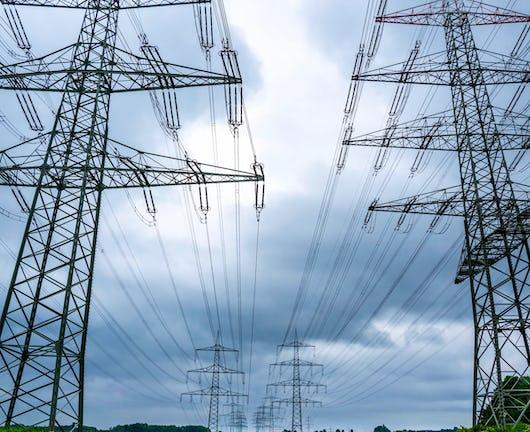
This course is designed to provide a detailed exploration of the critical elements involved in transmission lines' design, modeling, and performance assessment. By enrolling in this course, participants will not only gain theoretical knowledge but also practical skills that are directly applicable in the field of transmission line engineering. Whether you're a student aspiring to enter the industry or a professional seeking to deepen your expertise, this course offers a unique blend of theoretical insights and hands-on applications, equipping you with the tools to excel in this dynamic field.

Oct 5th 2026
3 Weeks
Cree Increíbles Diseños de Mercadeo usando Canva (Coursera) Coursera
Coursera Project Network

Cree Increíbles Diseños de Mercadeo usando Canva (Coursera)

Al final del Proyecto usted podrá crear un gráfico/diseño de ejemplo/muestra de redes sociales para empresas. El gráfico se puede compartir en las plataformas de redes sociales de su empresa. Podrá incorporar la paleta de colores de su guía de estilo empresarial para crear el reconocimiento de la marca como parte de su estrategia de mercadeo en redes sociales.

Sep 14th 2026
Self-Paced
Planning of Metro Rail Systems (Coursera) Coursera
L&T EduTech

Planning of Metro Rail Systems (Coursera)

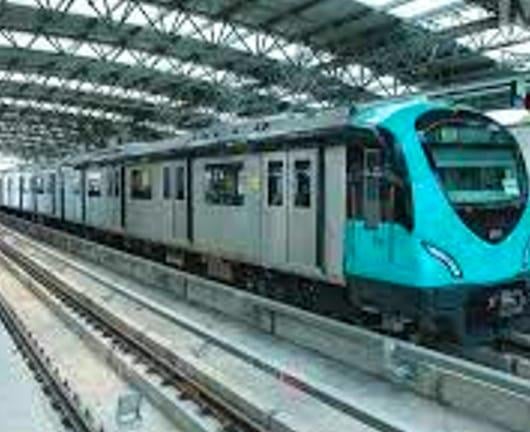
This course has been created for Civil and Transportation Engineers. The "Planning of Metros " course is intended for entry level graduates, those who want to comprehend and navigate the concepts in planning of Metro rail systems. Throughout this course, participants will learn about the fundamental principles of Metro Rail planning in six modules. Tailored by industrial experts, this course is for the consumption of entry level Engineers in the Indian Subcontinent.

Sep 21st 2026
5-12 Weeks