Identifying Food Fraud (FutureLearn)

Identifying Food Fraud (FutureLearn)

An introduction to modern analytical science techniques and how they can be used to uncover food fraud. The food industry is one of the most important commercial sectors in the world. Everyone uses it, but how many people abuse it? As we witness the increasing globalisation of the supply chain, a growing challenge is verifying the questionable identity of raw materials in the food we eat.

Class Deals by MOOC List - Click here and see FutureLearn's Active Discounts, Deals, and Promo Codes.

In this course we will look at topical issues concerning ‘food fraud’ and explore ways in which analytical chemistry can help in its identification and prevention. We’ll share fascinating examples, such as the history of white bread and a surprising ingredient once found in bitter beer.
The University of East Anglia has joined forces with the world-renowned Institute of Food Research (IFR) to bring you this unique course. You’ll be led by Kate Kemsley, a specialist in the use of advanced instrumentation for measuring the chemical composition of food materials. Course content is linked with UEA’s MChem postgraduate programme, which supports final-year students’ practical research projects in this area of science.

Where could this course take me?
If you are planning to study Chemistry at college or university - this course will give you an essential overview of some instrumental techniques that you are likely to encounter. This includes exploration of infrared technology, NMR and mass spectrometry; important areas of Chemistry for A-Level students to grasp.
This course is also designed to support the professional development of those currently working in the food industry, who want to delve deeper into the methods analytical chemists take in the measurements of food materials and ingredients. It will act as the perfect refresher for your current knowledge base, as you can interact online with thousands of individuals working in the food sector today.

What and how will I learn?
You’ll acquire knowledge and understanding of infrared technology, NMR and mass spectrometry with practical examples linked to current standards and issues in the food sector. You will gain a global perspective of the value of chemistry in this area and learn from analytical chemists in action.
By enjoying a balance of theory and practical applications, students learn directly from academics at the University of East Anglia and scientists from the Institute of Food Research, with a brilliant chance to network throughout the duration of the course.

What topics will you cover?

  • Introduction to methods of food fraud detection
  • Infra-red detection of fraud in coffee
  • Verifying the origins of honey using stable isotopes
  • Nuclear Magnetic Resonance spectroscopy and the horsemeat scandal

Learning on this course
You can take this self-guided course and learn at your own pace. On every step of the course you can meet other learners, share your ideas and join in with active discussions in the comments.

What will you achieve?
By the end of the course, you'll be able to...

  • Demonstrate a knowledge of the general issues with food fraud.
  • Apply a knowledge of the scientific techniques for detecting fraud in the scenarios in the course.
  • Identify how food fraud might impact on consumers and producers of foods.
  • Reflect on the social and economic impacts of food fraud.

Who is the course for?
No formal qualifications, just an interest in food fraud and a basic understanding of chemistry.


Go to Class
MOOC List is learner-supported. When you buy through links on our site, we may earn an affiliate commission.

Related Courses

Kitchen chemistry: Chemistry without a laboratory (FutureLearn) FutureLearn
University of East Anglia

Kitchen chemistry: Chemistry without a laboratory (FutureLearn)

Use your kitchen as a laboratory to learn about chemistry using everyday chemicals. The Kitchen Chemistry course is designed to explore some of the principles of chemistry. You will be encouraged to carry out your own experiments using materials that are often found in the home. If not they can be obtained from most supermarkets, pharmacies or hardware stores.

No sessions available
5-12 Weeks
Consumer and Environmental Safety: Food Packaging and Kitchenware (FutureLearn) FutureLearn
EIT Food,EIT,University of Turin

Consumer and Environmental Safety: Food Packaging and Kitchenware (FutureLearn)

Discover the importance of kitchenware and packaging that is safe for people and the environment alike. Food safety is highly regulated. Yet, one blind spot is the migration of molecules from contact materials in kitchenware into food. Particular attention needs to be placed on chemicals present at low doses but acting on the endocrine system over a long time. On this course, you’ll learn about these endocrine disrupters and their potential impact on human health and the environment.

Jan 2nd 2023
5-12 Weeks
Edible Insects (Coursera) Coursera
National Taiwan University

Edible Insects (Coursera)

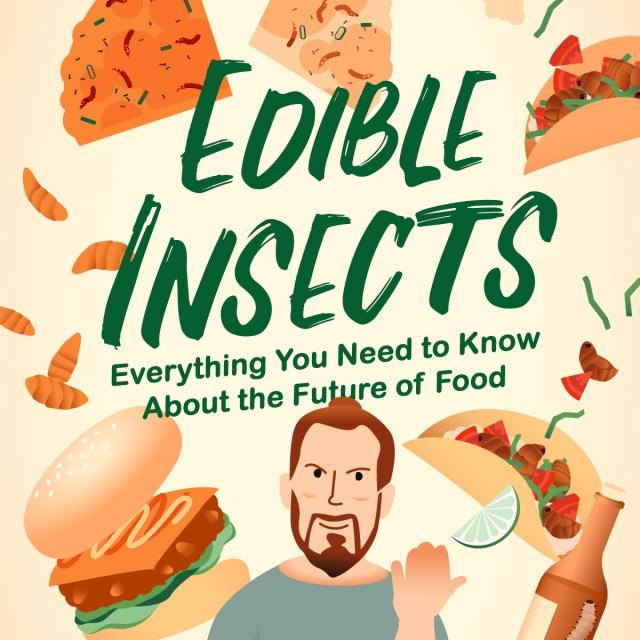
This English language course covers the science and sociology of insects as food and feed. Increasing media, investment, and public policy attention has been given over the years to the role insects may play in the future of food. Can eating insects really save the world from famine and environmental destruction? Are there health costs or benefits to adding insects to the diet? Will all people accept insects as food? Can we feed them to livestock? Should we be promoting edible insects at all, and if so, how best do we do it? What species will we eat and how shall we raise them?

Oct 12th 2026
4 Weeks
Food Ethics (Coursera) Coursera
Princeton University

Food Ethics (Coursera)

We are what we eat--morally as well as molecularly. So how should concerns about animals, workers, the environment, and community inform our food choices? Can we develop viable foodways for growing populations while respecting race, ethnic, and religious differences? What does food justice look like in a global industrial food system where there are massive differences in resources, education, and food security?

Oct 12th 2026
5-12 Weeks
How Food is Made. Understanding Food Processing Technologies (FutureLearn) FutureLearn
EIT Food,EIT,DIL

How Food is Made. Understanding Food Processing Technologies (FutureLearn)

Have you ever wondered how your food is processed before it reaches your plate? Find out with this online course. Learn more about processing technologies and the foods that are affected. Food processing isn’t a new concept, however, many people might not understand how and why it happens. On this course, you will improve your knowledge of food processing technologies and build confidence in the processed foods on the market.

Jan 2nd 2023
4 Weeks
Citizen Science: From Soil to Sky (FutureLearn) FutureLearn
University of Dundee,Grow Observatory

Citizen Science: From Soil to Sky (FutureLearn)

Learn how to understand your soil and explore global environmental soil issues by becoming a citizen scientist. Where can you find all sorts of useful and important information about your environment? You might be surprised to know it’s beneath your feet, in the soil. On this course you will discover interesting things about your own soil and become part of the new GROW Citizen Observatory European-wide community.

No sessions available
3 Weeks
Improving Food Production with Agricultural Technology and Plant Biotechnology (FutureLearn) FutureLearn
University of Cambridge,EIT Food,EIT

Improving Food Production with Agricultural Technology and Plant Biotechnology (FutureLearn)

Build your knowledge of food production challenges and technology with this online course for 16-19 year olds studying biology. Learn how to address challenges in growing, harvesting, and processing food. Are you inspired to join the next generation of scientists and tackle challenges in food security? On this course, you will get access to innovative research solutions that address some of the biggest issues in food, agriculture, and plant biotechnology.

Jan 2nd 2023
3 Weeks
Understanding Food Labels (FutureLearn) FutureLearn
University of Reading,EIT Food,EIT

Understanding Food Labels (FutureLearn)

Learn how to interpret food labels so you can make informed food choices and buy food that supports your health and wellbeing. Get the facts you need to put your trust in the food system. Huge amounts of information are provided on food product labels, but surveys have shown that we’re often unsure of its meaning. On this course, you’ll learn how to make sense of the regulations, data, and logos on packaging so that you can make more informed food choices.

Jan 2nd 2023
3 Weeks
Food Technology, Health and Safety (FutureLearn) FutureLearn
Taipei Medical University

Food Technology, Health and Safety (FutureLearn)

Address important food safety concerns including food fraud and allergies, additives, microorganisms, and heavy metals. Learn how to detect food fraud and food allergies. On this four-week course from Taipei Medical University, you’ll discuss global food safety concerns, exploring the effects of different foods, toxins, and additives on the human body.

Self Paced
4 Weeks
Intellectual Property Management in the Food Sector: Safeguarding Your Trademarks in the Global Marketplace (FutureLearn) FutureLearn
EIT Food,University of Warsaw,EIT

Intellectual Property Management in the Food Sector: Safeguarding Your Trademarks in the Global Marketplace (FutureLearn)

Intellectual property is your company’s lifeblood. Learn what you need to do to safeguard it. Discover how to manage intellectual property in the food industry. Your company’s Intellectual Property (‘IP’) is one of your greatest assets, providing a powerful competitive advantage in the global marketplace. On this course, you’ll find out how to manage and safeguard your company’s IP. You’ll learn how to evaluate expected sources of problems, use patents and trademarks, and navigate the world of start-ups and SMEs.

Jan 2nd 2023
4 Weeks
Introduction to Sustainable Practices in Food Service (FutureLearn) FutureLearn
International Culinary Studio

Introduction to Sustainable Practices in Food Service (FutureLearn)

Create a more sustainable food service business and make a difference to your bottom line, your stakeholders, and the environment. Improve your sustainable practices within your organisation. Sustainability isn’t just about ‘greening’; sustainability actually means ‘meeting the needs of the present without compromising the ability of future generations to meet their needs.’ On this course, you’ll look at general global sustainability concepts, issues, and concerns, before focusing on sustainability specifically within food service and what you can do to reduce your impact.

Self Paced
2 Weeks
Feeding the World (Coursera) Coursera
University of Pennsylvania

Feeding the World (Coursera)

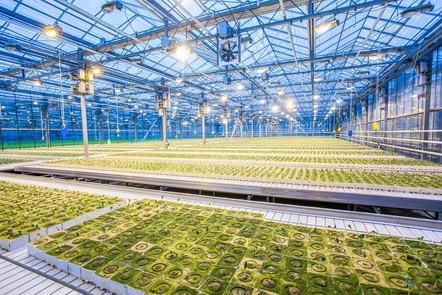
This course will explore the concepts driving current food production science (population growth, urbanization, emerging affluence, resource constraints, and underlying biological limits) with the main focus on livestock production. Each of the major food animal species (dairy, swine, beef, and poultry) will be covered in terms of their universal life cycles, constraints to production and emerging societal issues.

Oct 12th 2026
5-12 Weeks