Cultural and Literary Expression in the 18th and 19th Centuries (saylor.org)

Offered by Saylor.org,
Cultural and Literary Expression in the 18th and 19th Centuries (saylor.org)

In this course, we will examine these formative cultural and literary developments chronologically, dividing the syllabus into four (roughly sequential) periods: The Enlightenment and Restoration Literature; The Rise of the Novel; Romanticism; and the Victorian Period.

Scholars tend to label the period between the Renaissance and the Modern Era the “long” 18th and 19th centuries, meaning that they span from around 1680-1830 and 1775-1910, respectively, and that so many literary movements and cultural changes took place during these interim years, a narrower title is difficult to come by. In this course, we will examine these formative cultural and literary developments chronologically, dividing the syllabus into four (roughly sequential) periods: The Enlightenment and Restoration Literature; The Rise of the Novel; Romanticism; and the Victorian Period. We will identify and contextualize the principal characteristics of each of these movements/developments, reading representative texts and examining their relationship to those texts that preceded or were contemporaneous with them.

Upon completion of this course, students will be able to:

Identify the major literary trends of the 18th and 19th century, from Restoration comedy and satires through Victorian poetry and prose
Outline the major developments in philosophical thought during the Enlightenment and identify these strains of thought in works like Voltarie’s Candide
Identify the factors that led to the rise of the novel as a literary form
Identify the specific traits that characterize early sentimental, Gothic, and picaresque novels
Describe the political factors that led to the popularity of Romanticis;
Describe the shift in thought that led to the split between Romanticism and Enlightenment
Identify the themes, conventions, and tropes of Romantic poetry
Define and explain the significance of the term/concept of “the Romantic imagination”
Define the political, social, and economic factors that led to the surge in popular Victorian fiction
Explain the significance of poetic experimentation in the 19th century works of writers like Tennyson, Hopkins, and Browning

Go to Class
MOOC List is learner-supported. When you buy through links on our site, we may earn an affiliate commission.

Related Courses

English Romantic Poetry (saylor.org) Saylor Academy
Saylor.org

English Romantic Poetry (saylor.org)

The Romantic Period in England took place during the “age of revolutions,” a span of time that saw not only the rapid industrialization of Europe but two significant national revolutions—one in France, and one in America. This revolutionary spirit in many ways fed and sustained the Romantic movement in English literature; its chief practitioners believed that poetry could literally transform the world and the way in which we understand it.

Legacy Course
Self-Paced
Introduction to Literary Studies (saylor.org) Saylor Academy
Saylor.org

Introduction to Literary Studies (saylor.org)

This course will introduce you to the history and practice of English as a scholarly discipline with the goal of preparing you for your future endeavors as an English major. It has been designed to familiarize you with the various tools that scholars have devised in order to facilitate the study of literary expression in English, from critical frameworks to close reading techniques.

Legacy Course
Self-Paced
Getting Started with Essay Writing (Coursera) Coursera
University of California, Irvine

Getting Started with Essay Writing (Coursera)

Course 2: Getting Started with Essay Writing. This is the second course in the Academic English: Writing specialization. By introducing you to three types of academic essays, this course will especially help prepare you for work in college classes, but anyone who wants to improve his or her writing skills can benefit from this course.

Aug 10th 2026
5-12 Weeks
Historia del Arte: Del Barroco al Arte Posmoderno (Coursera) Coursera
Universidad de Palermo

Historia del Arte: Del Barroco al Arte Posmoderno (Coursera)

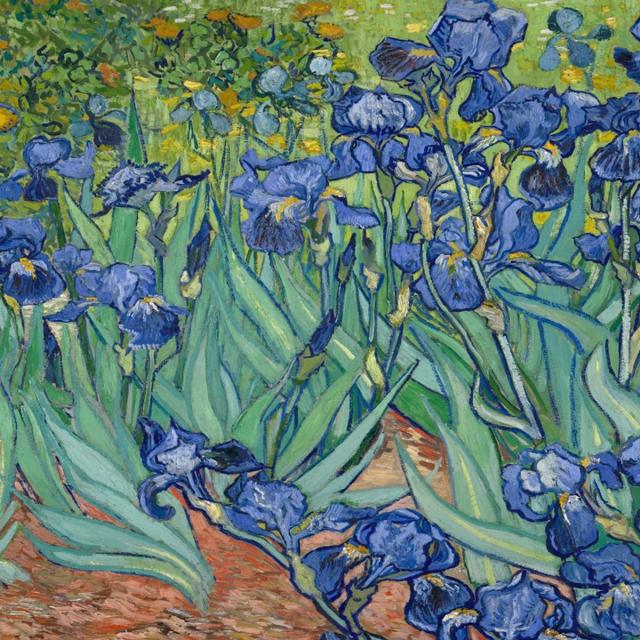
El arte deriva de un deseo de la persona para comunicarse con otros” (Edvard Munch). Y es desde la prehistoria que el humano ha dejado impresas sus huellas a través del arte. ¿Qué características tienen esas huellas artísticas? ¿Qué nos comunican sobre el periodo de tiempo al que pertenecen? Sumergite en la historia del arte recorriendo este curso, partiendo desde la construcción del Arte Moderno y realizando un camino por los diferentes sistemas de representación dominantes de distintos períodos hasta llegar a la Muerte del Arte.

Aug 10th 2026
4 Weeks
Remote Sensing of Wildfires (edX) EdX
University of Alaska Fairbanks,AlaskaX

Remote Sensing of Wildfires (edX)

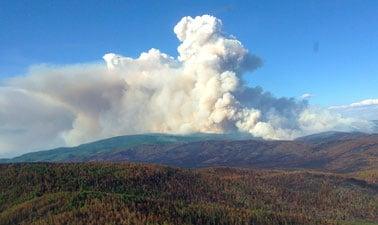
Learn how satellite imagery and the science of remote sensing allows us to detect wildfires, help manage their spread, and guide ecological restoration. Wildfires are a natural and essential part of our ecosystem, recycling soil nutrients and renewing healthy forests. In Alaska, around one million acres (4000 km2) burn every year, and record years have seen as many as six million acres burned. Most of these fires are allowed to spread naturally.

Self Paced
Self-Paced
Integrating Newly Arrived Migrant Students in Schools (SchoolEducationGateway) SchoolEducationGateway
Teacher Academy

Integrating Newly Arrived Migrant Students in Schools (SchoolEducationGateway)

The course will explore the practicalities of integrating newly arrived migrant students in a school community and will look at how teachers can work at a very practical level with such students in their classrooms. The course will continue the work started by participants in course 2 of building a support infrastructure that can assist them beyond the course with guidance and resources.

No sessions available
3 Weeks
The Living Picture Craze: An Introduction to Victorian Film (FutureLearn) FutureLearn
The British Film Institute - BFI

The Living Picture Craze: An Introduction to Victorian Film (FutureLearn)

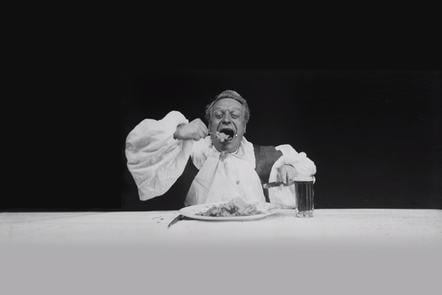
Film takes a starring role in this course exploring the emergence of a new medium that was set to capture the world's imagination. Explore the birth of film and the end of Queen Victoria’s epic reign. Roll up! Roll up! Take your seats for the ‘Living Picture’ craze! In this course we journey back to the end of the Victorian era; a time of intense modernisation and unprecedented change.

Self Paced
3 Weeks
James Joyce (saylor.org) Saylor Academy
Saylor.org

James Joyce (saylor.org)

Many consider James Joyce the most influential author of the 20th century. His innovations in narrative strategy in particular continue to shape and inspire literature today. In this course, we will examine Joyce’s aesthetic and artistic sensibilities through close readings of the major works in his oeuvre, placing special emphasis on Ulysses, whose expansive length and nearly infinite depths has sustained scholarship for decades.

Legacy Course
Self-Paced