Progettare l'Innovazione Didattica (POK)

Offered by Politecnico di Milano,
Progettare l'Innovazione Didattica (POK)

La Cultura del progetto a servizio dell’Innovazione Didattica. Da dove cominciare per innovare la propria didattica? Ma, prima ancora, cosa significa fare innovazione in aula? Progettare l’innovazione didattica si propone di mettere la cultura del progetto a servizio dell’innovazione didattica, supportando chi non ha uno specifico background pedagogico e desidera appropriarsi degli strumenti di base della buona progettazione didattica per poi proseguire nell’esplorazione delle frontiere dell’innovazione.

Un insieme di strumenti logici e metodologici per innovare la didattica, trovando gli approcci più in sintonia con la propria visione dell’esperienza di insegnamento-apprendimento.

RISULTATI DI APPRENDIMENTO ATTESI (RAA)
Se parteciperai attivamente a questo corso, al termine sarai in grado di:

  • utilizzare strumenti teorico-metodologici di base (quali il Constructive Alignment e la Rete dell’Apprendimento) per potenziare la coerenza didattica tra obiettivi di apprendimento, metodi di valutazione ed esperienza di apprendimento nei propri insegnamenti;
  • applicare alcuni modelli pedagogici del filone “active learning” alla progettazione di singoli moduli didattici o a un intero insegnamento;
  • valutare vantaggi e svantaggi, nell’ambito dei propri insegnamenti, dei tradizionali approcci valutativi rispetto alle nuove strategie per la valutazione, in particolare quelle orientate alla valutazione formativa;
  • applicare semplici strategie per la gestione della classe attiva in aule di piccole, medie e grandi dimensioni;
  • progettare e realizzare materiali didattici di qualità anche valorizzando la disponibilità di “Open Educational Resources”.

Il MOOC è organizzato in 6 weeks che ti propongono un percorso di esplorazione di diverse tematiche legate alla progettazione dell’innovazione didattica.

Nello specifico, partendo dalla prima week “Perché fare innovazione didattica” rifletteremo sul concetto di innovazione didattica, provando a trovare una risposta alla domanda: “perché potremmo avere bisogno di innovare la nostra didattica?”.

Nella seconda week approfondiremo il tema dei Risultati di Apprendimento Attesi (RAA) e del loro ruolo chiave come guida del processo di progettazione didattica. Partiremo dalla proposta del Constructive Alignment per poi analizzare i Descrittori di Dublino e le Tassonomie di Bloom come spunti utili per un’ideazione più ricca dei Risultati di Apprendimento Attesi.

Nella terza week analizzeremo il ruolo della Valutazione nel processo di apprendimento, provando ad applicarne i principi chiave nella progettazione didattica.

Nella quarta week ragioneremo insieme sui Modelli Pedagogici e sul loro possibile utilizzo nell’ambito della progettazione dell’innovazione didattica.

Nella quinta e sesta week esploreremo la Rete dell’Apprendimento, strumento di progettazione didattica sviluppato da METID - Politecnico di Milano, che mette al centro dell’attenzione la dinamica di interazione tra i soggetti che generano l’esperienza di insegnamento-apprendimento e che ne fruiscono. Vedremo come questo strumento si rivela un utile supporto per il docente designer per il design dell’innovazione didattica.

Nello specifico nella quinta week ci focalizzeremo in particolare sull’uso della Rete dell’Apprendimento a partire dall’individuazione e dalla rappresentazione dei soggetti dell’esperienza di insegnamento-apprendimento e dalla definizione e descrizione delle attività didattiche per la classe attiva.

Nella sesta week, il focus sarà invece sulla progettazione dei contenuti, dei canali di comunicazione e delle strategie di integrazione del “mondo esterno” a supporto delle attività di insegnamento-apprendimento, nonché sul monitoraggio di esperienze innovative di insegnamento-apprendimento.
Go to Class
MOOC List is learner-supported. When you buy through links on our site, we may earn an affiliate commission.

Related Courses

Climate Change Mitigation in Developing Countries (Coursera) Coursera
University of Cape Town

Climate Change Mitigation in Developing Countries (Coursera)

This course challenges you to consider how one might lift societies out of poverty while also mitigating greenhouse gas emissions. We explore the inherent complexity of developing country governments wanting to grow their economies in a climate friendly way. You will be introduced to an approach with which to address this challenge. The approach consists of a facilitated process whereby academic researchers and high-level influential actors within society co-produce knowledge. You will track this process in four Latin American countries - Brazil, Chile, Colombia, Peru, and South Africa. You will hear from various professionals about their contexts and the different challenges and opportunities the process includes.

Dec 14th 2026
5-12 Weeks
Constructivism and Mathematics, Science, and Technology Education (Coursera) Coursera
University of Illinois at Urbana-Champaign

Constructivism and Mathematics, Science, and Technology Education (Coursera)

This course is designed to help participants examine the implications of constructivism for learning and teaching in science, mathematics, and technology focused areas. Course readings, discussions, and assignments will examine constructivist views of learning, research on students' ideas and idea-based interactions, research on instructional approaches taking student ideas into account, and challenges in implementing constructivist perspectives in instruction.

Dec 7th 2026
5-12 Weeks
Entrepreneurs without borders (POK) Polimi OPEN KNOWLEDGE
Politecnico di Milano

Entrepreneurs without borders (POK)

Introduction to new business development for young people from all over the world. Have you ever thought of starting your own business? Being a job creator instead of a job seeker? Would you like to gather the right people for improving life in your community? For developing and selling a new product or service? This course is addressed to people from anywhere in the world, particularly to students and young graduates who want to learn about new business development and to see if this is something for them. We welcome people from “developing countries”, as well as from industrialized economies.

Available
5-12 Weeks
Creative and Design Thinking: process and tools for innovation (POK) Polimi OPEN KNOWLEDGE
Politecnico di Milano

Creative and Design Thinking: process and tools for innovation (POK)

Would you like to be more creative and innovative? Through the course you will learn how to develop a creative mindset and apply a creative process useful to get innovative solutions in any field of application. This MOOC is your guide to the surprising, unpredictable and fascinating journey that leads to greater creativity. It is structured to train and empower creative thinking and design thinking for innovation on individual levels and in groups.

Available
5-12 Weeks
Tinkering Fundamentals: Motion and Mechanisms (Coursera) Coursera
Exploratorium

Tinkering Fundamentals: Motion and Mechanisms (Coursera)

The Tinkering Fundamentals course will offer educators and enthusiasts an opportunity to develop a practice of tinkering and making. We see tinkering as a serious endeavor—one that is generalizable across content and especially good at interweaving disciplines in a way that leads to complex projects and individualized learning opportunities.

Dec 7th 2026
5-12 Weeks
Educating Deaf Children: Becoming an Empowered Teacher (Coursera) Coursera
University of Cape Town

Educating Deaf Children: Becoming an Empowered Teacher (Coursera)

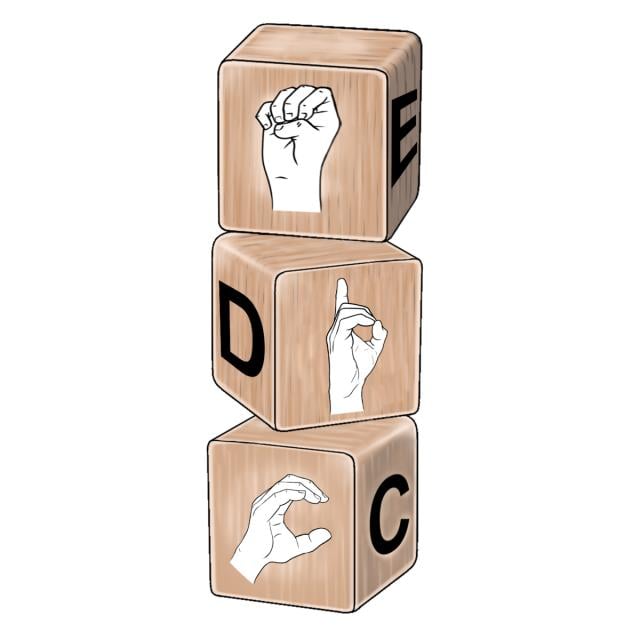
Many Deaf children around the world still leave school functionally illiterate. In some cases there is no allowance made for education of Deaf children at all. This 4 week course provides you with invaluable knowledge and skills about teaching Deaf children. You will learn about the importance of Deaf culture and community, the need for a language rich environment for the Deaf child from as young as possible, and that having access to sign language can help Deaf children academically, emotionally, and socially.

Dec 7th 2026
4 Weeks
Critical Issues in Urban Education (Coursera) Coursera
University of Chicago

Critical Issues in Urban Education (Coursera)

Urban school reform in the United States is characterized by contentious, politicized debate. This course explores a set of critical issues in the education and educational reform space, with a focus on aspects of the field that have sparked controversy and polarized views. We will dig into these debates, situating them within the larger history of public education and school reform, and considering the viewpoints, the evidence, and translation of issues into educational policy.

Dec 7th 2026
5-12 Weeks
Business Models for Innovative Care for Older People (Coursera) Coursera
University of Copenhagen,Copenhagen Business School

Business Models for Innovative Care for Older People (Coursera)

This course will introduce you to healthcare innovation within the field of healthy living and active aging. By following two specific cases on diabetes and rehabilitation, this interdisciplinary course will provide you with key theories, tools and concepts for analyzing and developing viable innovative solutions for aging populations. The lectures will cover demographic, biological, economic, social and cultural aspects of active aging and healthy living, along with lectures on current innovation theories and methods.

Dec 7th 2026
5-12 Weeks
Tinkering Fundamentals: Circuits (Coursera) Coursera
Exploratorium

Tinkering Fundamentals: Circuits (Coursera)

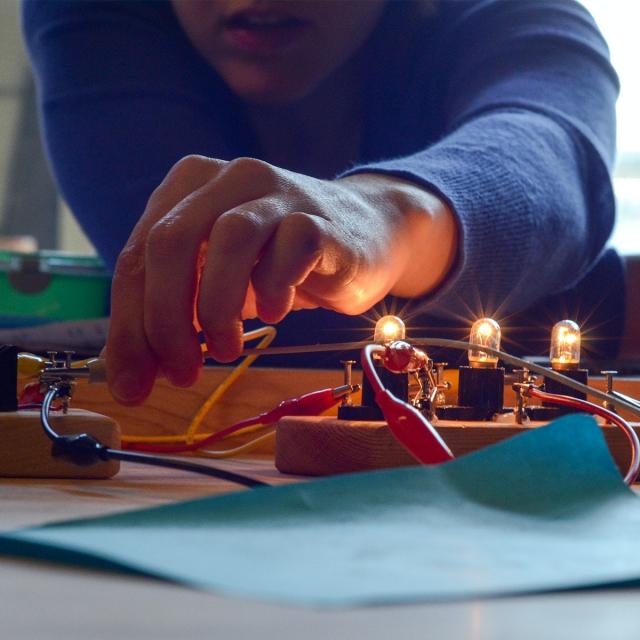
The Tinkering Fundamentals course will offer educators and enthusiasts an opportunity to develop a practice of tinkering and making. We see tinkering as a serious endeavor -- one that is generalizable across content and especially good at interweaving disciplines in a way that leads to complex projects and individualized learning opportunities.

Dec 14th 2026
5-12 Weeks
Valutare e giudicare nel Debate (POK) Polimi OPEN KNOWLEDGE
Politecnico di Milano

Valutare e giudicare nel Debate (POK)

Sei un docente che usa la metodologia del Debate con i propri studenti, un professionista che sta pensando di applicarla in ambiti extra-scolastici o un giudice di Debate che vuole approfondire alcuni aspetti di questo non semplice ruolo? Hai finora dibattuto e adesso ti piacerebbe anche giudicare i dibattiti? Ti sei già accorto dell’importanza e della complessità della valutazione nel Debate, oltre che delle difficoltà ad essa connesse? Se sei incuriosito dalle potenzialità di questo aspetto centrale e fondamentale per il Debate, questo corso fa per te.

Available
5-12 Weeks
The strange paradox of the world energy question (POK) Polimi OPEN KNOWLEDGE
Politecnico di Milano

The strange paradox of the world energy question (POK)

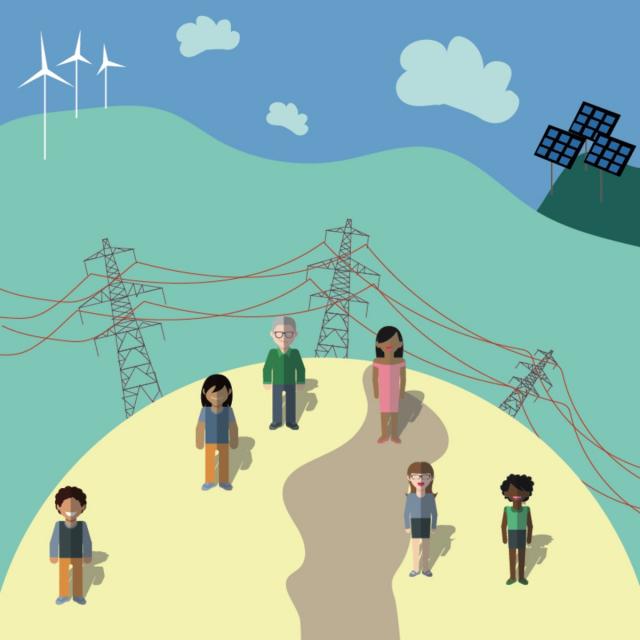
A multidimensional and systemic thinking about the world energy challenge. A continuous flow of energy crosses our whole life. The food we eat, the car we drive, lights that illuminate our cities or the radio that plays our favorite songs, are all manifestations of energy. Our biological life can be explained in terms of energy and even our emotions and feelings to a certain extent.

Available
4 Weeks