A Nutritional Approach to Agriculture and Food Security (FutureLearn)

Offered by University of Leeds,
A Nutritional Approach to Agriculture and Food Security (FutureLearn)

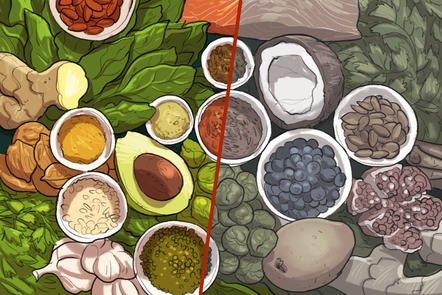
Develop skills to apply and evaluate innovative solutions that place nutrition at the heart of a sustainable food system. Modern agriculture and global food systems have become very complex and do not always provide people with affordable and nutritious food. This course presents current research, which aims to place nutrition at the heart of the food system.

Class Deals by MOOC List - Click here and see FutureLearn's Active Discounts, Deals, and Promo Codes.

With a focus on the Global South, you’ll learn about the components of the food system and their link to nutrition and acquire the skills to implement and evaluate nutrition-sensitive interventions.
Discover nutrition-sensitive food systems and develop nutrition skills
To uncover the benefits of nutrition-sensitive agriculture, you need to understand key concepts in agriculture, food and nutrition research and learn about the role of crops and livestock in a healthy and sustainable diet.
You’ll also acquire nutrition-specific skills used to evaluate food and diets and apply them in course activities. This will help you to design and assess nutrition-sensitive interventions. You’ll then examine research-led material on bio-fortification and other innovative food processing methods to understand how to diversify food production and improve the nutritional value of foods.
Discover how to place nutrition at the heart of the food system
As you conceptualise nutrition in relation to food systems, you’ll evaluate the consequences of nutrition-sensitive interventions and policies on socioeconomic and environmental aspects. You’ll also explore the role of different stakeholders and understand the crucial role of women in driving improvements in nutrition outcomes in households and communities.
Learn from the experts at the University of Leeds
This course is based on research led by experts in agriculture, nutrition and environmental sciences from the University of Leeds, the University of Pretoria and FARNPAN.

What topics will you cover?

Week 1: What is a nutrition sensitive food system?

  • Activity 1: Understanding nutrition sensitive agriculture in the context of sustainable development goals
  • Activity 2: The role of crops in a healthy sustainable diet
  • Activity 3: Animal production for a healthy and sustainable diet

Week 2: Exploring nutrition sensitive food systems

  • Activity 1: How to design a nutrition sensitive food system
  • Activity 2: Food based dietary guidelines and food choice
  • Activity 3: How to assess the broader impacts of nutrition sensitive agriculture

Learning on this course
You can take this self-guided course and learn at your own pace. On every step of the course you can meet other learners, share your ideas and join in with active discussions in the comments.

What will you achieve?
By the end of the course, you‘ll be able to...

  • Conceptualise nutrition in relation to the rest of the food system
  • Evaluate nutrition-sensitive approaches and how these can increase food and nutrition security with a focus on the Global South
  • Develop skills in dietary assessment, food composition and measures of diet quality and diversity
  • Apply the evaluation skills needed to select and introduce nutrition-sensitive interventions relevant to your own field of work or study
  • Evaluate the consequences of nutrition-sensitive interventions and policies in respect of their social, economic, and environmental impacts.
  • Assess the role of women in promoting nutrition-sensitive interventions

Who is the course for?
This is a skills-focused course designed for individuals with an existing interest in nutrition, sustainability and diet, in a global context. Learners will also learn practical skills that would help them to apply and evaluate nutrition-sensitive interventions in their own field of interest.

Go to Class
MOOC List is learner-supported. When you buy through links on our site, we may earn an affiliate commission.

Related Courses

Nutrition Science: Food Choice and Behaviour (FutureLearn) FutureLearn
University of Aberdeen

Nutrition Science: Food Choice and Behaviour (FutureLearn)

Gain valuable insights into eating as a behaviour and the impacts this has on health, the environment, and the economy. Delve into the impacts of food choice. The food choices we make with every meal goes far beyond our own survival and comfort. Understanding the widespread impacts of our food choices is one of the first steps in addressing social and environmental issues. On this four-week course, you’ll use evidence-based information to assess the impact of food choices on health, the environment, and the economy, and what we can do to mitigate these impacts.

Self Paced
4 Weeks
Modelos comerciales circulares para sistemas alimentarios urbanos sostenibles (FutureLearn) FutureLearn
EIT Food,University of Helsinki,EIT,University of Turin

Modelos comerciales circulares para sistemas alimentarios urbanos sostenibles (FutureLearn)

Descubra cómo los modelos comerciales circulares transforman los sistemas alimentarios urbanos. Explore cómo la economía circular puede fomentar sistemas alimentarios urbanos. En un contexto donde la población mundial alcanzará los 9 mil millones de personas en 2050, con casi el 70% de ellas concentradas en zonas urbanas y que requerirán tres veces más recursos de los que usamos actualmente, la “economía lineal” tradicional ya no funciona.

Jan 3rd 2022
4 Weeks
Infant Nutrition: from Breastfeeding to Baby's First Solids (FutureLearn) FutureLearn
Deakin University

Infant Nutrition: from Breastfeeding to Baby's First Solids (FutureLearn)

Learn what good infant nutrition looks like, how and what to feed a baby, and how to start weaning. Explore the principles of good nutrition in the first 12 months of a baby’s life. In this insightful course led by nutritional experts from Deakin University, you’ll trace the milestones in a baby’s first year of life to learn about the principles of good infant nutrition and how you can apply them. You’ll explore the nutritional requirements of young children, as well as why healthy food for babies is so essential.

Self Paced
2 Weeks
Nutrition Science: Obesity and Healthy Weight Loss (FutureLearn) FutureLearn
University of Aberdeen

Nutrition Science: Obesity and Healthy Weight Loss (FutureLearn)

Delve into the lifestyle contributors and lived experience of obesity and how to healthily promote weight loss. earn theories in human nutrition and weight management. According to NHS Digital, in the year 2019/2020, over 1 million hospital admissions were linked to obesity. On this four-week course, you’ll reflect on the role of nutrition in influencing weight gain as well as the lived experience of obesity to truly understand the different contributing factors.

Self Paced
4 Weeks
Innovation in Arable Farming: Technologies for Sustainable Farming Systems (FutureLearn) FutureLearn
University of Reading,EIT Food,EIT

Innovation in Arable Farming: Technologies for Sustainable Farming Systems (FutureLearn)

Explore how innovative, digital technologies can help achieve sustainable intensification of arable farming systems. Consider ways arable farmers in the EU can use agri-tech to benefit business. On this course, you’ll explore evidence-based information that outlines the benefits and challenges of adopting new technologies within the EU, and have the chance to read case study examples of some of these applications.

Jan 2nd 2023
3 Weeks
Explore How Farmers Produce Food Sustainably (FutureLearn) FutureLearn
University of Reading,EIT Food,EIT

Explore How Farmers Produce Food Sustainably (FutureLearn)

Gain an understanding of sustainable food production and the challenges that farmers face to offer a sustainable food supply. Build your knowledge of the processes used by farmers and food producers. On this course, you’ll gain a better understanding of where our food comes from, how it is produced, and the associated environmental, social and sustainability challenges for farmers.

Jan 2nd 2023
3 Weeks
The Regenerative Agriculture Revolution (FutureLearn) FutureLearn
EIT Food,EIT

The Regenerative Agriculture Revolution (FutureLearn)

Build your knowledge of sustainable farming methods and the skills and policies needed to transition to a regenerative model. Discover the inspiring future of sustainable farming. Current mainstream farming methods are resulting in the loss of fertile soil and biodiversity, meaning that the world could run out of topsoil in about 60 years. On this two-week course from EIT Food, you’ll learn what regenerative agriculture involves, why it’s crucial for the future of farming, and how to implement your own transition to the regenerative model.

Jan 2nd 2023
2 Weeks
Revolutionising the Food Chain with Technology (FutureLearn) FutureLearn
Queen’s University Belfast,EIT Food,EIT

Revolutionising the Food Chain with Technology (FutureLearn)

Explore how technology and digitalisation can change how the food system operates, reducing waste and environmental pressures. Discover how innovative technologies could revolutionise the food sector. Food quality and safety is increasingly under threat as natural resources are stretched by climate change, hunger, and explosive population growth. On this course, you’ll learn how the food sector can respond to these challenges by adopting innovative tech.

Jan 2nd 2023
5-12 Weeks
Farm to Fork: Sustainable Food Production in a Changing Environment (FutureLearn) FutureLearn
Queen’s University Belfast,EIT Food,EIT,University of Turin

Farm to Fork: Sustainable Food Production in a Changing Environment (FutureLearn)

Understand how food goes from farm to fork: explore food security, supply chains, food production and agriculture. Discover food supply chains from farm to fork. How does food reach our plates? How is the food industry changing? What threats are there to food supply chains? How can we build a sustainable food industry? Get answers to these questions and more with this course that explores food and agriculture in the modern world.

Jan 2nd 2023
4 Weeks
Del desperdicio al valor: cómo abordar el desperdicio de alimentos (FutureLearn) FutureLearn
University of Reading,EIT Food,EIT

Del desperdicio al valor: cómo abordar el desperdicio de alimentos (FutureLearn)

Descubra las causas y el impacto del desperdicio de alimentos y aprenda cómo abordarlo a nivel personal, comunitario y nacional. Conozca cómo la lucha contra el desperdicio y la pérdida de alimentos puede ayud. La importante contribución del sistema alimentario al cambio climático está ampliamente reconocida y los consumidores están cada vez más preocupados por el desperdicio de alimentos.

Jan 3rd 2022
3 Weeks