Food as Medicine (FutureLearn)

Offered by Monash University,
Food as Medicine (FutureLearn)

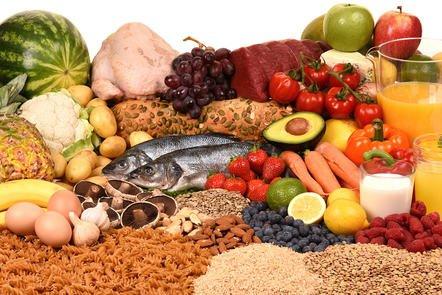
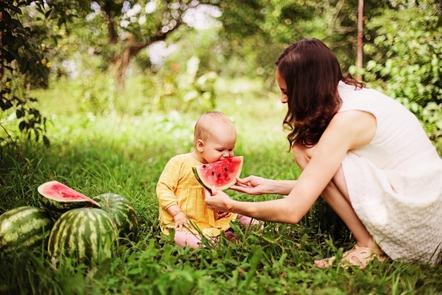
Explore the role of food in health. Apply nutrition science to guide you on using food as medicine for you and your family. This course introduces the concept of food as medicine. You will explore how food can be important both in preventative health and as an aid in the management of certain chronic diseases today, in the past and in the future.

Class Deals by MOOC List - Click here and see FutureLearn's Active Discounts, Deals, and Promo Codes.

You will also learn about what’s in food that gives it the potential to improve our health and how to recognise which types of foods are essential for health and wellbeing, and how food can play an important role in treating/preventing disease.

Syllabus

Week 1: Food as medicine
Week 2: A body systems approach for food as medicine
Week 3: Interpreting the science of food as medicine

What will you achieve?
By the end of the course, you'll be able to...

  • Describe what is meant by the term ‘food as medicine’ and list a number of examples of how foods have been used as medicine in the past.
  • Identify how and which types of foods are essential for health and wellbeing, and play an important role in treating/preventing disease.
  • Identify current evidenced based, nutrition related public health guidelines and apply these to improve personal eating habits and nutritional intake.
  • Identify foods/components of food that have an effect on different body systems, weight and appetite, fertility and pregnancy, and the genome.

Who is the course for?
This course will have broad general interest appeal to everyone interested in food, nutrition and health. But it will be of particular interest to healthcare professionals who are looking to have more evidenced-based information, to assist them in providing food-based recommendations to their patients.

Go to Class
MOOC List is learner-supported. When you buy through links on our site, we may earn an affiliate commission.

Related Courses

Digital Health for Cancer Management: Smart Health Technologies in Complex Diseases (FutureLearn) FutureLearn
Taipei Medical University

Digital Health for Cancer Management: Smart Health Technologies in Complex Diseases (FutureLearn)

Learn how new digital health technologies are transforming cancer management with this course for healthcare professionals. Recent advances in cancer treatment and management have lead to people with cancer living longer than ever before, now healthcare must begin to consider how to help people with cancer live healthily. On this course you will explore and discuss how new digital health technologies, like wearables, social media and home sensors, are starting to transform the management of cancer.

Self Paced
4 Weeks
Understanding Insulin (FutureLearn) FutureLearn
University of Southampton

Understanding Insulin (FutureLearn)

Learn more about all things insulin: from how it works, to insulin types, to side effects and guidance on how to prescribe safely. The current spend on diabetes care by the NHS is estimated to be £1.6 million pounds per hour. 80% of this is spent on managing diabetes complications, the risk of which can be significantly reduced through effective blood glucose control using insulin.

Self Paced
4 Weeks
TARGET Antibiotics – Prescribing in Primary Care (FutureLearn) FutureLearn
British Society for Antimicrobial Chemotherapy - BSAC,TARGET

TARGET Antibiotics – Prescribing in Primary Care (FutureLearn)

Helping primary care professionals to target the use of antibiotics to reduce antimicrobial resistance. Discover ideas about how to optimise prescribing in Primary Care. Antimicrobial resistance is a growing problem and everyone can play a part in tackling this issue. This course will look at many aspects of antibiotic prescribing in Primary Care from prescribing for urinary tract infections through to managing patient expectations.

Self Paced
5-12 Weeks
Using Infection Control to Combat Antimicrobial Resistance (FutureLearn) FutureLearn
University of East Anglia

Using Infection Control to Combat Antimicrobial Resistance (FutureLearn)

Find out how effective infection control in health and social care can tackle the global risk of antimicrobial resistance. Get practical guidance on infection control in health and social care settings. This online course will explore the growing problem of antimicrobial-resistant infections in health and social care settings. You’ll find out how infectious diseases are acquired and spread, and how this contributes to the global risk of antimicrobial resistance.

Self Paced
3 Weeks
Infant Nutrition: from Breastfeeding to Baby's First Solids (FutureLearn) FutureLearn
Deakin University

Infant Nutrition: from Breastfeeding to Baby's First Solids (FutureLearn)

Learn what good infant nutrition looks like, how and what to feed a baby, and how to start weaning. Explore the principles of good nutrition in the first 12 months of a baby’s life. In this insightful course led by nutritional experts from Deakin University, you’ll trace the milestones in a baby’s first year of life to learn about the principles of good infant nutrition and how you can apply them. You’ll explore the nutritional requirements of young children, as well as why healthy food for babies is so essential.

Self Paced
2 Weeks
Health and Wellbeing in the Ancient World (FutureLearn) FutureLearn
The Open University

Health and Wellbeing in the Ancient World (FutureLearn)

Use literary and archaeological evidence to see how ancient Greeks and Romans approached health, well-being and societal issues. What did being healthy in ancient Rome or Greece look like? How can we tell what well-being meant in ancient times? This online course will help you investigate these questions, using both literary and archaeological evidence, to uncover details of real life in ancient societies.

Self Paced
5-12 Weeks
Biochemistry: the Molecules of Life (FutureLearn) FutureLearn
University of East Anglia

Biochemistry: the Molecules of Life (FutureLearn)

Explore the impact of biochemistry on bioenergy and health, discovering why graduates are in demand; with the Biochemical Society. Biochemistry brings together all of the sciences to study the chemical and physical processes that occur in living organisms. It truly is the science of life. As a scientific discipline in its own right, biochemistry has a major impact on all areas of the life sciences and biochemists are in high demand among employers.

Self Paced
3 Weeks