Nutrition Science: Lifestyle Medicine (FutureLearn)

Nutrition Science: Lifestyle Medicine (FutureLearn)

Discover the preventative role of diet and nutrition for lifelong health and the relationship between mood and food. Unpack the factors that promote health and wellbeing in adults. Poor diet and lifestyle choices can lead to an increased risk of some diseases, affecting our lifelong health. On this four-week course, you’ll explore the many factors at play that can help promote health and wellbeing in adults.

Class Deals by MOOC List - Click here and see FutureLearn's Active Discounts, Deals, and Promo Codes.

Delving into the role of diet, physical activity, stress, and environment on preventative medication, you’ll understand how nutrition and movement can positively or negatively influence health.

Explore the relationship between diet and non-communicable diseases
You’ll unpack the critical relationship between diet and non-communicable (chronic) diseases.
This exploration of evidence-based learning will help you understand exactly how nutrition can lead to an increased risk of some diseases.
It will also give you the opportunity to learn how to evaluate a range of information including system reviews and observation studies in the research environment.

Understand the role of social and environmental factors in influencing lifestyle
As you delve further into the relationship between food and health, you’ll explore the role of social and environmental factors in influencing lifestyles, such as shift work, intermittent fasting, and sleep.
With this knowledge, you’ll understand the many contributors to health and wellbeing.
Learning from the experts and research academics at the world-leading Rowett Institute, you’ll finish the course with a deep understanding of the relationships between diet, movement, and lifelong health.

Syllabus

Week 1: Preventative role of diet and nutrition for life-long health
Week 2: Physical activity and health
Week 3: Stress and resilience on mood and food
Week 4: The influence of environment and social factors on health

What will you achieve?
By the end of the course, you‘ll be able to...

  • Explain the preventative role of diet and nutrition for lifelong health.
  • Describe the role of physical activity and movement to positively influence health.
  • Discuss the relationship between stress and resilience on mood and food.
  • Discuss environmental & social factors influencing health, wellbeing and longevity.
  • Evaluate a range of hierarchy of evidence from systematic reviews to observational studies as applied in the research environment as evidence-based literature.

Who is the course for?
This course is designed for anyone interested in health, including allied health professionals and those working in health care or the food system.
It will also be of interest to those looking to enhance their CPD.
If you want to further your knowledge, you may be interested in these courses, from the same provider, that share the same overall learning outcomes:
Go to Class
MOOC List is learner-supported. When you buy through links on our site, we may earn an affiliate commission.

Related Courses

Using Infection Control to Combat Antimicrobial Resistance (FutureLearn) FutureLearn
University of East Anglia

Using Infection Control to Combat Antimicrobial Resistance (FutureLearn)

Find out how effective infection control in health and social care can tackle the global risk of antimicrobial resistance. Get practical guidance on infection control in health and social care settings. This online course will explore the growing problem of antimicrobial-resistant infections in health and social care settings. You’ll find out how infectious diseases are acquired and spread, and how this contributes to the global risk of antimicrobial resistance.

Self Paced
3 Weeks
Introduction to Emergency Contraception (FutureLearn) FutureLearn
University of East Anglia

Introduction to Emergency Contraception (FutureLearn)

Understand emergency contraception and the choices available with this course for people working in healthcare and related fields. Emergency contraception can be confusing, with different types available and public understanding sometimes limited. On this course you will master the basics of emergency contraception: learning about the different types of post-coital contraception, exploring clinical guideliness; and working out which type of contraception is appropriate in different situations.

Self Paced
3 Weeks
Understanding Insulin (FutureLearn) FutureLearn
University of Southampton

Understanding Insulin (FutureLearn)

Learn more about all things insulin: from how it works, to insulin types, to side effects and guidance on how to prescribe safely. The current spend on diabetes care by the NHS is estimated to be £1.6 million pounds per hour. 80% of this is spent on managing diabetes complications, the risk of which can be significantly reduced through effective blood glucose control using insulin.

Self Paced
4 Weeks
Liver Disease: Looking After Your Liver (FutureLearn) FutureLearn
University of Birmingham

Liver Disease: Looking After Your Liver (FutureLearn)

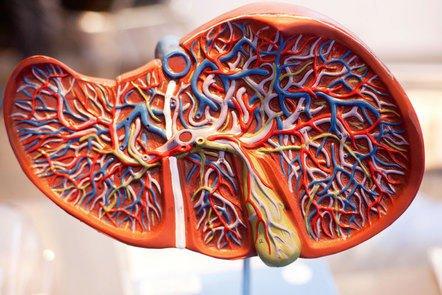
Learn about how your liver works, ways to look after it and how liver damage is caused, studied and treated around the world. We are currently experiencing an international explosion of liver disease that continues to have enormous impact upon healthcare systems and global health. In the UK we have seen a 20% increase in deaths related to liver disease since 2000 and this pattern reflects the global situation.

Self Paced
3 Weeks
Why Do We Age? The Molecular Mechanisms of Ageing (FutureLearn) FutureLearn
University of Groningen,University Medical Center Groningen - UMCG

Why Do We Age? The Molecular Mechanisms of Ageing (FutureLearn)

Why do we age? Is there a limit to human lifespan? Can we prolong our lives? Find out with this free online course. Discover the science behind the ageing process. The “why” and “how” of ageing has puzzled mankind ever since it questioned its place in the universe.

Self Paced
5-12 Weeks
Introduction to Critical Care Medicine (FutureLearn) FutureLearn
University of Glasgow

Introduction to Critical Care Medicine (FutureLearn)

Learn how to handle complex issues faced in Critical Care Units when other options on the ward have been exhausted. Learn how to manage common presentations seen in Critical Care Units. Critical care is an emerging specialty in hospitals and, with an increasing population living with multiple co-morbidites, the burden on Critical Care Units is rising. In this course, find out about the common presentations seen in a Critical Care Unit and how to manage them effectively.

Self Paced
3 Weeks
Small and Mighty: Introduction to Microbiology (FutureLearn) FutureLearn
University of Reading

Small and Mighty: Introduction to Microbiology (FutureLearn)

Understand the basics of microbiology and explore the diversity of microbial life in our world. Discover the fascinating world of microbes. Microbes may be invisible to the eye, but they dominate every environment on Earth – including you. Microbes are often associated with disease yet the majority of species help to keep us alive. How can you distinguish the good from the bad?

Self Paced
3 Weeks
TARGET Antibiotics – Prescribing in Primary Care (FutureLearn) FutureLearn
British Society for Antimicrobial Chemotherapy - BSAC,TARGET

TARGET Antibiotics – Prescribing in Primary Care (FutureLearn)

Helping primary care professionals to target the use of antibiotics to reduce antimicrobial resistance. Discover ideas about how to optimise prescribing in Primary Care. Antimicrobial resistance is a growing problem and everyone can play a part in tackling this issue. This course will look at many aspects of antibiotic prescribing in Primary Care from prescribing for urinary tract infections through to managing patient expectations.

Self Paced
5-12 Weeks
Achieving Sustainable Development (FutureLearn) FutureLearn
Trinity College Dublin

Achieving Sustainable Development (FutureLearn)

Explore the challenges of sustainable development. See the impact of UN Sustainable Development Goals on real people. Consider the impact that UN Sustainable Development Goals could have. Governments of the world have signed up to the Sustainable Development Goals (SDGs), a UN initiative for international development. They are targets for improving the world by 2030, including: health, environment, education, and security. But will they have an impact on the lives of people?

Self Paced
4 Weeks
Understanding Autism (FutureLearn) FutureLearn
University of Kent

Understanding Autism (FutureLearn)

Understand more about autism, including diagnosis, the autistic spectrum and life with autism, with this online course. First identified over 70 years ago, autism is a lifelong developmental disability affecting how a person communicates with and relates to others, and how they make sense of the world. It is a spectrum condition; all people on the spectrum share certain difficulties, but their condition will affect them in different ways.

Self Paced
4 Weeks