Introduction to Critical Care Medicine (FutureLearn)

Offered by University of Glasgow,
Introduction to Critical Care Medicine (FutureLearn)

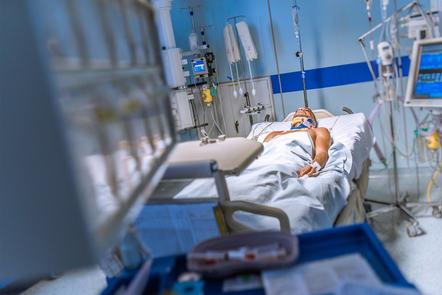
Learn how to handle complex issues faced in Critical Care Units when other options on the ward have been exhausted. Learn how to manage common presentations seen in Critical Care Units. Critical care is an emerging specialty in hospitals and, with an increasing population living with multiple co-morbidites, the burden on Critical Care Units is rising. In this course, find out about the common presentations seen in a Critical Care Unit and how to manage them effectively.

Class Deals by MOOC List - Click here and see FutureLearn's Active Discounts, Deals, and Promo Codes.

Learn how to handle pneumonia, how to manage multi-organ failure in trauma, how to recognise and manage sepsis early and how to prioritise the management of a trauma patient who needs resuscitation.

Syllabus

Week 1: The Concept of Critical Care, Respiratory Failure and its Management
Week 2: Trauma, Major Haemorrhage and Acute Kidney Injury
Week 3: Sepsis, its Initial Management and the Role of Critical Care

What will you achieve?
By the end of the course, you'll be able to...

  • Describe the meaning of Critical Care Unit and how support is different to that provided in the ward
  • Discuss which patients should be managed in Critical Care
  • Summarise the management of respiratory failure in critically ill patients in the High Dependency Unit and Intensive Care Unit
  • Debate appropriate triage of multiple patients involved in trauma
  • Discuss the management of polytrauma patients including the management of major haemorrhage
  • Summarise the initial management of a patient with sepsis

Go to Class
MOOC List is learner-supported. When you buy through links on our site, we may earn an affiliate commission.

Related Courses

Challenges in Antibiotic Resistance: Point Prevalence Surveys (FutureLearn) FutureLearn
British Society for Antimicrobial Chemotherapy - BSAC

Challenges in Antibiotic Resistance: Point Prevalence Surveys (FutureLearn)

Learn how to use Point Prevalence Surveys (PPS) to measure antibiotic consumption and fight antimicrobial resistance. Point Prevalence Surveys (PPS) are an important tool for healthcare professionals to use to assess and improve antibiotic prescribing locally, nationally and globally. This online course - led by experts from the British Society for Antimicrobial Chemotherapy (BSAC) - looks at their use. You’ll discover the importance of measuring antibiotic consumption and how PPS can help.

Self Paced
2 Weeks
Liver Disease: Looking After Your Liver (FutureLearn) FutureLearn
University of Birmingham

Liver Disease: Looking After Your Liver (FutureLearn)

Learn about how your liver works, ways to look after it and how liver damage is caused, studied and treated around the world. We are currently experiencing an international explosion of liver disease that continues to have enormous impact upon healthcare systems and global health. In the UK we have seen a 20% increase in deaths related to liver disease since 2000 and this pattern reflects the global situation.

Self Paced
3 Weeks
Small and Mighty: Introduction to Microbiology (FutureLearn) FutureLearn
University of Reading

Small and Mighty: Introduction to Microbiology (FutureLearn)

Understand the basics of microbiology and explore the diversity of microbial life in our world. Discover the fascinating world of microbes. Microbes may be invisible to the eye, but they dominate every environment on Earth – including you. Microbes are often associated with disease yet the majority of species help to keep us alive. How can you distinguish the good from the bad?

Self Paced
3 Weeks
Improving Healthcare Through Clinical Research (FutureLearn) FutureLearn
University of Leeds

Improving Healthcare Through Clinical Research (FutureLearn)

On this free online course, find out how medical treatments are discovered, tested and evaluated to improve healthcare for all. Everything we do in healthcare has to be discovered and thoroughly tested before it can be put into practice. In this course you will explore clinical research – its challenges and its huge benefits to modern healthcare.

Self Paced
4 Weeks
Developing Clinical Empathy: Making a Difference in Patient Care (FutureLearn) FutureLearn
St George's, University of London

Developing Clinical Empathy: Making a Difference in Patient Care (FutureLearn)

Discover the difference empathy can make to patient care, and improve your own clinical empathy. Understand empathy, and improve your own empathic ability. This course will help you develop an empathic practice that is individualised and attuned to the needs of all patients. You will learn about different types of empathy, explore non-verbal cues, and understand key opportunities for showing empathy in clinical care.

Self Paced
2 Weeks
Understanding Insulin (FutureLearn) FutureLearn
University of Southampton

Understanding Insulin (FutureLearn)

Learn more about all things insulin: from how it works, to insulin types, to side effects and guidance on how to prescribe safely. The current spend on diabetes care by the NHS is estimated to be £1.6 million pounds per hour. 80% of this is spent on managing diabetes complications, the risk of which can be significantly reduced through effective blood glucose control using insulin.

Self Paced
4 Weeks
Using Infection Control to Combat Antimicrobial Resistance (FutureLearn) FutureLearn
University of East Anglia

Using Infection Control to Combat Antimicrobial Resistance (FutureLearn)

Find out how effective infection control in health and social care can tackle the global risk of antimicrobial resistance. Get practical guidance on infection control in health and social care settings. This online course will explore the growing problem of antimicrobial-resistant infections in health and social care settings. You’ll find out how infectious diseases are acquired and spread, and how this contributes to the global risk of antimicrobial resistance.

Self Paced
3 Weeks
Challenges in Antibiotic Resistance: Gram Negative Bacteria (FutureLearn) FutureLearn
British Society for Antimicrobial Chemotherapy - BSAC

Challenges in Antibiotic Resistance: Gram Negative Bacteria (FutureLearn)

This course by BSAC is for healthcare professionals managing infections. You will learn about Gram Negative Bacteria. Identify, diagnose and treat gram negative bacterial infections. Gram negative bacteria (GNB) are a group of bacteria that can cause infection and toxic reaction in patients, yet are difficult to differentiate and treat with antibiotics due to their structure.

Self Paced
3 Weeks
Introduction to Emergency Contraception (FutureLearn) FutureLearn
University of East Anglia

Introduction to Emergency Contraception (FutureLearn)

Understand emergency contraception and the choices available with this course for people working in healthcare and related fields. Emergency contraception can be confusing, with different types available and public understanding sometimes limited. On this course you will master the basics of emergency contraception: learning about the different types of post-coital contraception, exploring clinical guideliness; and working out which type of contraception is appropriate in different situations.

Self Paced
3 Weeks