Biochemistry: the Molecules of Life (FutureLearn)

Biochemistry: the Molecules of Life (FutureLearn)

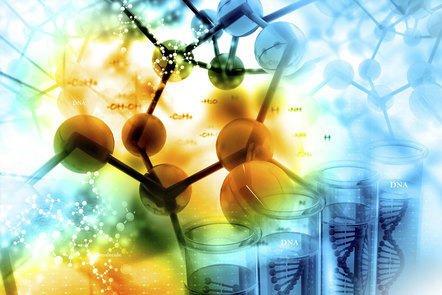
Explore the impact of biochemistry on bioenergy and health, discovering why graduates are in demand; with the Biochemical Society. Biochemistry brings together all of the sciences to study the chemical and physical processes that occur in living organisms. It truly is the science of life. As a scientific discipline in its own right, biochemistry has a major impact on all areas of the life sciences and biochemists are in high demand among employers.

Class Deals by MOOC List - Click here and see FutureLearn's Active Discounts, Deals, and Promo Codes.

Get an introduction to biochemistry
This free online biochemistry course will outline the background and history of the field, and its contemporary significance in the life sciences. It’s ideal if you enjoy biology and chemistry at school, and are thinking about studying or working in biochemistry as a distinct subject.

By the end of the course, you will be able to:

  • discuss how biochemistry brings together the natural sciences, to describe the chemical basis of living systems;
  • describe the events and scientists that have been significant during the historical development of biochemistry;
  • describe the seminal experiments that led to significant advances in biochemical knowledge;
  • discuss where biochemistry will play a role in future scientific advances, such as bioenergy, pharmaceuticals and synthetic biology.
  • recognise the wide range of jobs and career opportunities that become possible as a biochemistry graduate.

Learn with expert biochemists from UEA and beyond
Throughout the course, you will learn with a range of staff from UEA’s Schools of Biological Sciences and Chemistry, and find out how biochemistry is underpinning developments in the life sciences at the Norwich Research Park (NRP), and Norfolk and Norwich University Hospital. You will also get the chance to see interviews with people using biochemistry in a wide range of careers.

Syllabus

Week 1: What is biochemistry?
Week 2: Connecting biology and chemistry: metabolism and bioenergetics
Week 3: Connecting biology and chemistry: from natural products to synthetic biology

What will you achieve?
By the end of the course, you‘ll be able to...

  • Discuss how biochemistry brings together the natural sciences to describe the chemical basis of living systems
  • Describe events and scientists that have been significant during the historical development of biochemistry
  • Identify crossover points that exist between biology and chemistry curricula
  • Evaluate where biochemistry will play a key role in scientific advances in the future
  • Explore the wide range of jobs and career opportunities that become possible with a training in biochemistry
  • Summarise seminal experiments that led to significant advances in biochemical knowledge

Who is the course for?
This course will be of particular interest to 15 to 19 year olds who are studying biology and chemistry, and considering further studies in biochemistry.
No prior formal qualifications are required for this course. With a clear explanation of relevant details, the material will be understandable to all with a basic interest and background knowledge in biology and chemistry.
Go to Class
MOOC List is learner-supported. When you buy through links on our site, we may earn an affiliate commission.

Related Courses

Using Infection Control to Combat Antimicrobial Resistance (FutureLearn) FutureLearn
University of East Anglia

Using Infection Control to Combat Antimicrobial Resistance (FutureLearn)

Find out how effective infection control in health and social care can tackle the global risk of antimicrobial resistance. Get practical guidance on infection control in health and social care settings. This online course will explore the growing problem of antimicrobial-resistant infections in health and social care settings. You’ll find out how infectious diseases are acquired and spread, and how this contributes to the global risk of antimicrobial resistance.

Self Paced
3 Weeks
Why Do We Age? The Molecular Mechanisms of Ageing (FutureLearn) FutureLearn
University of Groningen,University Medical Center Groningen - UMCG

Why Do We Age? The Molecular Mechanisms of Ageing (FutureLearn)

Why do we age? Is there a limit to human lifespan? Can we prolong our lives? Find out with this free online course. Discover the science behind the ageing process. The “why” and “how” of ageing has puzzled mankind ever since it questioned its place in the universe.

Self Paced
5-12 Weeks
Causes of Human Disease: Understanding Causes of Disease (FutureLearn) FutureLearn
University of Leeds

Causes of Human Disease: Understanding Causes of Disease (FutureLearn)

Learn the epidemiological methods used to understand the causes of diseases and how social factors influence their development. What causes human disease? Why do some people get a disease but others don’t? Through this course, you’ll learn how epidemiologists are helping to find answers to these complex questions and how the health of a population is measured and analysed.

Self Paced
2 Weeks
Causes of Human Disease: Exploring Cancer and Genetic Disease (FutureLearn) FutureLearn
University of Leeds

Causes of Human Disease: Exploring Cancer and Genetic Disease (FutureLearn)

Explore how the unravelling of genetic code has led to a deeper understanding of genetic diseases and cancer. It’s widely known that some diseases run in families. The discovery of the structure of DNA and the unravelling of the genetic code has led to a deeper understanding of such diseases. We now know more about the genetic basis of cancer and how cancer cells are formed and reproduce. On this course you’ll explore the structure of DNA, its processes and learn how genetic disease results from DNA alterations.

Self Paced
2 Weeks
Infant Nutrition: from Breastfeeding to Baby's First Solids (FutureLearn) FutureLearn
Deakin University

Infant Nutrition: from Breastfeeding to Baby's First Solids (FutureLearn)

Learn what good infant nutrition looks like, how and what to feed a baby, and how to start weaning. Explore the principles of good nutrition in the first 12 months of a baby’s life. In this insightful course led by nutritional experts from Deakin University, you’ll trace the milestones in a baby’s first year of life to learn about the principles of good infant nutrition and how you can apply them. You’ll explore the nutritional requirements of young children, as well as why healthy food for babies is so essential.

Self Paced
2 Weeks
Heart Health: A Beginner's Guide to Cardiovascular Disease (FutureLearn) FutureLearn
University of Reading

Heart Health: A Beginner's Guide to Cardiovascular Disease (FutureLearn)

Learn more about how your heart works, the causes of heart disease and how to keep your heart healthy with this free online course. Learn how to keep your heart healthy. Your heart beats around 100,000 times a day, pumping blood around your body to deliver oxygen and nutrients, while taking away waste products. When your heart is unhealthy, it can’t perform this vital task so effectively.

Self Paced
4 Weeks
So You Want to Study Life Science? (FutureLearn) FutureLearn
University of Glasgow

So You Want to Study Life Science? (FutureLearn)

Explore the exciting subjects within life sciences and the rewarding careers that studying life sciences at university lead to. This short, free online course will introduce you to studying life sciences at university level.We’ll take you on a whistle stop tour of the exciting world of life sciences, exploring the vast array of subjects within the discipline – from anatomy to zoology and everything in between, including immunology, cellular and molecular biology, genetics, physiology and parasitology.

Self Paced
2 Weeks
Causes of Human Disease: Understanding Cardiovascular Disease (FutureLearn) FutureLearn
University of Leeds

Causes of Human Disease: Understanding Cardiovascular Disease (FutureLearn)

Explore normal cardiovascular function and risk factors associated with heart attack, stroke and other cardiovascular diseases. Cardiovascular diseases are the leading global cause of death. On this course, you’ll learn how the cardiovascular system functions and understand common cardiovascular diseases like heart attack and stroke, as well as the risk factors associated with them.

Self Paced
2 Weeks