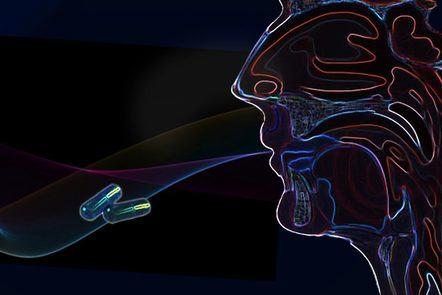
Dysphagia: Swallowing Difficulties and Medicines (FutureLearn)

Dysphagia: Swallowing Difficulties and Medicines (FutureLearn)

This course will enhance the knowledge of any person involved in the administration of medicines to patients with dysphagia. The course offers an opportunity to network with other learners and with the creators of the course through discussions, graphs and social networking features and to share knowledge with other learners and professionals.

Class Deals by MOOC List - Click here and see FutureLearn's Active Discounts, Deals, and Promo Codes.

By completing this online course participants will be able to describe:

  • the swallowing process and different causes of swallowing problems
  • the different types of medicines formulations and how these should be administered to patients
  • how tablets and capsules are designed to ensure that drugs are appropriately distributed in the body
  • special considerations which need to be taken into account when giving medicines to older people and children
  • the special considerations which are required to administer medicines via enteral tubes
  • the law relating to the selection and administration of medicines
  • how best to administer medicines to patients with dysphagia

What topics will you cover?

  • Definition and causes of dysphagia
  • How to improve medicines administration for patients with dysphagia
  • Supporting patients with dysphagia to take their medicines
  • Different medicine formulations and the important considerations for patients with dysphagia
  • Legal and ethical considerations when administering medicines to patients with dysphagia
  • Standardising the approach to reviewing medicines in patients with dysphagia

Learning on this course
You can take this self-guided course and learn at your own pace. On every step of the course you can meet other learners, share your ideas and join in with active discussions in the comments.

What will you achieve?
By the end of the course, you'll be able to...

  • Describe the swallowing process and different causes of swallowing problems.
  • Describe the different types of medicines formulations and how these should be administered to patients.
  • Describe how tablets and capsules are designed to ensure that drugs are appropriately distributed in the body.
  • Describe special considerations which need to be taken into account when giving medicines to older people and children.
  • Describe the special considerations which are required to administer medicines via enteral tubes.
  • Describe the law relating to the selection and administration of medicines.
  • Describe how best to administer medicines to patients with dysphagia.

Who is the course for?
There are no requirements for this course, other than an interest in swallowing difficulties and medicines. The course will be of particular interest to carers, nurses and those in the field of medicine

Go to Class
MOOC List is learner-supported. When you buy through links on our site, we may earn an affiliate commission.

Related Courses

Organ Donation: The Essentials for Healthcare Professionals (FutureLearn) FutureLearn
St George's, University of London,NHS Blood and Transplant

Organ Donation: The Essentials for Healthcare Professionals (FutureLearn)

Understand the key processes regarding organ donation with this course for healthcare professionals, anywhere in the world. Learn about different aspects of organ donation. Despite organ donation being hugely important there is currently limited training for healthcare workforce regarding the complex issues around organ and tissue donation. This course aims to change that.

Self Paced
2 Weeks
Challenges in Antibiotic Resistance: Gram Negative Bacteria (FutureLearn) FutureLearn
British Society for Antimicrobial Chemotherapy - BSAC

Challenges in Antibiotic Resistance: Gram Negative Bacteria (FutureLearn)

This course by BSAC is for healthcare professionals managing infections. You will learn about Gram Negative Bacteria. Identify, diagnose and treat gram negative bacterial infections. Gram negative bacteria (GNB) are a group of bacteria that can cause infection and toxic reaction in patients, yet are difficult to differentiate and treat with antibiotics due to their structure.

Self Paced
3 Weeks
Heart Health: A Beginner's Guide to Cardiovascular Disease (FutureLearn) FutureLearn
University of Reading

Heart Health: A Beginner's Guide to Cardiovascular Disease (FutureLearn)

Learn more about how your heart works, the causes of heart disease and how to keep your heart healthy with this free online course. Learn how to keep your heart healthy. Your heart beats around 100,000 times a day, pumping blood around your body to deliver oxygen and nutrients, while taking away waste products. When your heart is unhealthy, it can’t perform this vital task so effectively.

Self Paced
4 Weeks
Biochemistry: the Molecules of Life (FutureLearn) FutureLearn
University of East Anglia

Biochemistry: the Molecules of Life (FutureLearn)

Explore the impact of biochemistry on bioenergy and health, discovering why graduates are in demand; with the Biochemical Society. Biochemistry brings together all of the sciences to study the chemical and physical processes that occur in living organisms. It truly is the science of life. As a scientific discipline in its own right, biochemistry has a major impact on all areas of the life sciences and biochemists are in high demand among employers.

Self Paced
3 Weeks
OPAT: Outpatient Parenteral Antimicrobial Therapy (FutureLearn) FutureLearn
British Society for Antimicrobial Chemotherapy - BSAC

OPAT: Outpatient Parenteral Antimicrobial Therapy (FutureLearn)

Learn how patients with a serious infection can be managed in outpatient settings with the help of an OPAT service. Discover the function, role and limitations of an OPAT service. OPAT is a clinical service which enables patients with serious infection to be managed in an outpatient setting. The service aims to facilitate admission avoidance or early hospital discharge. On this course, you will be introduced to the concept of OPAT. You’ll start by looking at the roles and responsibilities within the multi-disciplinary OPAT team.

Self Paced
2 Weeks
Health and Wellbeing in the Ancient World (FutureLearn) FutureLearn
The Open University

Health and Wellbeing in the Ancient World (FutureLearn)

Use literary and archaeological evidence to see how ancient Greeks and Romans approached health, well-being and societal issues. What did being healthy in ancient Rome or Greece look like? How can we tell what well-being meant in ancient times? This online course will help you investigate these questions, using both literary and archaeological evidence, to uncover details of real life in ancient societies.

Self Paced
5-12 Weeks
Liver Disease: Looking After Your Liver (FutureLearn) FutureLearn
University of Birmingham

Liver Disease: Looking After Your Liver (FutureLearn)

Learn about how your liver works, ways to look after it and how liver damage is caused, studied and treated around the world. We are currently experiencing an international explosion of liver disease that continues to have enormous impact upon healthcare systems and global health. In the UK we have seen a 20% increase in deaths related to liver disease since 2000 and this pattern reflects the global situation.

Self Paced
3 Weeks
The Genomics Era: the Future of Genetics in Medicine (FutureLearn) FutureLearn
St George's, University of London,St George's University Hospitals NHS Foundation Trust

The Genomics Era: the Future of Genetics in Medicine (FutureLearn)

Get an introduction to the growing role of genomics in healthcare, for patient diagnoses, treatment and disease prevention. This free online course will provide healthcare professionals with a basic grounding in genomic medicine. It will introduce you to new genomic technologies, which are revolutionising medicine and will, in time, provide the mainstay of patient diagnosis, treatment and disease prevention.

Self Paced
5-12 Weeks
Causes of Human Disease: Understanding Causes of Disease (FutureLearn) FutureLearn
University of Leeds

Causes of Human Disease: Understanding Causes of Disease (FutureLearn)

Learn the epidemiological methods used to understand the causes of diseases and how social factors influence their development. What causes human disease? Why do some people get a disease but others don’t? Through this course, you’ll learn how epidemiologists are helping to find answers to these complex questions and how the health of a population is measured and analysed.

Self Paced
2 Weeks
Why Do We Age? The Molecular Mechanisms of Ageing (FutureLearn) FutureLearn
University of Groningen,University Medical Center Groningen - UMCG

Why Do We Age? The Molecular Mechanisms of Ageing (FutureLearn)

Why do we age? Is there a limit to human lifespan? Can we prolong our lives? Find out with this free online course. Discover the science behind the ageing process. The “why” and “how” of ageing has puzzled mankind ever since it questioned its place in the universe.

Self Paced
5-12 Weeks