Heart Health: A Beginner's Guide to Cardiovascular Disease (FutureLearn)

Offered by University of Reading,
Heart Health: A Beginner's Guide to Cardiovascular Disease (FutureLearn)

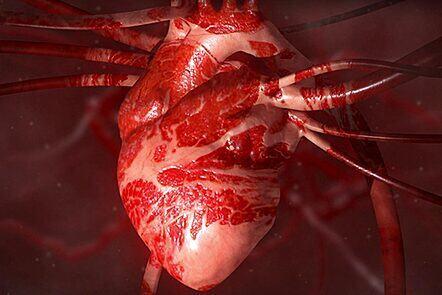
Learn more about how your heart works, the causes of heart disease and how to keep your heart healthy with this free online course. Learn how to keep your heart healthy. Your heart beats around 100,000 times a day, pumping blood around your body to deliver oxygen and nutrients, while taking away waste products. When your heart is unhealthy, it can’t perform this vital task so effectively.

Class Deals by MOOC List - Click here and see FutureLearn's Active Discounts, Deals, and Promo Codes.

This course will improve your knowledge of how the heart works, the causes of cardiovascular diseases such as heart attacks, strokes, high blood pressure and heart failure and what you can do to avoid them.
Each week you’ll be able to get hands on with a practical activity, helping you to apply the knowledge you’ll gain on the course, to better understand your own heart.

Syllabus

Week 1: Cardiovascular anatomy and physiology
Week 2: Angina, heart attacks and strokes
Week 3: Heart failure, hypertension, valvular disease and arrhythmias
Week 4: Risk factors and prevention

What will you achieve?
By the end of the course, you'll be able to...

  • Describe the structure and function of the cardiovascular system, including the circulatory system and heart
  • Describe the basis of several cardiovascular diseases including heart attacks, strokes, hypertension and heart failure
  • Evaluate the various risk factors that can contribute towards increasing a person’s risk of cardiovascular disease
  • Discuss some of the lifestyle choices that we can make to try and reduce our risk of cardiovascular disease
  • Apply theoretical knowledge and investigate a topic through practical activities
  • Investigate and process data
  • Investigate a topic and evaluate the reliability of your sources

Who is the course for?
This course is aimed at anyone with an interest in how the heart works and the diseases that commonly affect it. It will help if you have a basic understanding of human biology, but we’ll explain things in a way that will be easy for those who are unfamiliar with the subject. If you get stuck, you can always ask questions in the comments and other learners may be able to help you.
Healthcare practitioners may also enjoy this as a gentle refresher or resource to share with patients.


Go to Class
MOOC List is learner-supported. When you buy through links on our site, we may earn an affiliate commission.

Related Courses

Biochemistry: the Molecules of Life (FutureLearn) FutureLearn
University of East Anglia

Biochemistry: the Molecules of Life (FutureLearn)

Explore the impact of biochemistry on bioenergy and health, discovering why graduates are in demand; with the Biochemical Society. Biochemistry brings together all of the sciences to study the chemical and physical processes that occur in living organisms. It truly is the science of life. As a scientific discipline in its own right, biochemistry has a major impact on all areas of the life sciences and biochemists are in high demand among employers.

Self Paced
3 Weeks
Digital Health for Cancer Management: Smart Health Technologies in Complex Diseases (FutureLearn) FutureLearn
Taipei Medical University

Digital Health for Cancer Management: Smart Health Technologies in Complex Diseases (FutureLearn)

Learn how new digital health technologies are transforming cancer management with this course for healthcare professionals. Recent advances in cancer treatment and management have lead to people with cancer living longer than ever before, now healthcare must begin to consider how to help people with cancer live healthily. On this course you will explore and discuss how new digital health technologies, like wearables, social media and home sensors, are starting to transform the management of cancer.

Self Paced
4 Weeks
Improving Health Assessments for People with an Intellectual Disability (FutureLearn) FutureLearn
Trinity College Dublin,EIT Health

Improving Health Assessments for People with an Intellectual Disability (FutureLearn)

Learn how to improve healthcare for people with intellectual disabilities with this course for healthcare professionals. Detecting poor health and supporting people with an intellectual disability in managing their health can be challenging for healthcare professionals. During this course, you will gain valuable knowledge that you can transfer into your daily practice on how to include people with an intellectual disability in health assessments.

Self Paced
3 Weeks
Inside Cancer: How Genes Influence Cancer Development (FutureLearn) FutureLearn
University of Bath

Inside Cancer: How Genes Influence Cancer Development (FutureLearn)

Understand how genetics influence the development and spread of cancer, with this free, introductory online course. What is the one thing that all cancers have in common? They begin as mutant or rebel cells! In this course we will explore how changes in cancer genetics and epigenetics enables these cells to grow uncontrollably, by exploiting our blood vessels and immune system along with other systemic changes.

Self Paced
4 Weeks
Perioperative Medicine in Action (FutureLearn) FutureLearn
University College London

Perioperative Medicine in Action (FutureLearn)

Explore perioperative medicine and how you can improve care for the high risk surgical patient. Join this RCoA endorsed course. Too many patients die or suffer prolonged complications following surgery. Perioperative medicine is an emerging, multi-disciplinary approach, which tackles this issue, by optimising the care of high-risk surgical patients. It encompasses disciplines including anaesthetics, surgery, nursing, care of the elderly, physiotherapy and healthcare management.

Self Paced
4 Weeks
Organ Donation: The Essentials for Healthcare Professionals (FutureLearn) FutureLearn
St George's, University of London,NHS Blood and Transplant

Organ Donation: The Essentials for Healthcare Professionals (FutureLearn)

Understand the key processes regarding organ donation with this course for healthcare professionals, anywhere in the world. Learn about different aspects of organ donation. Despite organ donation being hugely important there is currently limited training for healthcare workforce regarding the complex issues around organ and tissue donation. This course aims to change that.

Self Paced
2 Weeks
Introduction to Emergency Contraception (FutureLearn) FutureLearn
University of East Anglia

Introduction to Emergency Contraception (FutureLearn)

Understand emergency contraception and the choices available with this course for people working in healthcare and related fields. Emergency contraception can be confusing, with different types available and public understanding sometimes limited. On this course you will master the basics of emergency contraception: learning about the different types of post-coital contraception, exploring clinical guideliness; and working out which type of contraception is appropriate in different situations.

Self Paced
3 Weeks
Liver Disease: Looking After Your Liver (FutureLearn) FutureLearn
University of Birmingham

Liver Disease: Looking After Your Liver (FutureLearn)

Learn about how your liver works, ways to look after it and how liver damage is caused, studied and treated around the world. We are currently experiencing an international explosion of liver disease that continues to have enormous impact upon healthcare systems and global health. In the UK we have seen a 20% increase in deaths related to liver disease since 2000 and this pattern reflects the global situation.

Self Paced
3 Weeks
Introduction to Health Technology Assessment (FutureLearn) FutureLearn
University of Glasgow

Introduction to Health Technology Assessment (FutureLearn)

Learn about health technology assessment (HTA) and quality of life (QoL), and how they’re used to decide which treatments to fund. Get an introduction to health technology assessment (HTA). This online course provides a short, interactive introduction to health technology assessment (HTA), based on the University of Glasgow’s successful online distance-learning programme, the MSc in HTA.

Self Paced
3 Weeks
ECG Assessment: an Introduction for Healthcare Providers (FutureLearn) FutureLearn
St George's, University of London

ECG Assessment: an Introduction for Healthcare Providers (FutureLearn)

Understand the principles of electrocardiography and learn a step-by-step approach to the ECG test, with this free online course. The electrocardiograph (also known as electrocardiogram) or ECG is a non-invasive diagnostic procedure, commonly used to assess people with known or suspected heart disease, in a variety of healthcare settings. Competent recording, reading and interpretation is vital to ensure safe and effective care, yet ECGs are commonly undertaken by unqualified and junior staff, who have received little training.

Self Paced
2 Weeks