Health and Wellbeing in the Ancient World (FutureLearn)

Offered by The Open University,
Health and Wellbeing in the Ancient World (FutureLearn)

Use literary and archaeological evidence to see how ancient Greeks and Romans approached health, well-being and societal issues. What did being healthy in ancient Rome or Greece look like? How can we tell what well-being meant in ancient times? This online course will help you investigate these questions, using both literary and archaeological evidence, to uncover details of real life in ancient societies.

Class Deals by MOOC List - Click here and see FutureLearn's Active Discounts, Deals, and Promo Codes.

We will divide the body up into organs and systems, using each to explore ancient theories on the structure and function of the human body.

We will discover what ancient societies thought about topics that we still wrestle with today – from the relationship between mind and body, to sexuality, ageing and gender.

What topics will you cover?

  • What is health ? Ancient and modern perspectives on health and disease
  • Medicine, religion and magic
  • Using online resources
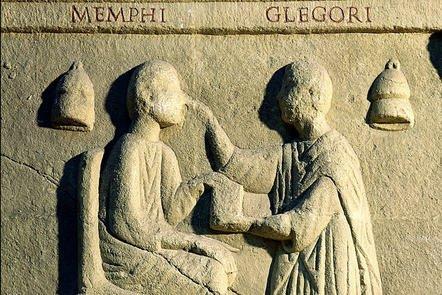
  • Vision: theories of sight, approaches to eye disease, including drugs and surgery
  • Body modifications
  • Diet and digestion
  • Human waste: using evidence from toilets and sewers
  • Conception and birth: theories and practices
  • Ideal bodies and disabled bodies

-The health of the army: recruiting and treating soldiers

What will you achieve?
By the end of the course, you'll be able to...

  • Develop confidence in exploring the variety of fields that constitute classical studies.
  • Explore and become familiar with open-access resources for classical studies.
  • Develop the ability to critically analyse primary sources.
  • Apply and gain skills in analysing complex problems based on fragmentary evidence.
  • Engage with contemporary interpretations and scholarly debates.
Go to Class
MOOC List is learner-supported. When you buy through links on our site, we may earn an affiliate commission.

Related Courses

Heart Health: A Beginner's Guide to Cardiovascular Disease (FutureLearn) FutureLearn
University of Reading

Heart Health: A Beginner's Guide to Cardiovascular Disease (FutureLearn)

Learn more about how your heart works, the causes of heart disease and how to keep your heart healthy with this free online course. Learn how to keep your heart healthy. Your heart beats around 100,000 times a day, pumping blood around your body to deliver oxygen and nutrients, while taking away waste products. When your heart is unhealthy, it can’t perform this vital task so effectively.

Self Paced
4 Weeks
Perioperative Medicine in Action (FutureLearn) FutureLearn
University College London

Perioperative Medicine in Action (FutureLearn)

Explore perioperative medicine and how you can improve care for the high risk surgical patient. Join this RCoA endorsed course. Too many patients die or suffer prolonged complications following surgery. Perioperative medicine is an emerging, multi-disciplinary approach, which tackles this issue, by optimising the care of high-risk surgical patients. It encompasses disciplines including anaesthetics, surgery, nursing, care of the elderly, physiotherapy and healthcare management.

Self Paced
4 Weeks
Digital Health for Cancer Management: Smart Health Technologies in Complex Diseases (FutureLearn) FutureLearn
Taipei Medical University

Digital Health for Cancer Management: Smart Health Technologies in Complex Diseases (FutureLearn)

Learn how new digital health technologies are transforming cancer management with this course for healthcare professionals. Recent advances in cancer treatment and management have lead to people with cancer living longer than ever before, now healthcare must begin to consider how to help people with cancer live healthily. On this course you will explore and discuss how new digital health technologies, like wearables, social media and home sensors, are starting to transform the management of cancer.

Self Paced
4 Weeks
Why Do We Age? The Molecular Mechanisms of Ageing (FutureLearn) FutureLearn
University of Groningen,University Medical Center Groningen - UMCG

Why Do We Age? The Molecular Mechanisms of Ageing (FutureLearn)

Why do we age? Is there a limit to human lifespan? Can we prolong our lives? Find out with this free online course. Discover the science behind the ageing process. The “why” and “how” of ageing has puzzled mankind ever since it questioned its place in the universe.

Self Paced
5-12 Weeks
Using Infection Control to Combat Antimicrobial Resistance (FutureLearn) FutureLearn
University of East Anglia

Using Infection Control to Combat Antimicrobial Resistance (FutureLearn)

Find out how effective infection control in health and social care can tackle the global risk of antimicrobial resistance. Get practical guidance on infection control in health and social care settings. This online course will explore the growing problem of antimicrobial-resistant infections in health and social care settings. You’ll find out how infectious diseases are acquired and spread, and how this contributes to the global risk of antimicrobial resistance.

Self Paced
3 Weeks
Understanding Anxiety, Depression and CBT (FutureLearn) FutureLearn
University of Reading

Understanding Anxiety, Depression and CBT (FutureLearn)

Improve your understanding of depression and anxiety and find out more about an effective and evidence-based treatment: CBT. Anxiety and depression are terms discussed widely, in different media and amongst family and friends. But what do those labels actually mean? On this five week course, from the University of Reading, you will explore what it means to have anxiety or depression and how they are identified.

Self Paced
5-12 Weeks
Causes of Human Disease: Exploring Cancer and Genetic Disease (FutureLearn) FutureLearn
University of Leeds

Causes of Human Disease: Exploring Cancer and Genetic Disease (FutureLearn)

Explore how the unravelling of genetic code has led to a deeper understanding of genetic diseases and cancer. It’s widely known that some diseases run in families. The discovery of the structure of DNA and the unravelling of the genetic code has led to a deeper understanding of such diseases. We now know more about the genetic basis of cancer and how cancer cells are formed and reproduce. On this course you’ll explore the structure of DNA, its processes and learn how genetic disease results from DNA alterations.

Self Paced
2 Weeks
Quality Improvement in Healthcare: the Case for Change (FutureLearn) FutureLearn
University of Bath

Quality Improvement in Healthcare: the Case for Change (FutureLearn)

Explore new and better ways of organising health and social care services, to improve quality, with this free online course. Why is quality improvement in health and social care systems so difficult? Why is it so challenging to bring in new and better ways of organising health and social care services? Many reasons have been put forward: lack of money; lack of knowledge about either the actual quality of care delivered, or resistance to making changes to long-established ways of working; excessive and sometimes misunderstood regulations; and professional opinions and interests that are hard to influence when systems are working at or beyond capacity.

Self Paced
5-12 Weeks
Rome: a Virtual Tour of the Ancient City (FutureLearn) FutureLearn
University of Reading

Rome: a Virtual Tour of the Ancient City (FutureLearn)

Explore the architecture and history of Rome, walking around a 3D digital model of the ancient city, with this free online course. Explore ancient Rome through a unique, historically accurate 3D model. Take a guided tour around ancient Rome with expert Professor Matthew Nicholls, using his detailed and award-winning 3D digital model of the city.

Self Paced
5-12 Weeks
OPAT: Outpatient Parenteral Antimicrobial Therapy (FutureLearn) FutureLearn
British Society for Antimicrobial Chemotherapy - BSAC

OPAT: Outpatient Parenteral Antimicrobial Therapy (FutureLearn)

Learn how patients with a serious infection can be managed in outpatient settings with the help of an OPAT service. Discover the function, role and limitations of an OPAT service. OPAT is a clinical service which enables patients with serious infection to be managed in an outpatient setting. The service aims to facilitate admission avoidance or early hospital discharge. On this course, you will be introduced to the concept of OPAT. You’ll start by looking at the roles and responsibilities within the multi-disciplinary OPAT team.

Self Paced
2 Weeks
Understanding Insulin (FutureLearn) FutureLearn
University of Southampton

Understanding Insulin (FutureLearn)

Learn more about all things insulin: from how it works, to insulin types, to side effects and guidance on how to prescribe safely. The current spend on diabetes care by the NHS is estimated to be £1.6 million pounds per hour. 80% of this is spent on managing diabetes complications, the risk of which can be significantly reduced through effective blood glucose control using insulin.

Self Paced
4 Weeks