International migrations: a global issue (Coursera)

Offered by Sciences Po,
International migrations: a global issue (Coursera)

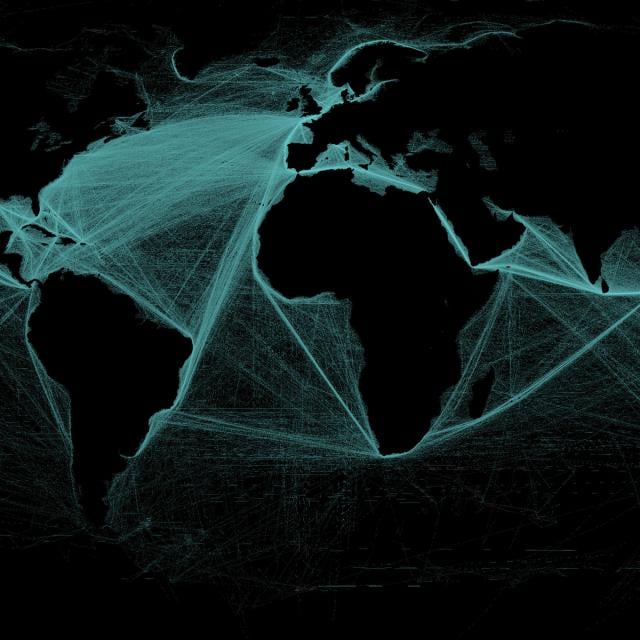
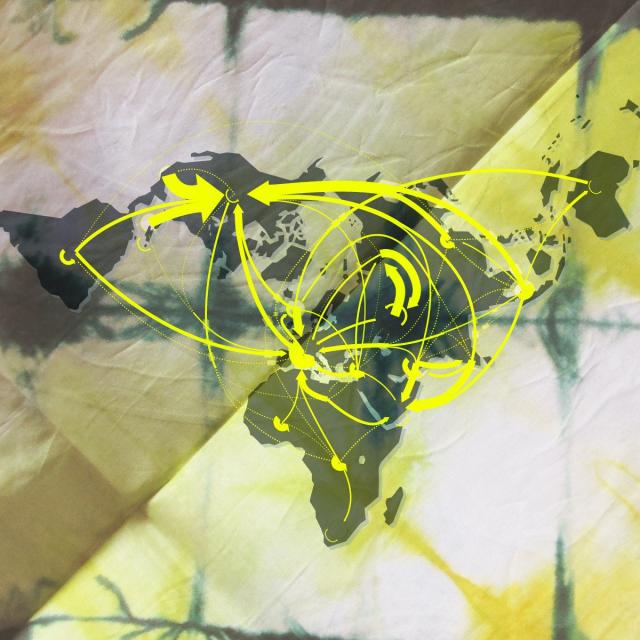
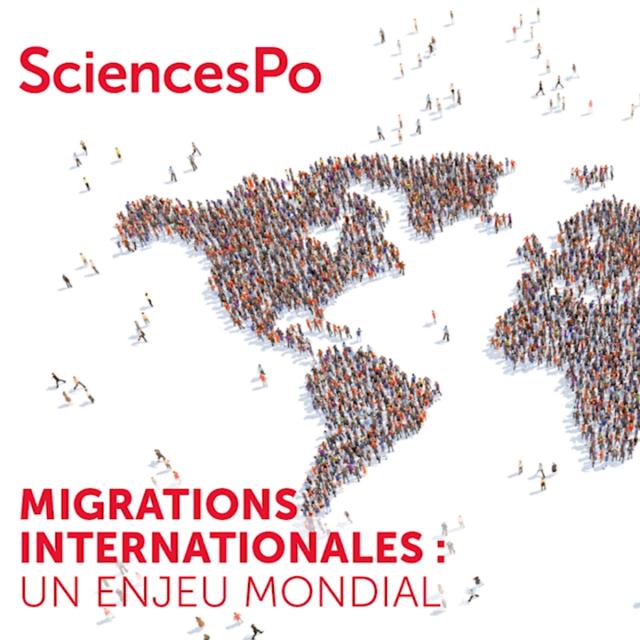
The world is moving, but not all opinions and governments are willing to accept this poorly understood reality. The issue affects both states and the planet, in a process of globalization and of regionalization of migrations, and raises new questions for international relations, now including the South. This course aims at improving knowledge of the subject, addressing the key issues raised by international migration, and assessing the trends of tomorrow.

Class Deals by MOOC List - Click here and see Coursera's Active Discounts, Deals, and Promo Codes.

The MOOC lasts 7 weeks and focuses on various themes related to migration. It makes use of various types of document, such as maps, news articles, and scientific papers.
The text is in English and the videos are in French with English subtitles

Syllabus

WEEK 1: Globalization of migration
WEEK 2: Refugees and environmentally displaced persons
WEEK 3: Europe
WEEK 4: France and international migration flows
WEEK 5: Citizenship and migration
WEEK : Borders
WEEK 7: Right to mobility and global governance
WEEK 8: Bibliography
WEEK 9: Maps

Go to Class
MOOC List is learner-supported. When you buy through links on our site, we may earn an affiliate commission.

Related Courses

Cities are back in town : sociologie urbaine pour un monde globalisé (Coursera) Coursera
Sciences Po

Cities are back in town : sociologie urbaine pour un monde globalisé (Coursera)

La mondialisation et l'européanisation favorisent le développement rapide des villes à travers le monde. L'urbanisation atteint de nouveaux sommets aujourd’hui avec l'essor des mégacités (plus de 15 millions d'habitants) comme Calcutta, Los Angeles, Dhaka, Le Caire, Tokyo, New York, Shanghai, Mexico ou Séoul. Au-delà de la métropole moderne, les chercheurs tentent de donner un sens à ces grandes régions urbaines au moyen de concepts divers tels que « post-métropoles », « villes globales », et « régions métropolitaines globales ».

Nov 16th 2026
5-12 Weeks
Water Resources Management and Policy (Coursera) Coursera
University of Geneva

Water Resources Management and Policy (Coursera)

Water management today is faced with new challenges such as climate change or the effects of human activity. Public and private stakeholders who are active in this field must develop new ways to better manage the water cycle "as a whole". The objective of this MOOC is to develop an understanding of the problems related to water management. Firstly, this course will define a resource and, more specifically, the resource of water.

Nov 9th 2026
5-12 Weeks
Cities are back in town : urban sociology for a globalizing urban world (Coursera) Coursera
Sciences Po

Cities are back in town : urban sociology for a globalizing urban world (Coursera)

Urbanization is reaching a new peak in the contemporary world with the rise of mega cities. Researchers try to make sense of these large urban areas using a variety of concepts. The class will review debates and present social science models of cities to analyse and compare contemporary developments. The class will review debates and present social science models of cities and metropolis to analyse and compare contemporary developments.

Nov 16th 2026
5-12 Weeks
Ethics, Culture, and Global Perspectives (Coursera) Coursera
University of Illinois at Urbana-Champaign

Ethics, Culture, and Global Perspectives (Coursera)

In this course, you will acquire a deep understanding of the importance and role of ethics within and beyond the organization as well as realize the benefits and challenges of a diverse culture and various – and changing – global perspectives. The professional business skills related to ethics, culture, and global perspectives gained through this course will help you to succeed working in any organization.

Nov 9th 2026
5-12 Weeks
Global Marketing: Cultural Frameworks (Coursera) Coursera
University of Illinois at Urbana-Champaign

Global Marketing: Cultural Frameworks (Coursera)

This course reviews the dramatic changes that Globalization has brought to businesses. Markets are growing culturally diverse and companies face the challenge of managing an increasing culturally diverse workforce. It is then increasingly important for managers to incorporate cultural variables into their decision making models.

Nov 16th 2026
4 Weeks
Global Systemic Risk (Coursera) Coursera
Princeton University

Global Systemic Risk (Coursera)

What is globalization and how does it work? How can we understand the process as a whole? How are the parts of the world linked? What are the risks of living in a world where “no one is in charge”? This course introduces students to systems thinking, network theory, and risk analysis and uses these tools to better understand the process of globalization. Focusing on trade, finance, and epidemiology, it analyzes potential challenges to the current global order.

Nov 23rd 2026
5-12 Weeks
Villes africaines: Mobilités et transports urbains (Coursera) Coursera
École Polytechnique Fédérale de Lausanne

Villes africaines: Mobilités et transports urbains (Coursera)

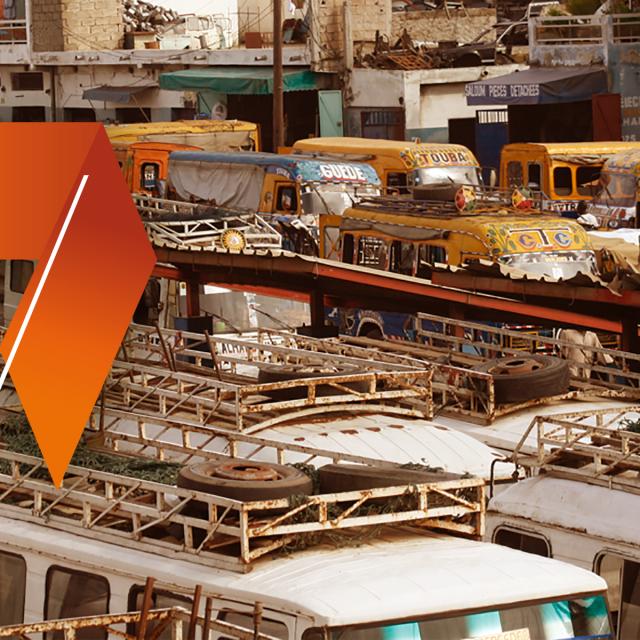
Les villes africaines, en particulier les grandes agglomérations, sont marquées depuis la 2ème moitié du XXème siècle par une croissance démographique et spatiale sans précédent, ce qui accroit les besoins de mobilité pour relier des lieux de plus en plus éloignés. Il s’agira durant le cours, dans un premier temps, de documenter le contexte de mobilité dans les villes africaines.

Nov 9th 2026
5-12 Weeks
Revolutionary Ideas: Borders, Elections, Constitutions, Prisons (Coursera) Coursera
Rutgers University

Revolutionary Ideas: Borders, Elections, Constitutions, Prisons (Coursera)

What is the purpose of government? Why should we have a State? What kind of State should we have? Even within a political community, there may be sharp disagreements about the role and purpose of government. Some want an active, involved government, seeing legal and political institutions as the means to solve our most pressing problems, and to help bring about peace, equality, justice, happiness, and to protect individual liberty.

Nov 16th 2026
5-12 Weeks
Reclaiming the Street for Livable Urban Spaces (Coursera) Coursera
University of Amsterdam,EIT Urban Mobility

Reclaiming the Street for Livable Urban Spaces (Coursera)

In Reclaiming the Street, you will learn about the mechanisms of change and challenges you to apply this knowledge to start creating vibrant streetscapes in your neighbourhood. This six week course will guide you through seminal academic work on the topics of transition management and street experiments while providing practical insights from practitioners from around the world. A final peer-reviewed project integrates key takeaways from each module of this course to help you write an actionable plan for change.

Nov 9th 2026
5-12 Weeks
Global Strategy I: How The Global Economy Works (Coursera) Coursera
University of Illinois at Urbana-Champaign

Global Strategy I: How The Global Economy Works (Coursera)

This course seeks to help you understand the forces of globalization and how cross-cultural management and the relationship of a multinational organization to various host countries is becoming more and more critical in today’s global economy. This course begins with the discussion of these issues and global relationships and delves into a deeper understanding of business strategy in today’s global business marketplace.

Nov 9th 2026
4 Weeks
Pathways to Civic Engagement (Coursera) Coursera
University of North Texas

Pathways to Civic Engagement (Coursera)

This course will examine the various ways that individuals engage in a democratic society during the 21st century. Students reflect on their involvement, and sense of responsibility to something beyond individual pursuits, and how they can make a difference within the various contexts of neighborhoods, communities, nationally and globally.

Nov 16th 2026
4 Weeks
Afrique et mondialisation, regards croisés (Coursera) Coursera
Sciences Po

Afrique et mondialisation, regards croisés (Coursera)

Au-delà des relations internationales classiques, le processus de mondialisation mobilise quantité d'acteurs économiques, sociaux et culturels, individuels et collectifs, qui agissent dans l'espace mondial. Nous étudions ensemble, Africains, Latino-américains et Européens, comment il en dérive de nouvelles relations internationales. Ce cours prend sa source dans les approches sociologique et historique françaises des relations internationales, comme celles promues en Afrique et en Amérique latine.

Nov 9th 2026
5-12 Weeks