Psicología (Coursera)

Psicología (Coursera)

¿Qué estudia la psicología? ¿Qué hacen los psicólogos? ¿La conciencia, qué es? ¿Y el estrés? ¿Cómo aprendemos? La sensación y la percepción ¿son lo mismo? ¿El lenguaje depende de las ideas? ¿O será que nuestro pensamiento es dependiente del lenguaje que hablamos? ¿Querés conocer las respuestas a estos interrogantes? En este curso de Psicología podrás explorar sobre todo esto y mucho más. Al culminar su recorrido no solo vas a haber aprendido sobre las bases del cautivante mundo de la psicología, sino que contarás con herramientas que te permitirán conocerte mejor.

Class Deals by MOOC List - Click here and see Coursera's Active Discounts, Deals, and Promo Codes.

Los objetivos generales de este curso son:
• Reconocer hitos en el desarrollo de la psicología, sus distintos temas de estudio, y ámbitos de ejercicio profesional.
• Identificar las principales corrientes de pensamiento psicológico, reconociendo sus características fundamentales.
• Identificar y comprender el funcionamiento de los procesos psicológicos básicos.
• Conocer el desarrollo evolutivo vital del ser humano y de la familia.

Course 1 of 5 in the Psicología Specialization.

Syllabus

WEEK 1
La diversidad en psicología y teorías psicológicas actuales
¿Es la psicología una sola? ¿O son varias? ¿Qué temas estudia? ¿Qué tareas desenvuelve un psicólogo o psicóloga? En las lecciones que componen este módulo desarrollaremos una introducción a la psicología como disciplina, para que puedas responder a los interrogantes anteriores. Además, advertirás cómo distintas teorías psicológicas actuales plantean abordajes diferentes en torno a los temas que estudian, para que puedas reconocer la diversidad que existe dentro de este fascinante campo.

WEEK 2
Conciencia, emoción y aprendizaje
A lo largo de esta semana, explorarás procesos psicológicos y emociones humanas sumamente interesantes. ¿Qué es la conciencia? ¿Tiene un solo significado? ¿Siempre ha sido importante su estudio para la psicología? ¿Qué características tienen el soñar y el dormir? ¿Qué es la motivación? ¿De qué estudios disponemos para entenderla mejor? ¿Qué es el estrés? ¿Existe una sola forma de explicarlo? ¿Cómo aprendemos? Estas son algunas de las preguntas que podrás comenzar a responder a lo largo de esta segunda semana del curso. Te invitamos a dar inicio a la primera lección. Confiamos en que cuando acabe este módulo tendrás herramientas que te permitirán conocerte mejor.

WEEK 3
Percepción, memoria e inteligencia
Sensación y percepción ¿son sinónimos? ¿Qué características tienen estos procesos? ¿Cómo se ponen en juego en tus actividades cotidianas? ¿Qué importancia tiene la memoria en la vida de las personas? ¿Existen diferentes tipos de memoria? ¿Qué es la inteligencia? ¿Hay un solo modo de definirla? ¿De qué maneras se estudia la creatividad? Además de ofrecerte herramientas para poder responder a estas preguntas, el recorrido de esta tercera semana del curso te propondrá actividades para que pongas en juego tu percepción y memoria. ¡Te invitamos a comenzar!

WEEK 4
Lenguaje, pensamiento y desarrollo vital
Esta semana te sumergirás en el intrigante mundo del lenguaje y el pensamiento. Vas a poder reflexionar sobre la relación entre ellos desde distintos puntos de vista teóricos: ¿El lenguaje depende del pensamiento? ¿O el pensamiento del lenguaje? También vas a recorrer el desarrollo evolutivo del ser humano (¿Cómo se desarrolla la personalidad?) y de la familia (desde la etapa de formación de la pareja hasta la de la familia con hijos adultos). ¿Estás preparado para iniciar este último tramo del recorrido?


Go to Class
MOOC List is learner-supported. When you buy through links on our site, we may earn an affiliate commission.

Related Courses

Foundations of Teaching for Learning: Introduction to Student Assessment (Coursera) Coursera
Commonwealth Education Trust

Foundations of Teaching for Learning: Introduction to Student Assessment (Coursera)

The Foundations of Teaching for Learning programme is for anyone who is teaching, or who would like to teach, in any subject and any context - be it at school, at home or in the workplace. With dynamic lessons taught by established and respected professionals from across the Commonwealth, this eight course programme will see you develop and strengthen your skills in teaching, professionalism, assessment, and more. As you carry on through the programme, you will find yourself strengthening not only your skills, but your connection with colleagues across the globe. A professional development opportunity not to be missed.

Nov 16th 2026
5-12 Weeks
Foundations of Teaching for Learning: Planning for Teaching and Learning (Coursera) Coursera
Commonwealth Education Trust

Foundations of Teaching for Learning: Planning for Teaching and Learning (Coursera)

The Foundations of Teaching for Learning programme is for anyone who is teaching, or who would like to teach, in any subject and any context - be it at school, at home or in the workplace. With dynamic lessons taught by established and respected professionals from across the Commonwealth, this eight course programme will see you develop and strengthen your skills in teaching, professionalism, assessment, and more. As you carry on through the programme, you will find yourself strengthening not only your skills, but your connection with colleagues across the globe. A professional development opportunity not to be missed.

Nov 16th 2026
5-12 Weeks
Foundations of Teaching for Learning: Learners and Learning (Coursera) Coursera
Commonwealth Education Trust

Foundations of Teaching for Learning: Learners and Learning (Coursera)

The Foundations of Teaching for Learning programme is for anyone who is teaching, or who would like to teach, in any subject and any context - be it at school, at home or in the workplace. With dynamic lessons taught by established and respected professionals from across the Commonwealth, this eight course programme will see you develop and strengthen your skills in teaching, professionalism, assessment, and more.

Nov 16th 2026
5-12 Weeks
De-Mystifying Mindfulness (Coursera) Coursera
Leiden University

De-Mystifying Mindfulness (Coursera)

Interest in meditation, mindfulness, and contemplation has grown exponentially in recent years. Rather than being seen as mystical practices from ancient Buddhism or esoteric philosophy, they are increasingly seen as technologies rooted in evidence from psychology and neuroscience. Mindfulness has become the basis for numerous therapeutic interventions, both as a treatment in healthcare and as a means of enhancing well-being and happiness. For millions around the world, mindfulness has become a life-style choice, enhancing and enriching everyday experience. Mindfulness is big business.

Nov 23rd 2026
5-12 Weeks
Input and Interaction (Coursera) Coursera
University of California, San Diego

Input and Interaction (Coursera)

In this course, you will learn relevant fundamentals of human motor performance, perception, and cognition that inform effective interaction design. You will use these models of how people work to design more effective input and interaction techniques. You’ll apply these to both traditional graphic and gestural interfaces.

Nov 16th 2026
3 Weeks
Music as Biology: What We Like to Hear and Why (Coursera) Coursera
Duke University

Music as Biology: What We Like to Hear and Why (Coursera)

The course will explore the tone combinations that humans consider consonant or dissonant, the scales we use, and the emotions music elicits, all of which provide a rich set of data for exploring music and auditory aesthetics in a biological framework. Analyses of speech and musical databases are consistent with the idea that the chromatic scale (the set of tones used by humans to create music), consonance and dissonance, worldwide preferences for a few dozen scales from the billions that are possible, and the emotions elicited by music in different cultures all stem from the relative similarity of musical tonalities and the characteristics of voiced (tonal) speech.

Nov 16th 2026
5-12 Weeks
Social Norms, Social Change II (Coursera) Coursera
University of Pennsylvania

Social Norms, Social Change II (Coursera)

This course covers scripts and schemas, the cognitive structures in which social expectations are embedded, and their relationship with social norms. The course then examines the essentials of norm abandonment, including the relations between personal beliefs and social expectations. We will also evaluate existing intervention strategies, including legal reforms, information campaigns, economic incentives, and group deliberations.

Nov 16th 2026
4 Weeks
Understanding the Brain: The Neurobiology of Everyday Life (Coursera) Coursera
University of Chicago

Understanding the Brain: The Neurobiology of Everyday Life (Coursera)

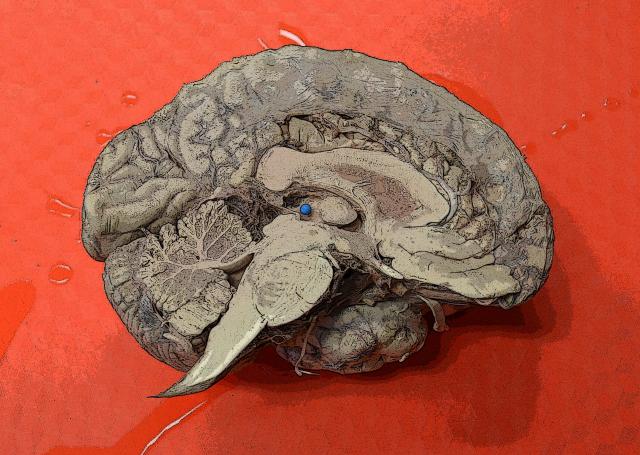
Learn how the nervous system produces behavior, how we use our brain every day, and how neuroscience can explain the common problems afflicting people today. We will study functional human neuroanatomy and neuronal communication, and then use this information to understand how we perceive the outside world, move our bodies voluntarily, stay alive, and play well with others.

Nov 16th 2026
5-12 Weeks
Artificial Intelligence (AI) Education for Teachers (Coursera) Coursera
Macquarie University

Artificial Intelligence (AI) Education for Teachers (Coursera)

Today’s learners need to know what artificial intelligence (AI) is, how it works, how to use it in their everyday lives, and how it could potentially be used in their future. Using AI requires skills and values which extend far beyond simply having knowledge about coding and technology. This course is designed by teachers, for teachers, and will bridge the gap between commonly held beliefs about AI, and what it really is. AI can be embedded into all areas of the school curriculum and this course will show you how. This course will appeal to teachers who want to increase their general understanding of AI, including why it is important for learners; and/or to those who want to embed AI into their teaching practice and their students’ learning.

Nov 16th 2026
5-12 Weeks
The Social Context of Mental Health and Illness (Coursera) Coursera
University of Toronto

The Social Context of Mental Health and Illness (Coursera)

Learn how social factors promote mental health, influence the onset and course of mental illness, and affect how mental illnesses are diagnosed and treated. This course explores how our understanding of mental health and illness has been influenced by social attitudes and social developments in North America and around the world. The course begins by situating our contemporary mental health practices in historical context, then looks at different aspects of mental health, mental illness and mental health services and their connections to what’s going on in our social environment.

Nov 9th 2026
5-12 Weeks
Explore Management Concepts through Metaphor and Music (Coursera) Coursera
University of London

Explore Management Concepts through Metaphor and Music (Coursera)

How can exploring and analysing music and metaphors help us to better understand management, work organisations, working lives, and ultimately ourselves too? As you set out on your journey through this innovative course, the answers to these questions will be revealed. Through the lens of metaphor and music, you will be introduced to core managerial and organisational concepts and theories. You will explore issues related to, for example: organisational and work design; motivation and productivity; employee voice; careers; and management and leadership styles.

Nov 16th 2026
3 Weeks