Medical Terminology III (Coursera)

Offered by Rice University,
Medical Terminology III (Coursera)

This final course finishes the comprehensive examination of medical terminology by introducing new roots, terms, and abbreviations related to the remaining body systems: nervous (brain, spinal cord, and nerves) and special senses (eyes and ears), digestive, and reproductive.

Class Deals by MOOC List - Click here and see Coursera's Active Discounts, Deals, and Promo Codes.

Course 3 of 3 in the Medical Terminology Specialization.

Syllabus

WEEK 1
Welcome to Medical Terminology Part 3
This module is the introduction to the course that will cover the brain, nerves, senses, digestion, and reproduction.
Nervous System
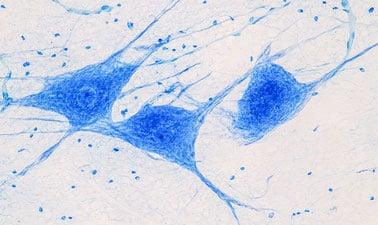
Welcome to the nervous system module! This module will introduce you to medical terms related to the brain, spinal cord, and nerves. Following the SOAP note format, we will look at common complaints, tests, diagnoses, and treatments used in neurology, psychology, and psychiatry. Let's get started with medical terms for the nervous system. Buckle up...

WEEK 2
Special Senses
Welcome to the special senses module. This module will introduce you to medical terms related to the special senses: specifically, the eye and ear. Following the SOAP note format, we will look at common complaints, tests, diagnoses, and treatments used in ophthalmology and otolaryngology. Now let's use those senses to "watch" and "listen" to medical terms pertaining to vision and hearing...

WEEK 3
Digestive System
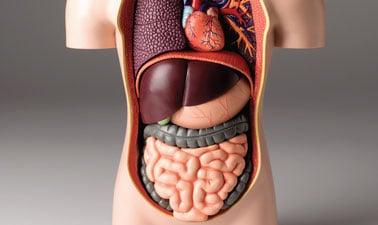
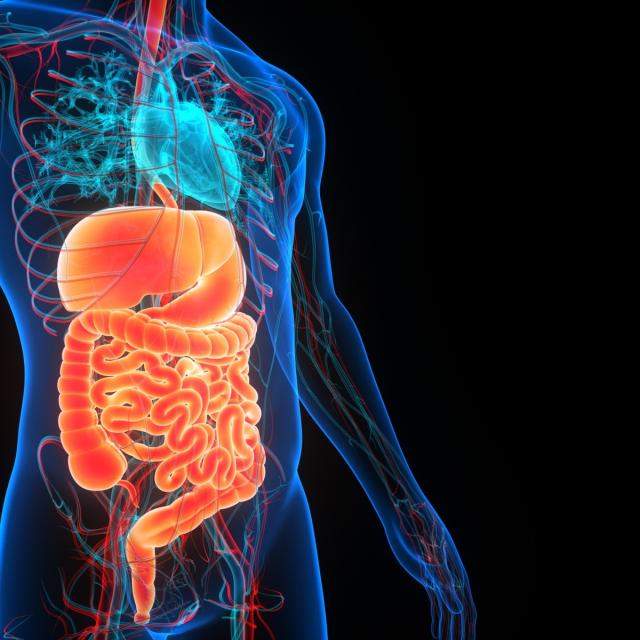
Welcome to the digestive system module. This module will introduce you to medical terms related to the mouth, esophagus, stomach, intestines, and accessory organs like the liver, gallbladder, and pancreas. Following the SOAP note format, we will look at common complaints, tests, diagnoses, and treatments used in gastroenterology. I will let you "digest" the material in this module. Bon appetite!

WEEK 4
Reproductive System
Welcome to the final module with new content: the reproductive system! This module will introduce you to medical terms related to the male and female reproductive organs. Following the SOAP note format, we will look at common complaints, tests, diagnoses, and treatments used in andrology, obstetrics, and gynecology. Now let's see how well you can "reproduce" this module's contents on your upcoming assessments...
Course Final Assessment and Specialization Conclusion
Well, you've done it! With this final module, we have finished the race, landed the plane, completed the specialization. Before we celebrate, these is still one more exam to do. There should be no surprises, beside your surprise at how much you've learned! Finish strong...

Go to Class
MOOC List is learner-supported. When you buy through links on our site, we may earn an affiliate commission.

Related Courses

Neuropsychology (saylor.org) Saylor Academy
Saylor.org

Neuropsychology (saylor.org)

How does the brain function? How does it interact with the body in order to control and mediate behaviors and actions? Though psychologists have long studied these questions, the workings of the brain remain, in large part, a mystery. In this course, we will explore the field of psychology devoted to the pursuit of these questions: neuropsychology or the study of the structure and function of the brain as it relates to psychological processes.

Legacy Course
Self-Paced
Alimentación: la relación entre la comida, el intestino y el cerebro (FutureLearn) FutureLearn
EIT Food,EIT,University of Turin

Alimentación: la relación entre la comida, el intestino y el cerebro (FutureLearn)

El intestino y el cerebro están muy estrechamente vinculados. Averigüe cómo afecta la dieta a su cerebro y cómo afecta el cerebro a su dieta. En los últimos años, la importancia del vínculo entre el intestino y el cerebro ha quedado patente. En este curso explorará esta compleja relación.

Jan 3rd 2022
5-12 Weeks
Human Reproduction (edX) EdX
University of Adelaide,AdelaideX

Human Reproduction (edX)

Let’s talk about all things relating to human reproduction - from puberty to menopause, to fertility and contraception. In this foundational course, you will learn about human reproduction by exploring the underlying biology, the most common myths, and the latest medical advances. To help you understand the realities of making babies, having babies, and not having babies, we have pulled together a team of expert instructors that includes world-renowned researchers from the Robinson Research Institute.

Self Paced
Self-Paced
Anatomy: Human Neuroanatomy (Coursera) Coursera
University of Michigan

Anatomy: Human Neuroanatomy (Coursera)

In this anatomy course, part of the Anatomy Specialization, you will be introduced to the central and peripheral nervous systems. You will learn about basic neuroanatomy, sensory pathways, motor pathways and the autonomic nervous system. The course includes illustrated lecture videos and quizzes to help you expand and test your knowledge of the nervous system.

Jul 27th 2026
5-12 Weeks
The Human Body's Communication Systems (Coursera) Coursera
MedCerts

The Human Body's Communication Systems (Coursera)

In this course on The Human Body's Communication Systems, you will learn about the wonderful diversity of the nervous and endocrine systems and the medical language that is used to describe these systems. Throughout each Lesson, the roots of terms are explained to help students understand how medical terminology works in healthcare and to increase their knowledge and understanding of the material discussed.

Jul 27th 2026
3 Weeks
Myocardial Infarction (Coursera) Coursera
University of Zurich

Myocardial Infarction (Coursera)

Cardiovascular diseases are – according to the (World Health Organization (WHO) – the number one cause of death globally. Myocardial infarction (heart attack) is the most prominent under the Cardiovascular diseases. In Switzerland alone, the risk to develop a coronary heart disease during life time is around 25% for men and 18% for women. Most cardiovascular diseases can be prevented by addressing behavioral risk factors, the understanding of these risk factors, their mechanisms and impact on the cardiovascular system.

Aug 3rd 2026
5-12 Weeks