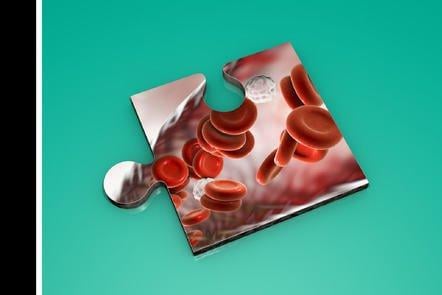
Physiology: the Science of Life (FutureLearn)

Physiology: the Science of Life (FutureLearn)

Get an introduction to human physiology and the amazing systems in our bodies that keep us alive. Physiology is the study of normal function within living things. It examines and explains how organisms, organs and cells carry out the chemical and physical processes that keep us going.

Class Deals by MOOC List - Click here and see FutureLearn's Active Discounts, Deals, and Promo Codes.

This course, in partnership with the Physiological Society, will take you beneath the surface of three key physiological systems - respiratory, cardiovascular and nervous - allowing you to explore the discipline of physiology.
You will also examine some of the practical uses of physiology and consider the exciting career opportunities available if you study physiology.

What topics will you cover?

Week 1 - The Respiratory System
Week 2 - The Cardiovascular System
Week 3 - The Nervous System

What will you achieve?
By the end of the course, you'll be able to...

  • Describe the cardiac cycle (atrial systole, ventricular systole and diastole) and relate the structure and operation of the mammalian heart to its function, including the major blood vessels.
  • Describe the roles of the sinoatrial node (SAN), the atrioventricular node (AVN) and the bundle of His, and how the use of electrocardiograms (ECGs) can aid the diagnosis of cardiovascular disease (CVD) and other heart conditions.
  • Explain how variations in ventilation & cardiac output enable rapid delivery of oxygen removal of carbon dioxide to tissue, including how the heart rate and ventilation rate are controlled, and the roles of the cardiovascular control & ventilation centres
  • Describe how to investigate the effects of exercise on tidal volume and breathing rate using data from spirometer traces.
  • Describe how a nerve impulse (action potential) is conducted along an axon including changes in membrane permeability to sodium and potassium ions and the role of the nodes of Ranvier.

Go to Class
MOOC List is learner-supported. When you buy through links on our site, we may earn an affiliate commission.

Related Courses

Causes of Human Disease: Exploring Cancer and Genetic Disease (FutureLearn) FutureLearn
University of Leeds

Causes of Human Disease: Exploring Cancer and Genetic Disease (FutureLearn)

Explore how the unravelling of genetic code has led to a deeper understanding of genetic diseases and cancer. It’s widely known that some diseases run in families. The discovery of the structure of DNA and the unravelling of the genetic code has led to a deeper understanding of such diseases. We now know more about the genetic basis of cancer and how cancer cells are formed and reproduce. On this course you’ll explore the structure of DNA, its processes and learn how genetic disease results from DNA alterations.

Self Paced
2 Weeks
Exercise Prescription for the Prevention and Treatment of Disease (FutureLearn) FutureLearn
Trinity College Dublin

Exercise Prescription for the Prevention and Treatment of Disease (FutureLearn)

Learn how physical exercise can help patients including those with cardiovascular disease, mental health problems and cancer. In the last few decades physical exercise has become well established as a tool to prevent and treat disease. Perceptions within the healthcare sector of exercise and its prescription as a treatment have changed dramatically in recent years.

Self Paced
2 Weeks
TARGET Antibiotics – Prescribing in Primary Care (FutureLearn) FutureLearn
British Society for Antimicrobial Chemotherapy - BSAC,TARGET

TARGET Antibiotics – Prescribing in Primary Care (FutureLearn)

Helping primary care professionals to target the use of antibiotics to reduce antimicrobial resistance. Discover ideas about how to optimise prescribing in Primary Care. Antimicrobial resistance is a growing problem and everyone can play a part in tackling this issue. This course will look at many aspects of antibiotic prescribing in Primary Care from prescribing for urinary tract infections through to managing patient expectations.

Self Paced
5-12 Weeks
Introduction to Health Technology Assessment (FutureLearn) FutureLearn
University of Glasgow

Introduction to Health Technology Assessment (FutureLearn)

Learn about health technology assessment (HTA) and quality of life (QoL), and how they’re used to decide which treatments to fund. Get an introduction to health technology assessment (HTA). This online course provides a short, interactive introduction to health technology assessment (HTA), based on the University of Glasgow’s successful online distance-learning programme, the MSc in HTA.

Self Paced
3 Weeks
OPAT: Outpatient Parenteral Antimicrobial Therapy (FutureLearn) FutureLearn
British Society for Antimicrobial Chemotherapy - BSAC

OPAT: Outpatient Parenteral Antimicrobial Therapy (FutureLearn)

Learn how patients with a serious infection can be managed in outpatient settings with the help of an OPAT service. Discover the function, role and limitations of an OPAT service. OPAT is a clinical service which enables patients with serious infection to be managed in an outpatient setting. The service aims to facilitate admission avoidance or early hospital discharge. On this course, you will be introduced to the concept of OPAT. You’ll start by looking at the roles and responsibilities within the multi-disciplinary OPAT team.

Self Paced
2 Weeks
Health and Wellbeing in the Ancient World (FutureLearn) FutureLearn
The Open University

Health and Wellbeing in the Ancient World (FutureLearn)

Use literary and archaeological evidence to see how ancient Greeks and Romans approached health, well-being and societal issues. What did being healthy in ancient Rome or Greece look like? How can we tell what well-being meant in ancient times? This online course will help you investigate these questions, using both literary and archaeological evidence, to uncover details of real life in ancient societies.

Self Paced
5-12 Weeks
Improving Health Assessments for People with an Intellectual Disability (FutureLearn) FutureLearn
Trinity College Dublin,EIT Health

Improving Health Assessments for People with an Intellectual Disability (FutureLearn)

Learn how to improve healthcare for people with intellectual disabilities with this course for healthcare professionals. Detecting poor health and supporting people with an intellectual disability in managing their health can be challenging for healthcare professionals. During this course, you will gain valuable knowledge that you can transfer into your daily practice on how to include people with an intellectual disability in health assessments.

Self Paced
3 Weeks
Causes of Human Disease: Understanding Cardiovascular Disease (FutureLearn) FutureLearn
University of Leeds

Causes of Human Disease: Understanding Cardiovascular Disease (FutureLearn)

Explore normal cardiovascular function and risk factors associated with heart attack, stroke and other cardiovascular diseases. Cardiovascular diseases are the leading global cause of death. On this course, you’ll learn how the cardiovascular system functions and understand common cardiovascular diseases like heart attack and stroke, as well as the risk factors associated with them.

Self Paced
2 Weeks
Understanding Anxiety, Depression and CBT (FutureLearn) FutureLearn
University of Reading

Understanding Anxiety, Depression and CBT (FutureLearn)

Improve your understanding of depression and anxiety and find out more about an effective and evidence-based treatment: CBT. Anxiety and depression are terms discussed widely, in different media and amongst family and friends. But what do those labels actually mean? On this five week course, from the University of Reading, you will explore what it means to have anxiety or depression and how they are identified.

Self Paced
5-12 Weeks
Introduction to Critical Care Medicine (FutureLearn) FutureLearn
University of Glasgow

Introduction to Critical Care Medicine (FutureLearn)

Learn how to handle complex issues faced in Critical Care Units when other options on the ward have been exhausted. Learn how to manage common presentations seen in Critical Care Units. Critical care is an emerging specialty in hospitals and, with an increasing population living with multiple co-morbidites, the burden on Critical Care Units is rising. In this course, find out about the common presentations seen in a Critical Care Unit and how to manage them effectively.

Self Paced
3 Weeks