Human Anatomy (saylor.org)

Offered by Saylor.org,
Human Anatomy (saylor.org)

This course will provide you with an overview of the body from a systemic perspective. Each unit will focus on one system, or network of organs that work together to perform a particular function.

A thorough understanding of the systems of the body and the ways in which they fit together is imperative for study in many fields of biological inquiry, including medicine, physiology, developmental studies, and biological anthropology. This course will provide you with an overview of the body from a systemic perspective. Each unit will focus on one system, or network of organs that work together to perform a particular function. At the end of this course, we will review the body from an integrative perspective, creating a more realistic vision of the ways in which the systems overlap. We will also discuss current body imaging techniques and learn how to correctly interpret the images in order to put our newly-gained anatomical knowledge to practical use.
Upon successful completion of this course, the student will be able to:

  • Identify gross and microscopic anatomy and explain interactions of the major organ systems in the human body.
  • Perform and analyze experiments in human anatomy (virtual).
  • Use language necessary to appropriately describe human anatomy.
  • Explain and identify how structure and function complement each other.
  • Describe how anatomy relates to medical situations in healthy and diseased states.

Go to Class
MOOC List is learner-supported. When you buy through links on our site, we may earn an affiliate commission.

Related Courses

Anatomy: Gastrointestinal, Reproductive and Endocrine Systems (Coursera) Coursera
University of Michigan

Anatomy: Gastrointestinal, Reproductive and Endocrine Systems (Coursera)

In this anatomy course, part of the Anatomy Specialization, you’ll learn about the various digestive, endocrine, and reproductive organs, their functions, and pathways of nerves and blood vessels serving these organs. Clinical correlations and vignettes will be used to highlight the importance of these anatomical structures and their relationships. Images and videos from cadaveric and artistic materials will be used to illustrate these concepts.

Jul 27th 2026
3 Weeks
Your Body Inside and Out: Using Exercise Physiology to Slow Aging (edX) EdX
Stanford University,StanfordOnline

Your Body Inside and Out: Using Exercise Physiology to Slow Aging (edX)

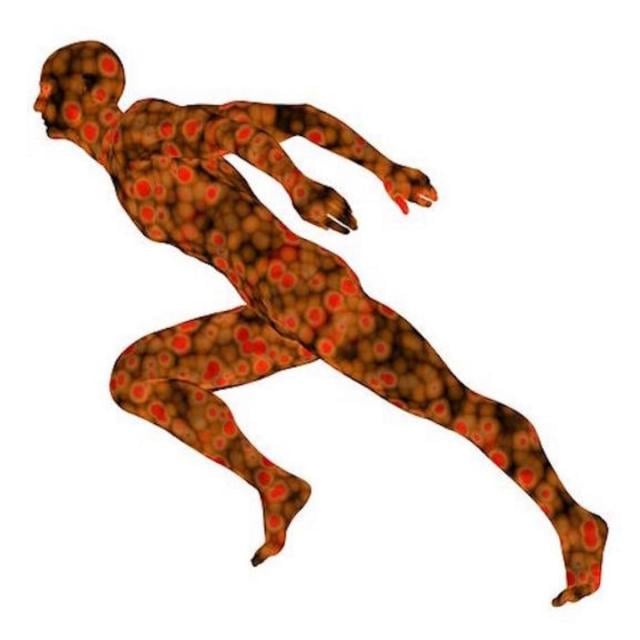
This online class will present the latest scientific information on the interaction between aging and physical activity. In an approachable style, you will learn how your physiology changes with age and how different types of movement can impact that trajectory of aging. Physical activity is a powerful medicine and you will learn how to harness its benefits to improve your health and wellness throughout the lifespan. Whether you are new to exercise or a life-long athlete, this class will open your eyes to the amazing systems within your body and help you strategize on activities that fit your goals for a healthy life.

Self Paced
5-12 Weeks
Fundamentos de anatomía y técnica quirúrgica básica (edX) EdX
Universidad del Rosario,URosarioX

Fundamentos de anatomía y técnica quirúrgica básica (edX)

Aprende de una manera creativa y divertida cómo está constituido el cuerpo humano a través de casos clínicos seleccionados basados en hechos históricos reales. Además conocerás las bases anatómicas para la práctica de algunos procedimientos de emergencias que pueden llegar a salvar vidas.

Self Paced
Self-Paced
Mini Medical School: Introduction to Medical Science (FutureLearn) FutureLearn
University of Colorado System

Mini Medical School: Introduction to Medical Science (FutureLearn)

Discover the science underpinning modern medical practice today and how to maintain and promote good physical and mental health. Master the basics of medicine with the University of Colorado School of Medicine. This three-week course offers you a fascinating and informative introduction to modern medicine.

Self Paced
3 Weeks
What Is the Body? (FutureLearn) FutureLearn
University of Aberdeen

What Is the Body? (FutureLearn)

Get an introduction to different human body parts and their functions, from organ systems to cell structure and tissues. Explore how your body works through the study of body anatomy. How does the body work? What is it made of? What are the different parts of the human body and what are their functions? From cells to organ systems, this course will introduce you to the basic components that make up the human body.

Self Paced
3 Weeks
Developing the SIR Model (Coursera) Coursera
Imperial College London

Developing the SIR Model (Coursera)

Compartmental modelling is a cornerstone of mathematical modelling of infectious diseases and this course will introduce some of the basic concepts in building compartmental models, including how to interpret and represent rates, durations and proportions. You'll learn to place the mathematics to one side and concentrate on gaining intuition into the behaviour of a simple epidemic, and be introduced to further basic concepts of infectious disease epidemiology, such as the basic reproduction number (R0) and its implications for infectious disease dynamics.

Jul 27th 2026
4 Weeks
Cooking for Busy Healthy People (Coursera) Coursera
Stanford University

Cooking for Busy Healthy People (Coursera)

Cooking is one of the most powerful ways in which we can optimize our enjoyment of great quality food while protecting our health. Even on a tight budget, cooking can be a cost-effective, joyful and rewarding way to love the food that will love us back for a lifetime. In this course, you’ll learn some basic recipes from a home cook and two professional chefs who prioritize healthful eating. You’ll also learn some of the fundamentals of principle-based cooking that can help you break free from the chains of having to follow recipes exactly.

Aug 3rd 2026
4 Weeks
Genomics: Decoding the Universal Language of Life (Coursera) Coursera
University of Illinois at Urbana-Champaign

Genomics: Decoding the Universal Language of Life (Coursera)

What is a genome? A genome contains all of the information that a cell needs to develop, function, and reproduce itself, and all the information needed for those cells to come together to form a person, plant, or animal. Genomes contain an organism’s complete set of genes, and also the even tinier genetic structures that help regulate when and how those genes are used. The ability to regrow a torn ligament, the clues that might predict the onset of mental illness, the nutritional potential of crops, and even the history of life itself, are all encoded in genomes. By taking this course, you will discover how scientists are deciphering the language of genomes to learn how to develop sustainable food and fuel supplies, improve disease treatment and prevention, and protect our environment.

Aug 3rd 2026
5-12 Weeks
Human Anatomy: Musculoskeletal Cases (edX) EdX
HarvardX,Harvard University

Human Anatomy: Musculoskeletal Cases (edX)

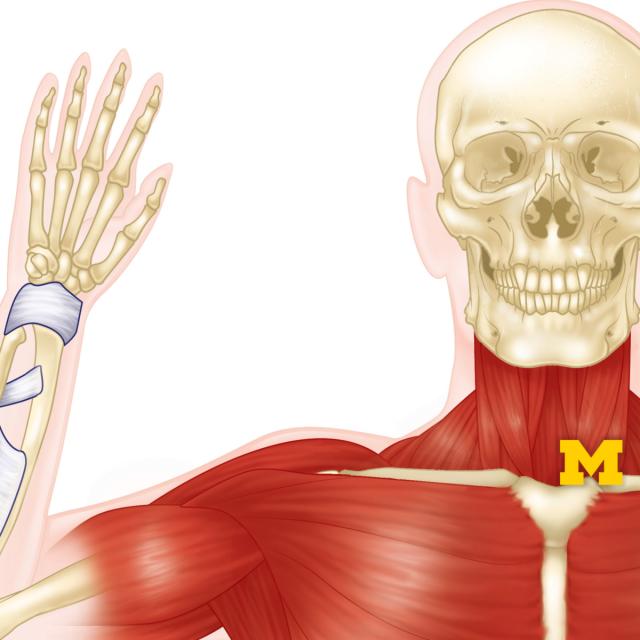
Learn the anatomy basic to understanding five musculoskeletal injuries commonly seen in primary care medicine and orthopedic clinical specialty practice. Follow hypothetical patients from injury to operating room. Human Anatomy: Musculoskeletal Cases invites students to join medical and basic science faculty at Harvard Medical School (HMS) to learn about musculoskeletal injuries commonly seen in clinical practice.

Self Paced
Self-Paced
Voice Disorders: What Patients and Professionals Need to Know (Coursera) Coursera
Icahn School of Medicine at Mount Sinai

Voice Disorders: What Patients and Professionals Need to Know (Coursera)

Knowledge regarding vocal production physiology and management options for voice disorders have experienced rapid growth over the past 40 years. This growth has resulted in a knowledge gap amongst patients and practitioners. Entirely new subspecialties of laryngology under otolaryngology and vocology under speech-language pathology have developed in response to this gap. This MOOC (Massive Open Online Course) is designed to educated patients, allied healthcare providers, vocal trainers/coaches, general medical practitioners and otolaryngologists.

Aug 3rd 2026
5-12 Weeks
Big Data, Genes, and Medicine (Coursera) Coursera
The State University of New York

Big Data, Genes, and Medicine (Coursera)

This course distills for you expert knowledge and skills mastered by professionals in Health Big Data Science and Bioinformatics. You will learn exciting facts about the human body biology and chemistry, genetics, and medicine that will be intertwined with the science of Big Data and skills to harness the avalanche of data openly available at your fingertips and which we are just starting to make sense of.

Aug 3rd 2026
5-12 Weeks