Cooking for Busy Healthy People (Coursera)

Offered by Stanford University,
Cooking for Busy Healthy People (Coursera)

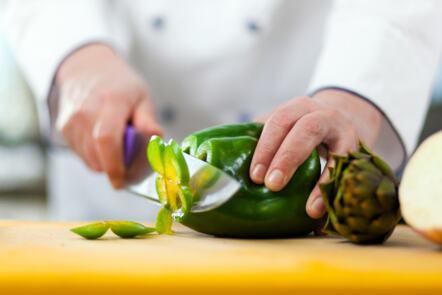
Cooking is one of the most powerful ways in which we can optimize our enjoyment of great quality food while protecting our health. Even on a tight budget, cooking can be a cost-effective, joyful and rewarding way to love the food that will love us back for a lifetime. In this course, you’ll learn some basic recipes from a home cook and two professional chefs who prioritize healthful eating. You’ll also learn some of the fundamentals of principle-based cooking that can help you break free from the chains of having to follow recipes exactly.

Class Deals by MOOC List - Click here and see Coursera's Active Discounts, Deals, and Promo Codes.

Better health and creative expression lie in the ability to improvise in the kitchen, using whatever is available to make tasty, simple meals. We can’t wait to welcome you into our kitchens in this mouth-watering course! Here’s to your health and the home cooking that can support it!
Special thanks to course contributors: Israel Garcia, Jacopo Bene, Jesper Baanghaell, Sejal Parekh, William Bottini, Perry Pickert and Friday Films

What You Will Learn

  • Learn how to cook using a principle-based approach so that you can make healthy food with whatever is available in your kitchen and in your region.
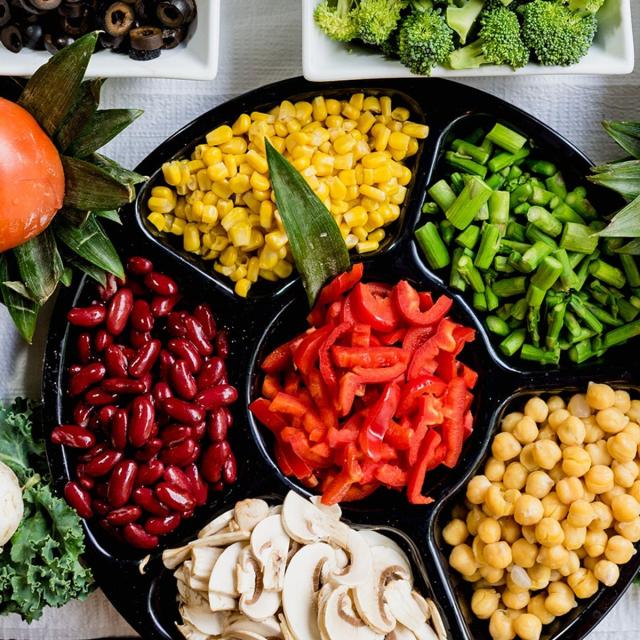
  • Learn how to prepare plant-forward meals that will delight you and protect your health.
  • Make it easier to cook regularly, by having the right ingredients on hand.

Course 3 of 3 in the Food Sustainability, Mindful Eating, and Healthy Cooking Specialization

Syllabus

WEEK 1
Foundations for Healthy Cooking
In this module we will prepare to get cooking by defining a set of key, basic ingredients that will allow you to cook more frequently, using whatever you have on hand. We’ll also learn how to apply principle-based cooking to the creation of flexible meals, instead of being overly tied down by recipes. We’ll also learn how to shop for and store vegetables in ways that help you to eat more of them! Let’s get started!

WEEK 2
Cooking with Maya
In this module, we’ll be cooking some of my favorite recipes - including some healthy dessert options! Desserts are often a challenge for people like me who love dessert but want to stay healthy. So, in this collection, I’ve tried to complement the other recipes in this course [the savory recipes in modules 3 and 4] with some of my favorite desserts. I’ll also show you how to make some delicious, savory breakfasts and how to make a single chicken last for three great, wholesome meals. Good for you and good for the environment! Come and cook with me?

WEEK 3
Cooking with Israel Garcia
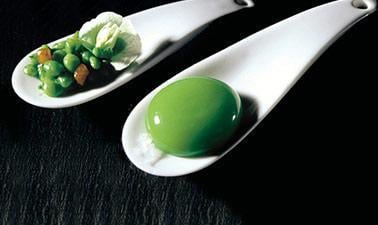
In this module, you’ll get to meet Chef Israel Garcia and we’ll be cooking some plant-based recipes with this dynamic Mexican chef. He won’t be using any meat in his meals, but they are packed with nutrition and flavor! After watching Chef Israel’s recipes, you’ll choose one to cook yourself - or adapt one of them using locally available ingredients. We can’t wait to see what you make!
WEEK 4
Cooking with Jacopo Beni
In this module, you’ll get to meet Chef Jacopo Beni and we’ll be cooking some traditional, seasonal comfort food with this innovative Italian chef. He will be using moderate amounts of meat and fish in his meals, but if you’re vegetarian, please feel free to substitute! After watching Chef Jacopo’s recipes, you’ll choose one to cook yourself - or adapt one of them using locally available ingredients. We can’t wait to see what you make!
Go to Class
MOOC List is learner-supported. When you buy through links on our site, we may earn an affiliate commission.

Related Courses

Building a Healthy Plate (Coursera) Coursera
Tufts University

Building a Healthy Plate (Coursera)

In a world of conflicting nutrition messages, how do we know which foods are good for us? What are the components of a healthy dietary pattern and why does it matter? Throughout this mini course, we explore the relationship between diet and health by examining the eating patterns that have been shown to prevent chronic diet-related conditions.

Aug 3rd 2026
4 Weeks
Genomics: Decoding the Universal Language of Life (Coursera) Coursera
University of Illinois at Urbana-Champaign

Genomics: Decoding the Universal Language of Life (Coursera)

What is a genome? A genome contains all of the information that a cell needs to develop, function, and reproduce itself, and all the information needed for those cells to come together to form a person, plant, or animal. Genomes contain an organism’s complete set of genes, and also the even tinier genetic structures that help regulate when and how those genes are used. The ability to regrow a torn ligament, the clues that might predict the onset of mental illness, the nutritional potential of crops, and even the history of life itself, are all encoded in genomes. By taking this course, you will discover how scientists are deciphering the language of genomes to learn how to develop sustainable food and fuel supplies, improve disease treatment and prevention, and protect our environment.

Aug 3rd 2026
5-12 Weeks
Introduction to Food Science (FutureLearn) FutureLearn
Queen’s University Belfast,EIT Food,EIT

Introduction to Food Science (FutureLearn)

Discover the fascinating world of food science and feel empowered to make safe, healthy, and sustainable food choices. Discover topics like food sustainability, integrity, ethics, and constituents. Food and health information is often oversimplified by the media, and recommendations can be inaccurately reported and contradictory to current recommendations.

Jan 2nd 2023
4 Weeks
Introduction To Food & Health (edX) EdX
StanfordOnline

Introduction To Food & Health (edX)

This CME activity provides a practical approach to supporting healthy eating for a variety of medical needs. Through the use of didactic videos, animated cases, and interactive activities course participants will gain proficiency in recommending well-established nutritional practices and assessing barriers to healthy eating for patients and physicians alike.

Self Paced
Self-Paced
Food Safety and Personal Hygiene in a Professional Kitchen (FutureLearn) FutureLearn
International Culinary Studio

Food Safety and Personal Hygiene in a Professional Kitchen (FutureLearn)

Develop processes to maintain the required standards of food safety and personal and workplace hygiene in a professional kitchen. Gain the skills to handle food from start to finish in a safe and hygienic way. Hygiene is so important in food preparation. If caterers, chefs and wait staff are not adequately trained they can present huge health risks to the community. On this course from the International Culinary Studio (ICS), you’ll learn why food safety matters and develop the confidence and skills to prepare and present food to the highest standards of hygiene and safety.

Self Paced
2 Weeks
Introduction to Lifestyle Medicine (edX) EdX
DoaneX,Doane University

Introduction to Lifestyle Medicine (edX)

Gain a basic understanding of the main components of lifestyle medicine as well as the importance of using the coach approach when counseling patients about behavior change. Lifestyle factors including poor nutrition and physical inactivity are critical determinants of health, causing a pandemic of chronic diseases, premature death and unsustainable healthcare costs. Currently, 50 percent of Americans live with one or more chronic illnesses in which diet, exercise and stress play a key role.

Self Paced
Self-Paced
Agir pour sa santé ! (FUN) FUN
Université de Liège

Agir pour sa santé ! (FUN)

Etre en bonne santé, ce n’est pas un secret, ça nous permet de profiter plus longtemps d’une vie de qualité. Mais pour rester en bonne santé, il faut agir et ce n’est pas qu’une question de motivation! Il existe des dizaines de comportements de santé : mettre de la crème solaire, manger sainement, porter un casque à vélo, boire régulièrement de l’eau, ou encore pratiquer une activité physique régulière. Mais qu’est-ce qui explique que nous réalisons certaines de ces actions et pas d’autres ? Pourquoi est-ce si difficile de changer ses comportements ? L’objectif de ce cours sera de vous aider à mieux comprendre les mécanismes qui influencent notre motivation et les outils qui peuvent faciliter le passage de l’intention au comportement de santé.

Oct 10th 2022
5-12 Weeks
Making Sense of Supplements (Coursera) Coursera
National Academy of Sports Medicine

Making Sense of Supplements (Coursera)

No matter how hard you try, there is no escaping the endless stream of advertising for all the nutritional supplements out there. From protein and creatine to caffeine and other more-controversial performance aids, there is something tailored to every health, wellness, and fitness goal. This course has been designed to help explore some of the most common trends in the nutritional supplementation landscape and to help separate research-supported hope from marketing hype.

Jul 20th 2026
1 Week
The New Nordic Diet - from Gastronomy to Health (Coursera) Coursera
University of Copenhagen

The New Nordic Diet - from Gastronomy to Health (Coursera)

The New Nordic Diet is a new food culture developed in 2009-13 with key emphasis on gastronomy, health, and environment. Major research in its effect on acceptability, behaviour and learning skills, and disease prevention have been conducted by the OPUS centre at the University of Copenhagen and the people behind the award-winning restaurant Noma in Copenhagen. This course will give the participants the opportunity to experience a healthy and palatable new food and eating concept diet “The New Nordic Diet” and an understanding of how food and diets can affect mental and physical health and ensure the foundation for a healthier life style for future generations with a regional based diet and food culture.

Aug 3rd 2026
5-12 Weeks
Osteoarchaeology: The Truth in Our Bones (Coursera) Coursera
Leiden University

Osteoarchaeology: The Truth in Our Bones (Coursera)

This course is about what we can learn from examining the human skeleton, and how we can use this knowledge to reconstruct the lives of people who lived in the past. In archaeology and anthropology, human skeletal remains can provide unique insights into the past and the present; insights that cannot be gained otherwise.

May 15th 2023
5-12 Weeks