EdX

Your Body Inside and Out: Using Exercise Physiology to Slow Aging (edX)

Your Body Inside and Out: Using Exercise Physiology to Slow Aging (edX)

This online class will present the latest scientific information on the interaction between aging and physical activity. In an approachable style, you will learn how your physiology changes with age and how different types of movement can impact that trajectory of aging. Physical activity is a powerful medicine and you will learn how to harness its benefits to improve your health and wellness throughout the lifespan. Whether you are new to exercise or a life-long athlete, this class will open your eyes to the amazing systems within your body and help you strategize on activities that fit your goals for a healthy life.

Class Deals by MOOC List - Click here and see EdX's Active Discounts, Deals, and Promo Codes.

Physical activity is a powerful medicine but, in the modern world, we have drifted away from incorporating activity into our lives. As the barriers to daily movement have gotten stronger, the burden to exercise has gotten greater. These challenges are made worse for individuals in midlife and beyond who experience physical impairments or who are new to regular physical activity. As scientists learn more about the pathways of disease, the causes of aging and the mechanisms by which exercise exerts its benefits, better strategies to slow (i.e. “hack”) the aging process have also emerged. The benefits of exercise impact nearly every area of health and disease that older individuals are concerned about including the risk for dementia, cardiovascular disease, stroke, musculoskeletal disorders, obesity, diabetes and more. Through a series of informative lectures, you will learn how your body normally changes with age and how physical activity can be used to slow that trajectory of aging. The science of exercise will be explained in combination with practical tips (such as how much and what kind), so that you can harness the power of physical activity to optimize healthy aging.

What you'll learn
You will learn about the physiology of aging and how your body adapts to physical activity in the following categories.

  • Lifestyle Activities – Like the lettuce in your salad, lifestyle activities will provide the foundation for your healthy lifestyle. Whether it is walking the dog or carrying your groceries, small changes throughout the day can make a difference in your overall health and function.

Cardiovascular System – Your heart, vessels and blood provide a network that delivers oxygen and nutrients while removing waste products, essentially keeping you alive. Optimizing the function of the cardiovascular system throughout your life will provide you with more energy, reduce your risk for disease and help you live longer.

  • Muscles – Preventing muscle loss as you age is critical to maintaining function and independence. Using your muscles regularly at all ages also reduces the risk for disease and premature mortality.
  • Bones – Often considered a “dead” tissue, bones are surprisingly responsive to the loads that are placed upon them. Keeping a healthy skeleton through physical activity can reduce the risk of debilitating fractures and osteoporosis later in life.
  • Joints – Smooth, pain free joints are critical to continued movement throughout the lifespan, so keeping them functioning should be a priority. In contrast to what many people believe, moderate physical activity can help optimally maintain joints and actually reduce the risk for osteoarthritis.
  • Brain – Arguably one of the best things you can do to maintain your brain as you age is to engage in regular physical activity. New information is emerging every day as to how your brain and body are intimately connected through a bi-directional communication network. What is good for your body is super for your brain.
  • Cellular Aging – Many of the benefits you see from physical activity at the whole body level are results of what is happening down in the individual cells. Physical activity can improve repair mechanisms, lengthen telomeres (an indicator of aging) and even reduce cell death. In essence, physical activity can make your cells appear and behave younger!
Go to Class
MOOC List is learner-supported. When you buy through links on our site, we may earn an affiliate commission.

Related Courses

Managing Study, Stress and Mental Health at University (edX) EdX
Curtin University,CurtinX

Managing Study, Stress and Mental Health at University (edX)

Develop a clearer understanding of what mental health is, and learn how best to recognise and respond to mental health concerns, such as negative thoughts and behaviours, in yourself and others. This short course is a German-Australian collaboration developed in response to the growing need to provide students with the knowledge, skills, and understanding to recognise, identify and respond to mental health challenges in themselves and others. The course is primarily for university students and those working in the tertiary education and local community sectors.

Self Paced
Self-Paced
Lessons from Ebola: Preventing the Next Pandemic (edX) EdX
HarvardX,Harvard University

Lessons from Ebola: Preventing the Next Pandemic (edX)

Understanding the context for the Ebola outbreak: What went right, what went wrong, and how we can all do better. Like no other event in recent history, the 2014 Ebola outbreak has made clear the fragility of existing health systems. While responding to the current epidemic is critical, we also have an opportunity to learn lessons to prevent the next global health catastrophe, forge partnerships across borders and disciplines, and demonstrate our commitment to value all human lives.

Self Paced
Self-Paced
Fundamentals of Neuroscience, Part 2: Neurons and Networks (edX) EdX
HarvardX,Harvard University

Fundamentals of Neuroscience, Part 2: Neurons and Networks (edX)

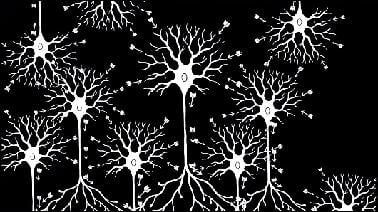
Discover what makes your brain tick in this second part of a four-part introductory series in Neuroscience. Neurons in isolation are fascinating and complicated, but the real magic of neuroscience happens in the interaction between neurons. In this course, we examine how neurons pass signals to one another and how complex dynamics can result from just a few neurons arranged in relatively simple circuits.

Self Paced
Self-Paced
Interdisciplinary Management of Cardiopulmonary Health and Disease - Cardiac Focus (edX) EdX
The Hong Kong Polytechnic University,HKPolyUx

Interdisciplinary Management of Cardiopulmonary Health and Disease - Cardiac Focus (edX)

Learn how different healthcare professionals work together to give holistic management for patients with cardiac diseases. Want to explore more about common cardiac diseases and their management? Don't miss this FREE online course conducted by a team of dedicated healthcare professionals!

Self Paced
5-12 Weeks
Strengthening Community Health Worker Programs (edX) EdX
HarvardX,Harvard University

Strengthening Community Health Worker Programs (edX)

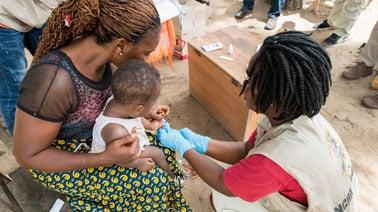
Learn to deliver high-quality primary health care at scale through national community health worker programs. Despite medical and technological advances, half of the world’s population lacks access to essential health services, and over 8.9 million preventable deaths occur every year. There is an acute global shortage of health workers, a gap that will grow to 18 million by 2030.

Self Paced
Self-Paced
Fundamentals of Neuroscience, Part 1: The Electrical Properties of the Neuron (edX) EdX
HarvardX,Harvard University

Fundamentals of Neuroscience, Part 1: The Electrical Properties of the Neuron (edX)

Learn how electricity makes the neurons in your brain tick. Fundamentals of Neuroscience is a three-courseseries that explores the structure and function of the nervous system—from the inner workings of a single nerve cell to the staggering complexity of the brain and the social interactions they enable.

Self Paced
Self-Paced
Well and Able - Improving the Physical Health of People with Intellectual Disability (edX) EdX
University of Queensland,UQx

Well and Able - Improving the Physical Health of People with Intellectual Disability (edX)

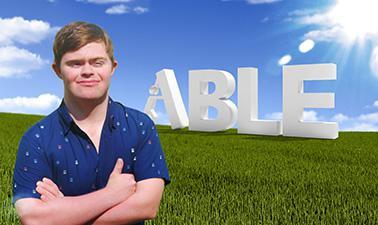
Learn how to help those with intellectual disability achieve better health. This health course will examine the specific physical health issues that affect people with an intellectual disability including, oral health, syndrome specific health issues, health communication, especially for non-verbal patients, sexual health, and interactions between tertiary and primary healthcare systems. There is a special section on complex care including issues associated with aging and spasticity, and the health impacts of epilepsy.

Self Paced
Self-Paced