Global Adolescent Health (Coursera)

Global Adolescent Health (Coursera)

This course will explore the dynamic factors affecting the health and wellbeing of young people around the world, and how important it is for individuals, communities and nations that we improve the health and life chances of this important population group.

Class Deals by MOOC List - Click here and see Coursera's Active Discounts, Deals, and Promo Codes.

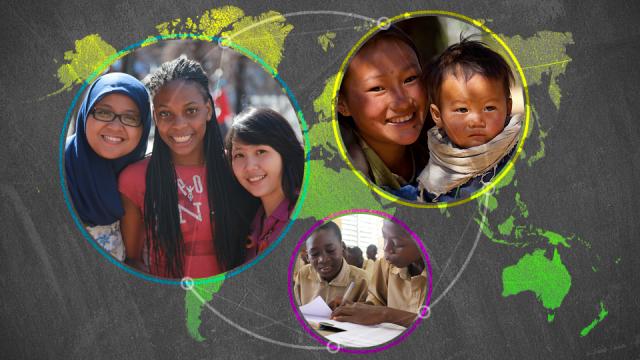
With over 25% of the world’s population aged between 10 and 24 years, today’s generation of young people is the largest in human history. As the future leaders and drivers of growth, productivity and innovation, young people are our greatest assets, and investment in their health and wellbeing has social, economic and other benefits that continue across the lifespan and into the next generation.
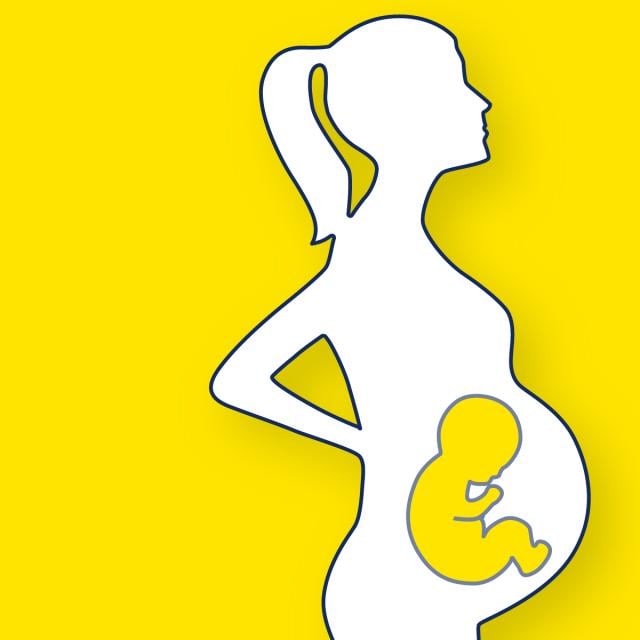
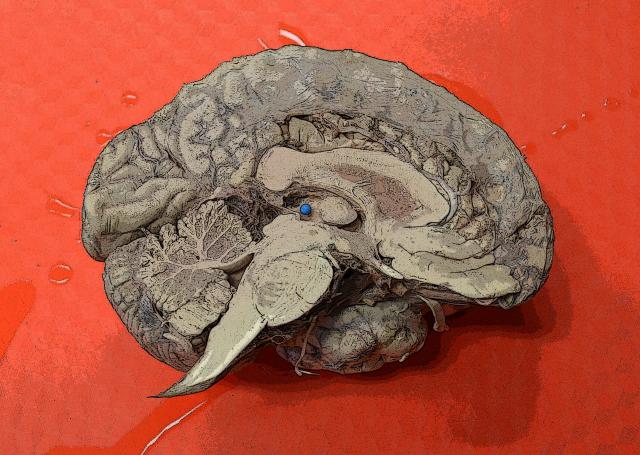
In this course we will adopt a life-course framework to take a holistic view of youth health and wellbeing. We will explore changing patterns of adolescent health and development, including why adolescence is starting earlier and ending later; how puberty and adolescent brain development may shape future health; and how what happens in adolescence can affect the start to life for the next generation. We’ll also look at the major health and social issues affecting young people and ways of addressing these through policy, practice and programming.

Syllabus

WEEK 1
Introduction to adolescent health: developmental and ecological perspectives (Part I)
Welcome! Before getting started on this week’s content, be sure to review the materials under the ‘Introduction’ section below to help you get the most out of this course, whatever your learning goals may be. This week we set the scene for adolescent health as a critical area of human health and development. We introduce the conceptual framework used throughout the course, which will assist greatly in building your learning across each week of material. We discuss different definitions of adolescence and young adulthood, and explore how the biological and social transitions associated with this period of life- and our understanding of them- have changed over time.

WEEK 2
Introduction to adolescent health: developmental and ecological perspectives (Part II)
This week we return to our conceptual framework and unpack the key concepts of social determinants of health and risk and protective factors. We explore what these terms mean and how they influence and shape adolescent health and development. We also begin to apply this knowledge at a practical level in terms of the interventions and actions we can take to improve or maintain health and wellbeing during the adolescent and young adult years, or prevent problems from happening in the first place.

WEEK 3
Major health problems of adolescents (Part I)
This week we explore our conceptual framework for adolescent health as it relates to health-related behaviours and states and health outcomes. By that we mean, how do the biological, social, economic and other influences that we have discussed so far play out in terms of adolescent health outcomes (e.g. death and disability) and behaviours (e.g. those relating to sexual activity or substance use)? What are the major health issues affecting young people around the world today, and how does this differ by region, gender and other variables? We will explore the latter question over the course of this week and next, with the focus this week predominantly on sexual and reproductive health and mental health.

WEEK 4
Major health problems of adolescents (Part II)
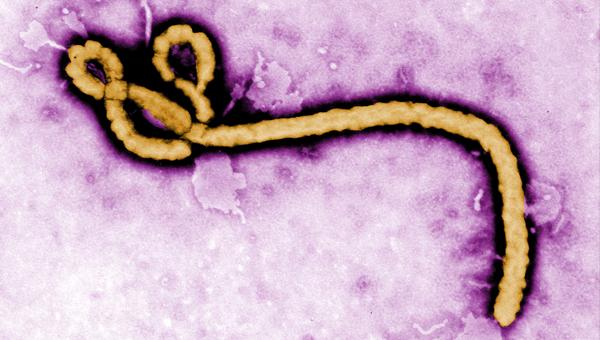
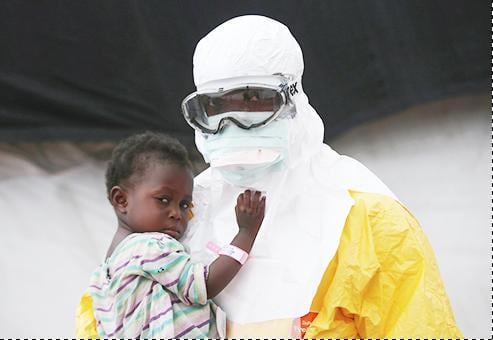
This week continues last week's focus on the 'health-related behaviours and states' and 'health outcomes' components of our conceptual framework. We will discuss some of the other major health topics and issues affecting adolescents and young adults around the world today, including infectious diseases, chronic illness and disability, nutrition, physical activity and obesity. We will also highlight injury as a leading cause of death and major cause of disability in young people, and build on last week's discussion of sexual, reproductive and mental health.

WEEK 5
Adolescent health policy, programming and intervention (Part I)
This week we set the scene for understanding the policy and practice context of adolescent health and development through reviewing the functions of family and family policy, the value of education as a resource for health, and the wider influences of peers, advertising and marketing, taxation, legislation and social media in shaping adolescent behaviours.

WEEK 6
Adolescent health policy, programming and intervention (Part II)
This week we continue our exploration of the policy and practice context of adolescent health and development by focusing on the role of health services in responding to the burden of disease experienced by young people. We discuss the elements of quality healthcare for young people and what adolescent-friendly health care means at an individual practitioner and service level. We also highlight the challenge of monitoring and communicating the health status of adolescents at a national and global level, why nations need to be held to account for investing in appropriate actions that promote the health of their young people, and how to promote positive and meaningful youth participation. As this marks the final week of learning material for this course (Weeks 7 and 8 are devoted to the completion and evaluation of Assignment 2 for those interested), we also discuss learning and networking opportunities beyond GAH for those of you who would like to continue this journey.

WEEK 7
(no new content)
Weeks 7 and 8 do not feature any new course material and are for the development, submission and peer marking of the second written assignment for those wishing to do so. Please be sure to review the intro video below for some important information before getting started. We would also greatly appreciate your feedback on this course via the end of course survey below if you have not already done so- it is so critical for us in our efforts to ensure we are providing our students with the best experience possible. Thank you!

Go to Class
MOOC List is learner-supported. When you buy through links on our site, we may earn an affiliate commission.

Related Courses

Curanderismo: Traditional Healing Using Plants (Coursera) Coursera
University of New Mexico

Curanderismo: Traditional Healing Using Plants (Coursera)

As one of four courses on Curanderismo, the art of Hispanic/Latino traditional medicine, this course focuses specifically on the use of plants in traditional healing. As an educational and cultural platform, this course will share the history, influences, and contributions of traditional medicine. Trained traditional healers will share their knowledge of the healing properties of plants commonly found in the Southwestern United States and Mexico through practical applications that can still be used today.

Aug 10th 2026
5-12 Weeks
Everyday Parenting: The ABCs of Child Rearing (Coursera) Coursera
Yale University

Everyday Parenting: The ABCs of Child Rearing (Coursera)

Everyday Parenting gives you access to a toolkit of behavior-change techniques that will make your typical day in the home easier as you develop the behaviors you would like to see in your child. The lessons provide step-by-step instructions and demonstrations to improve your course of action with both children and adolescents.

Aug 10th 2026
4 Weeks
Sustainable Food Production Through Livestock Health Management (Coursera) Coursera
University of Illinois at Urbana-Champaign

Sustainable Food Production Through Livestock Health Management (Coursera)

Learn about the impact of infectious disease on sustainable animal-based food production by understanding the science of growth, immunity, and infection and by learning the problem-solving skills needed to advance animal health and food production through optimal management practices. In this course we will explore the effect of infectious disease on sustainable animal-based food production. The content and learning outcomes of this new course will be designed to be relevant across different food production sectors (i.e., beef, dairy, poultry, and pigs).

Aug 10th 2026
5-12 Weeks
Psychological First Aid (Coursera) Coursera
Johns Hopkins University

Psychological First Aid (Coursera)

Learn to provide psychological first aid to people in an emergency by employing the RAPID model: Reflective listening, Assessment of needs, Prioritization, Intervention, and Disposition. Utilizing the RAPID model (Reflective listening, Assessment of needs, Prioritization, Intervention, and Disposition), this specialized course provides perspectives on injuries and trauma that are beyond those physical in nature. The RAPID model is readily applicable to public health settings, the workplace, the military, faith-based organizations, mass disaster venues, and even the demands of more commonplace critical events, e.g., dealing with the psychological aftermath of accidents, robberies, suicide, homicide, or community violence.

Aug 10th 2026
5-12 Weeks
Ecosystems of California (Coursera) Coursera
University of California, Santa Cruz

Ecosystems of California (Coursera)

This course surveys the diversity, structure and functioning of California’s ecosystems through time and the ways they have influenced and responded to human activities and stewardship. Topics include ecosystem drivers such as climate, soils, and land use history; human and ecological prehistory of the state; comparative marine, freshwater, and terrestrial ecosystem dynamics; and managed ecosystems such as range, fisheries and agriculture in California.

Aug 10th 2026
5-12 Weeks
Community Awareness Course: Sexuality and Disability (Coursera) Coursera
University of Minnesota

Community Awareness Course: Sexuality and Disability (Coursera)

This community awareness course from the University of Minnesota Program on Human Sexuality will provide you with a solid introduction to human sexuality for those living with disabilities. Often there are assumptions that the disabled or differently abled people are not sexual, do not have sexual needs, or cannot be involved sexually. In this professionally produced one-hour course, you'll learn about the basics of disabilities and human sexuality.

Aug 10th 2026
5-12 Weeks
De-Mystifying Mindfulness (Coursera) Coursera
Leiden University

De-Mystifying Mindfulness (Coursera)

Interest in meditation, mindfulness, and contemplation has grown exponentially in recent years. Rather than being seen as mystical practices from ancient Buddhism or esoteric philosophy, they are increasingly seen as technologies rooted in evidence from psychology and neuroscience. Mindfulness has become the basis for numerous therapeutic interventions, both as a treatment in healthcare and as a means of enhancing well-being and happiness. For millions around the world, mindfulness has become a life-style choice, enhancing and enriching everyday experience. Mindfulness is big business.

Aug 10th 2026
5-12 Weeks
Population Health: Alternative Payment Models (Coursera) Coursera
Leiden University

Population Health: Alternative Payment Models (Coursera)

The way we currently pay our care providers lead to suboptimal outcomes and unnecessary spending. Consequently, we fail to maximize the value of our health care services. We need to change provider payment models in order to keep health care systems financial sustainability. Doing nothing is not an option. But the question is, how do we do it?

Aug 10th 2026
4 Weeks
Autism Spectrum Disorder (Coursera) Coursera
University of California, Davis

Autism Spectrum Disorder (Coursera)

Understanding the characteristics of autism spectrum disorder (ASD) and their implications for behavior, learning and the ability to process information is critical for anyone working or interacting with those on the spectrum -- educators, clinicians, counselors, therapists, medical staff, family and employers. This course will give you a fundamental understanding of what ASD is, how it is diagnosed, the primary areas of impairment, and why prevalence is increasing.

Aug 10th 2026
5-12 Weeks
Introduction to Systems Biology (Coursera) Coursera
Icahn School of Medicine at Mount Sinai

Introduction to Systems Biology (Coursera)

This course will introduce the student to contemporary Systems Biology focused on mammalian cells, their constituents and their functions. Biology is moving from molecular to modular. As our knowledge of our genome and gene expression deepens and we develop lists of molecules (proteins, lipids, ions) involved in cellular processes, we need to understand how these molecules interact with each other to form modules that act as discrete functional systems.

Aug 10th 2026
5-12 Weeks
Everyday Chinese Medicine 2 (Coursera) Coursera
The Chinese University of Hong Kong

Everyday Chinese Medicine 2 (Coursera)

This course, Everyday Chinese Medicine II offered by the Chinese University of Hong Kong, aims to show to the public, as well as the healthcare professionals about the basic principles of Chinese medicine. Our primary goal is to empower healthcare choices by promoting awareness and practical application on Chinese medicine diagnostic and therapeutic approaches, and to facilitate interprofessional education between Chinese and conventional clinicians.

Aug 10th 2026
5-12 Weeks