Women in environmental biology (Coursera)

Women in environmental biology (Coursera)

Have you ever wondered how humans relate to other living beings and what do you need to know to be able to understand current environmental problems? Do you know that many of these researches and knowledge have been described by women? This course gives answers to these questions and it is addressed to anyone interested in the relationship between humans and other living beings, as well as all those concerned about the global change situation that the planet is suffering.

Class Deals by MOOC List - Click here and see Coursera's Active Discounts, Deals, and Promo Codes.

We will learn key concepts of environmental biology, what does the word biodiversity mean, what are the main types of living organisms that exist on the Earth and the importance of these for human beings. We will also learn that the gender perspective plays a key role in how we understand the world and in how science, and in particular, environmental biology, progress.
What is this course useful for? In the current context of global change of the planet, sustainability is a key and transversal concept in many aspects of our life: education, politics, legislation, etc ... Knowing to appreciate the importance of our relationship with the natural environment will facilitate to work on issues related to sustainability with a solid knowledge based on evidence.
On the other hand, there is growing evidence that the gender perspective is a key element in the transformation of many environmental problems on the planet. This course has been designed and developed by a team of women researchers applying the gender perspective in the content and structure of the course. In addition, with this course you will discover many other women who, throughout history, have made key contributions to environmental biology and that will surely allow you to start stretching the thread to know more of them.

Syllabus

WEEK 1
Women in environmental biology
Welcome to our course on environmental biology from women perspective. Before getting started, we suggest you to take a couple of minutes to read the information about the course and about the platform as given below.
Biodiversity
Biological diversity is one of the most important values of the Earth. Humans have evolved and coexist with many other types of living beings. We will find out a little bit more about them and about how can we study their main traits.

WEEK 2
Ecosystems and humans
Living beings live together, in constant interaction with each other and with the natural environment. We will try to understand these relations.

WEEK 3
Juman health and environment
A good quality natural environment provides multiple benefits for human health and well-being. Sustainable management of forestry, agriculture and fisheries are key for the future.

WEEK 4
Strategies for the conservation of the environment
We need to save the planet. The big question is how to do it. Ecofeminism, a culture of peace and environmental education are some ways to conserve the environment. We will learn from experiences.


Go to Class
MOOC List is learner-supported. When you buy through links on our site, we may earn an affiliate commission.

Related Courses

Management of Urban Infrastructures – part 1 (Coursera) Coursera
École Polytechnique Fédérale de Lausanne

Management of Urban Infrastructures – part 1 (Coursera)

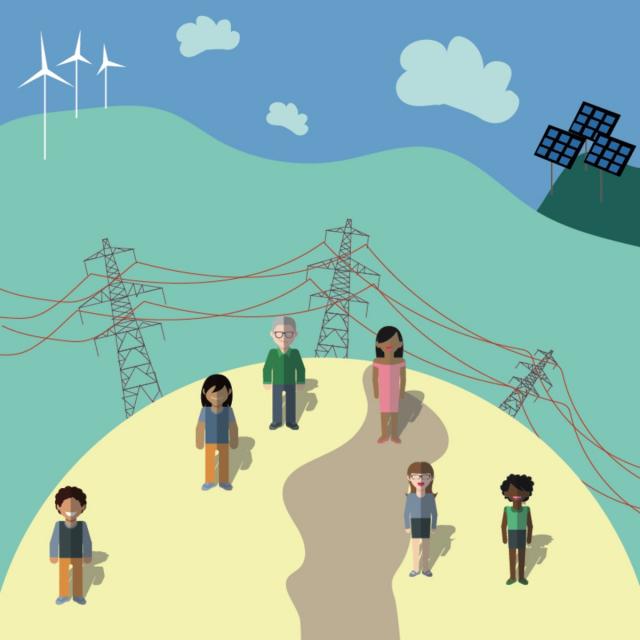
Sustainability, Resilience and Efficiency are fundamental considerations for city managers in managing urban infrastructures. Today, more than 3.9 billion people, making up more than 54% of the global population, live in cities. Urbanization is expected to continue in the coming years, raising the urban population to 6.0 billion by 2045. This dramatic increase in urban populations will inevitably increase the demand for energy, mobility (transportation), water, and other urban services in every city around the world. Without functional governance and management structures that ensure efficient, resilient and sustainable performance in cities, the current urbanization growth might become a catastrophic risk threatening the quality of life of the humanity.

Aug 17th 2026
5-12 Weeks
Organisational behaviour: Know your people (Coursera) Coursera
Macquarie University

Organisational behaviour: Know your people (Coursera)

Organisations have changed and now, more than ever, personnel management is crucial to organisational success. In this course you’ll explore a range of concepts, theories and methodologies that will help you navigate and optimise your work environment. Via structured learning activities (video lectures, quizzes, discussion prompts and written assessments) you will be exposed to the latest best-practice leadership strategies to enable your employees to achieve more at work.

Aug 17th 2026
5-12 Weeks
Algae Biotechnology (Coursera) Coursera
University of California, San Diego

Algae Biotechnology (Coursera)

For decades, researchers have been studying microalgae to understand their biological functions and how we can use technology to harness algae’s power to create a wide range of commercial products. In this course, we will cover how synthetic biology, genetic engineering, and metabolic engineering is used in algae biotechnology, and also examine the current state of algae biotechnology research and tools. We’ll also explore some of the common bio-products we can make from algae, and take a look at some real-world algae companies that are using algae biotechnology to create products consumers can buy today.

Aug 17th 2026
5-12 Weeks
Evolution Today (Coursera) Coursera
Leiden University,Naturalis Biodiversity Center

Evolution Today (Coursera)

In this course you will learn how evolution works. You will develop an understanding of evolutionary processes and their formative power. You will see how evolution has shaped biodiversity, and continuously influences our daily life. Evolution impacts human endeavors as varied as medicine, agriculture, psychology, economy, and culture. It is the major unifying principle for biology and a fundamental natural law.

Aug 10th 2026
5-12 Weeks
Global Health Security, Solidarity and Sustainability through the International Health Regulations (Coursera) Coursera
University of Geneva

Global Health Security, Solidarity and Sustainability through the International Health Regulations (Coursera)

Welcome to the MOOC "Global Health Security, Solidarity and Sustainability through the International Health Regulations". We are very excited to have you on board and hope you will enjoy the course! In the coming 6 weeks, you will learn about the International Health Regulations (IHR), history of its creation and evolution, its major principles and implementation procedures, as well as challenges and future opportunities.

Aug 17th 2026
5-12 Weeks
Planning for Climate Change in African Cities (Coursera) Coursera
Erasmus University Rotterdam,United Cities and Local Governments of Africa,African Local Government Academy,Institute for Housing and Urban Development

Planning for Climate Change in African Cities (Coursera)

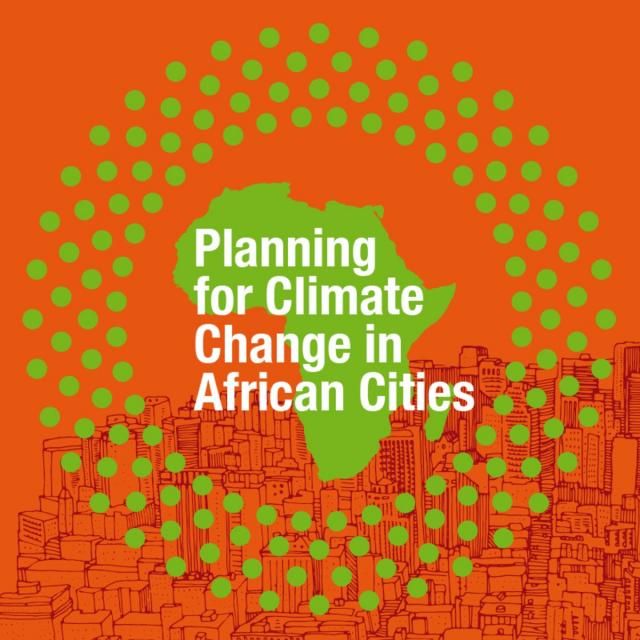
Climate change poses a threat to economic growth and long-term prosperity of many countries around the world. Africa is not an exception, considering the actual and potential impacts of climate change and climate variability that will threaten its vulnerable sectors and human populations. African countries are projected to experience changing rainfall patterns, rising sea levels, and higher temperatures that will affect food security, agricultural production, water availability, and public health, among others. These climate change impacts and climate variability can further produce social and political problems, such as rural-urban migration and water resource disputes.

Aug 17th 2026
5-12 Weeks
Sustainable Vikings: Sustainability & Corporate Social Responsibility in Scandinavia (Coursera) Coursera
Copenhagen Business School

Sustainable Vikings: Sustainability & Corporate Social Responsibility in Scandinavia (Coursera)

This course gives you immediate access to the world leading sustainability and corporate social responsibility (CSR) practices. Scandinavian firms dominate the major sustainability and CSR performance indicators including the Dow Jones Sustainability Index (DJSI). In this course we explore the concepts of sustainability and CSR and focus attention on how Scandinavian firms, like Novo Nordisk, have achieved superior sustainability and CSR performances.

Aug 17th 2026
5-12 Weeks
Our Earth's Future (Coursera) Coursera
American Museum of Natural History

Our Earth's Future (Coursera)

Our Earth’s Future is about the science of climate change and how to talk about it. You will learn from scientists in the fields of climatology, oceanography, Earth science, and anthropology who study how climate change is affecting people, populations, and ways of life. Explore the multiple lines of evidence for the human-induced climate change that is happening today, and consider what that means for the future of our planet. At the end of this course you will be able to understand key scientific principles, identify and address misconceptions, and contribute confidently to conversations about climate change.

Aug 10th 2026
5-12 Weeks
Sustainable Agricultural Land Management (Coursera) Coursera
University of Florida

Sustainable Agricultural Land Management (Coursera)

This course will cover the agricultural and urban water quality issues in Florida, their bases, land and nutrient management strategies, and the science and policy behind the best management practices (BMPs). Students will learn to evaluate BMP research and analyze its role in determining practices and policies that protect water quality.

Aug 10th 2026
5-12 Weeks