The Nature of Genius (Coursera)

Offered by Yale University,
The Nature of Genius (Coursera)

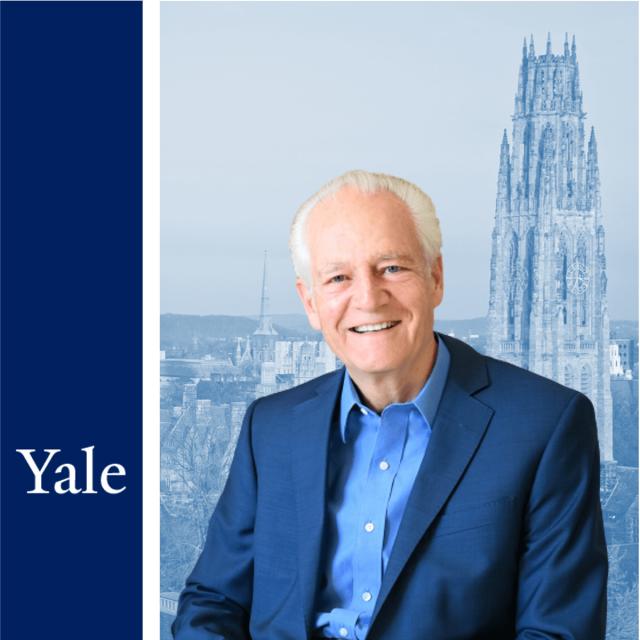
Today "genius" is all around us. Celebrities, athletes, child prodigies, even your local Apple employees, all are referred to as geniuses. But are they? And if not these individuals then who? In this course, Henry L. and Lucy G. Moses Professor of Music Emeritus and author of The Hidden Habits of Genius, Craig Wright, will begin by giving you his definition and prerequisites for true genius and challenge you to come up with your own.

Class Deals by MOOC List - Click here and see Coursera's Active Discounts, Deals, and Promo Codes.

From there we'll look at examples of geniuses both historical and modern to try to identify the threads that bind them together and understand what separates the true genius from the wannabe... We’ll explore where creativity, curiosity and passion originate and how geniuses are able to discover, cultivate and apply their prodigious stores of each so as to fashion world changing ideas and inventions.
Specific topics covered in the course include:
Genius and Gender
Genius and Money
Whether or not celebrities and athletes can be considered geniuses
Where and when genius happen
The morality of genius
Genius and inequality
And dozens more
While this course almost assuredly will not turn anyone into a genius, we hope it will serve to inspire you to cultivate your own creativity, explore your own curiosity, and pursue your own passion.

What You Will Learn

  • How to create your own definition of genius
  • The internal and external factors that allow genius to flourish
  • Which attributes are commonly found in those deemed to be "geniuses"

Syllabus

WEEK 1
Genius Defined, Genius Denied , Genius and Geography
In Section 1 of Module 1 we determine, jokingly, whether you're a genius or not, provide examples of geniuses as opposed to mere celebrities or prodigies, and discover how what defines "genius" is highly subjective and ever-changing. In Section 2 we look at genius and gender. We discuss the disadvantages that the few female geniuses who do come down to us in our history book faced in their societies. We consider how far we may have progressed and what opposition still remains for women today. In Section 3 we look at genius in relationship to race, geography and society. We talk about the importance of originality in genius and about what societal factors can either encourage or discourage genius.

WEEK 2
First Things First
In Section 1 of Module 2 we jump into the age-old question: is it nature or is it nurture? We'll talk about the growing science of epigenetics, the many forms of intelligence and how to best measure each. In Section 2 we consider neoteny in genius. How employing childlike thinking could be a key to genius. We'll also take some time to explore in-depth one of the more famous neotenic geniuses from our past, Mozart. Then we'll move on to discover how we deal with our young prodigies and savants in ways that may actually prevent genius from blossoming. In Section 3 we'll get down to brass tacks and talk about money's role in genius. Do you need to be rich to be a genius? What should geniuses do with their money once they accumulate it?

WEEK 3
What Makes Genius?
Module 3 delves into the enablers of genius to see what drives them and what allows them to achieve such singular greatness in their lifetimes. Section 1 entitled "curiosity and a tolerance for risk," may go a long way to explaining the just-asked question. We'll study perhaps the single most curious person in history, the great, Leonardo da Vinci, and look in on a typical day in his life. In Section 2 we'll move on to explore creativity and great polymaths in history. We'll take time to examine how they think and where their ideas came from. In Section 3 we'll talk passions; the inevitable endpoint for anyone with great curiosity, is passion. Once these polymaths stumble on something of interest, they become passionate, and passion can carry them along some unusual paths. We'll explore a few of them.

WEEK 4
Disruption, Genius and Morality, Genius and “Disability”
In Module 4 we start by looking at morality and genius. As you might expect by now, they do not always go hand in hand. We'll explore a few examples of the rebellious nature of most geniuses, and the personally destructive nature of several others, and we will consider the relationship between genius and so-called "disabilities." Finally, we'll step back and ask the following question: To what degree are we as individuals willing to tolerate bad behavior and, indeed, personal destruction, in order to benefit from the creative innovation that the genius brings to society? Finally, we end by suggesting the personal and societal implications inherent in the study of genius. We'll send you off by suggesting how you, and society, might employ the knowledge you've gained as you have explored "The Nature of Genius."

Go to Class
MOOC List is learner-supported. When you buy through links on our site, we may earn an affiliate commission.

Related Courses

Cameras, Exposure, and Photography (Coursera) Coursera
Michigan State University

Cameras, Exposure, and Photography (Coursera)

Welcome to Course One of Photography Basics and Beyond: From Smartphone to DSLR! In these first 4 Modules you will gain the knowledge and the confidence that will help you make good choices as you consider qualities of the camera you own, and the qualities of the other types of digital cameras you might be considering. You will learn about the basic functions that most digital cameras have in common. You will also go beyond the "technical" matters and learn about how you can make exciting pictures by emphasizing the aspects of Frame and Vantage Point to interpret old subjects in new ways.

Jun 15th 2026
4 Weeks
Geodesign: Change Your World (Coursera) Coursera
Pennsylvania State University

Geodesign: Change Your World (Coursera)

What happens when creativity and science come together? The power to design our world is unleashed, providing tools to inform choices about how we live! Geodesign is the glue—it’s a process that deploys creativity to connect information to people, using collaboration to better inform how we design our world.

Jun 22nd 2026
5-12 Weeks
Creativity Toolkit I: Changing Perspectives (Coursera) Coursera
University of Illinois at Urbana-Champaign

Creativity Toolkit I: Changing Perspectives (Coursera)

Thinking and doing the same things faster and better is not enough; we need creativity. Fortunately, creativity is a skill you can learn. This course will examine when, why, and how we can be creative. It examines the cues that trigger us to consider being creative. It provides a road map of the creative process – the process of changing our perspectives – and the kinds of outcomes that result from creativity.

Jun 17th 2026
4 Weeks
Creative Writing: The Craft of Plot (Coursera) Coursera
Wesleyan University

Creative Writing: The Craft of Plot (Coursera)

In this course aspiring writers will be introduced to perhaps the most elemental and often the most challenging element of story: plot. We will learn what keeps it moving, how it manipulates our feelings, expectations, and desires. We will examine the choices storytellers make to snag our imaginations, drag them into a fictional world, and keep them there. We will learn how to outline and structure a plot, discuss narrative arc, pacing and reversals and reveal the inevitable surprise: connecting the beginning, middle and end.

Jun 22nd 2026
4 Weeks
Innovation: From Creativity to Entrepreneurship Capstone (Coursera) Coursera
University of Illinois at Urbana-Champaign

Innovation: From Creativity to Entrepreneurship Capstone (Coursera)

The capstone for the specialization will provide a learning experience that integrates across all the courses within it. It will involve analysis of a situation concerning a new enterprise – a venture of one’s own or within a larger organization – to develop the current business model and compare against alternative business models so as to identify potential opportunities and challenges.

Jun 22nd 2026
5-12 Weeks
Innovar (Coursera) Coursera
Arizona State University

Innovar (Coursera)

La innovación ha cobrado una importancia significativa en las corporaciones de hoy, y con frecuencia es vista como un motor importante de crecimiento y éxito en una organización. En este curso introductorio, usted aprenderá sobre el significado, la importancia, el proceso e impacto de la innovación.

Jun 15th 2026
5-12 Weeks
Criatividade e Inovação Organizacional (Coursera) Coursera
FIA Business School

Criatividade e Inovação Organizacional (Coursera)

Nossas boas-vindas ao Curso Criatividade e Inovação Organizacional. Neste curso, você aprenderá sobre os diferentes tipos de inovação, os processos de inovação nas empresas de acordo com a estratégia estabelecida e as ferramentas que apoiam o desenvolvimento de novos produtos, serviços e modelos de negócios em busca da transformação digital das empresas.

Jun 22nd 2026
4 Weeks
Introduction to Imagemaking (Coursera) Coursera
California Institute of the Arts

Introduction to Imagemaking (Coursera)

This course for serious makers, and for students new to imagemaking. Imagemaking is a fluid and exciting area of graphic design that comes out of practice and process: experimenting fearlessly, showing and sharing ideas, and giving and receiving knowledgeable and constructive input.

Jun 22nd 2026
4 Weeks
The Blues: Understanding and Performing an American Art Form (Coursera) Coursera
University of Rochester

The Blues: Understanding and Performing an American Art Form (Coursera)

The blues is an American art form and the most important musical form in jazz. Although there are other formal paradigms of the blues, such as 8-bar or 16-bar, this course focuses on different incarnations of the 12-bar blues. There are considerable differences between Early Jazz blues, Swing blues, Bebop blues, Modal blues, and Post Bop blues.

Jun 15th 2026
5-12 Weeks
Creativity, Innovation, and Change (Coursera) Coursera
Pennsylvania State University

Creativity, Innovation, and Change (Coursera)

Our lives are being disrupted by pandemics, global warming, wars, political chaos, and technological innovations. We must prepare for an unpredictable and unknown future - and this is the goal of the course on Creativity, Innovation and Transformation (CIT)! CIT is an upgrade of the former Creativity, Innovation and Change (CIC) course, which is now streamlined and updated with a new module on Transformation.

Jun 22nd 2026
4 Weeks
How Self-Motivation Shapes Personal Success (Coursera) Coursera
University of Colorado System

How Self-Motivation Shapes Personal Success (Coursera)

Embark on an immersive learning experience that delves into the essence of self-motivation and its pivotal role in sculpting personal triumph. This course weaves the intellectual richness of the European Renaissance with the nuanced tapestry of contemporary psychology, offering a profound understanding of the drivers behind personal achievements.

Jun 22nd 2026
5-12 Weeks