Lisboa e o Mar: uma História de Chegadas e Partidas (EMMA)

Offered by Universidade Aberta,
Lisboa e o Mar: uma História de Chegadas e Partidas (EMMA)

Situada junto à foz do rio Tejo, a cidade de Lisboa tem sido um lugar de múltiplos encontros culturais e de cruzamento de influências, desde a sua fundação. Através dos séculos, diferentes comunidades étnicas e religiosas coexistiram na cidade, que no século XIII assumiu uma importância que não mais viria a perder. Pessoas de todas as partes do mundo chegaram e partiram de Lisboa. O eco dos seus conhecimentos, experiências e costumes influenciou e deixou marcas na história e cultura portuguesa. Mas Lisboa foi também ponto de partida de muitos portugueses que, movidos por razões de ordem vária, cruzaram os mares e deixaram sinais da sua presença por todo o mundo. Neste curso vamos focar-nos na história de Lisboa a partir desta perspetiva.

Learning Objectives:
Este curso é desenhado utilizando uma abordagem multidisciplinar. O seu propósito é preparar os que nele participam para compreender e analisar criticamente a multiplicidade de perspetivas relacionadas com a complexa e diversificada dimensão da relação de Lisboa com as pessoas e culturas que a cruzaram ao longo dos séculos. Focar-nos-emos em importantes temas, em diferentes períodos históricos, que demonstram o processo do intersecção de influências no plano cultural, político, social e económico.
/div>

Outcomes:
Espera-se que os participantes estudem de forma independente, explorem os recursos, pesquisem e explorem outros materiais relevantes por sua própria iniciativa, realizem as atividades e reflitam sobre as suas experiências de aprendizagem, produzam artefactos (textos, vídeos, apresentações, mapas conceptuais, etc.) que demonstrem a sua compreensão dos temas abordados e a sua competência na aplicação desse conhecimento. Espera-se, igualmente, que interajam com outros participantes do curso e assumam um papel ativo no diálogo em torno dos temas que serão abordados, contribuindo de forma relevante para a criação de conhecimento. Os participantes são responsáveis não apenas pela sua própria aprendizagem mas também de contribuir para uma dinâmica comunidade de aprendizagem.

Course Structure

Lesson 1 - Ambientação ao Curso - Boot Camp
Lesson 2 - Roteiro de Aprendizagem do MOOC: Lisboa e o Mar
Lesson 3 - Lisboa no séc. XVI: espaço de encontro de culturas numa história global
Lesson 4 - Lisboa e o seu porto na Época dos Descobrimentos
Lesson 5 - Lisboa e a diáspora cristã nova na Época Moderna
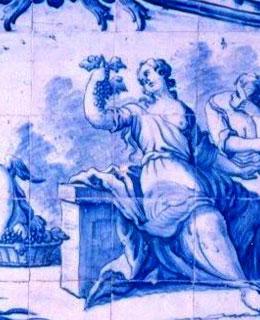
Lesson 6 - Lisboa e a geografia do azulejo barroco no espaço atlântico

Go to Class
MOOC List is learner-supported. When you buy through links on our site, we may earn an affiliate commission.

Related Courses

Philosophy, Science and Religion: Science and Philosophy (Coursera) Coursera
University of Edinburgh

Philosophy, Science and Religion: Science and Philosophy (Coursera)

Philosophy, Science and Religion mark three of the most fundamental modes of thinking about the world and our place in it. Are these modes incompatible? Put another way: is the intellectually responsible thing to do to ‘pick sides’ and identify with one of these approaches at the exclusion of others? Or, are they complementary or mutually supportive? As is typical of questions of such magnitude, the devil is in the details. For example, it is important to work out what is really distinctive about each of these ways of inquiring about the world. In order to gain some clarity here, we’ll be investigating what some of the current leading thinkers in philosophy, science and religion are actually doing.

Oct 5th 2026
5-12 Weeks
Christianity & Ecology (Coursera) Coursera
Yale University

Christianity & Ecology (Coursera)

There is a need for broader literacy and deeper knowledge of the world’s religions and their ecological contributions. This course is designed as a gateway to the rich ecological dimensions of the Christian religious tradition. We delve into unique contributions from Orthodox, Catholic, and Protestant Christianity, exploring views on and relationship with the natural world.

Oct 12th 2026
5-12 Weeks
Let's Learn Portuguese Language (FutureLearn) FutureLearn
University of Malaya

Let's Learn Portuguese Language (FutureLearn)

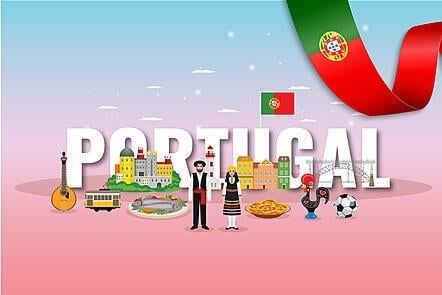
Enhance your vacation and gain an understanding of one of the world's friendliest and most vibrant countries through language. Learn how to speak like a local with Universiti Malaya. Do you want to learn the language Cristiano Ronaldo speaks? Master the basics of Portuguese language here. This two week course will give you the tools you need to speak Portuguese like a local without having to travel to Portugal.

Self Paced
2 Weeks
Søren Kierkegaard - Subjectivity, Irony and the Crisis of Modernity (Coursera) Coursera
University of Copenhagen

Søren Kierkegaard - Subjectivity, Irony and the Crisis of Modernity (Coursera)

In this course created by former associate professor at the Søren Kierkegaard Research Centre, Jon Stewart, we will explore how Kierkegaard deals with the problems associated with relativism, the lack of meaning and the undermining of religious faith that are typical of modern life. His penetrating analyses are still highly relevant today and have been seen as insightful for the leading figures of Existentialism, Post-Structuralism and Post-Modernism.

Oct 12th 2026
5-12 Weeks
The Holocaust - An Introduction (II): The Final Solution (Coursera) Coursera
Tel Aviv University,Yad Vashem

The Holocaust - An Introduction (II): The Final Solution (Coursera)

The Holocaust was an inconceivable historical event, which forever robbed Western culture of its innocence. As civilized human beings, we fail to understand how events of such horror could have taken place, and how an idea so inhumanly warped could have spread like wildfire through an entire continent, instigating the systematic annihilation of millions of Jews.

Oct 5th 2026
3 Weeks
Magic in the Middle Ages (Coursera) Coursera
University of Barcelona

Magic in the Middle Ages (Coursera)

Magical thought has always attracted human imagination. In this course we will introduce you to the Middle Ages through a wide conception of magic. Students will have an approach to medieval culture, beliefs and practices from the perspective of History and History of Science. Popular magic, as well as learned magic (alchemy, geomancy and necromancy) will be addressed. Moreover, we will also deal with how eastern practices and texts influenced western culture. In July 2016, the course will contain a brand-new module devoted to astrology. Magic in the Middle Ages offers a captivating overview of medieval society and promotes reflection about certain stereotypes associated with this period.

Oct 12th 2026
5-12 Weeks
The Changing Landscape of Ancient Rome. Archaeology and History of the Palatine Hill (Coursera) Coursera
Sapienza University of Rome

The Changing Landscape of Ancient Rome. Archaeology and History of the Palatine Hill (Coursera)

Studying ancient - as well as medieval or modern - cities basically means telling local urban stories based on the reconstruction of changing landscapes through the centuries. Given the fragmentary nature of archaeological evidence, it is necessary to create new images that would give back the physical aspect of the urban landscape and that would bring it to life again. We are not just content with analyzing the many elements still visible of the ancient city.

Oct 12th 2026
5-12 Weeks
Film, Images & Historical Interpretation in the 20th Century: The Camera Never Lies (Coursera) Coursera
University of London,Royal Holloway, University of London

Film, Images & Historical Interpretation in the 20th Century: The Camera Never Lies (Coursera)

This course is a short taster on the topic of the use of Images, Film, and their use in historical interpretation in the 20th century. It is primarily provided for those who have a general interest in history that draws on photojournalism as primary evidence, and films based on historical events.

Oct 5th 2026
5-12 Weeks
Re-imaging God in Korean Context (Coursera) Coursera
Yonsei University

Re-imaging God in Korean Context (Coursera)

This course will be an overview of a development of the theological methods in relation to Korea’s cultural context. Completing the course, the learners can understand cultural influences on the dynamic development of Korean churches and indigenous theology; they can also gain an insight into their own image of God and theological imagination in their own cultural context.

Oct 12th 2026
5-12 Weeks
Philosophy, Science and Religion: Philosophy and Religion (Coursera) Coursera
University of Edinburgh

Philosophy, Science and Religion: Philosophy and Religion (Coursera)

Philosophy, Science and Religion mark three of the most fundamental modes of thinking about the world and our place in it. Are these modes incompatible? Put another way: is the intellectually responsible thing to do to ‘pick sides’ and identify with one of these approaches at the exclusion of others? Or, are they complementary or mutually supportive? As is typical of questions of such magnitude, the devil is in the details. For example, it is important to work out what is really distinctive about each of these ways of inquiring about the world. In order to gain some clarity here, we’ll be investigating what some of the current leading thinkers in philosophy, science and religion are actually doing.

Oct 12th 2026
5-12 Weeks