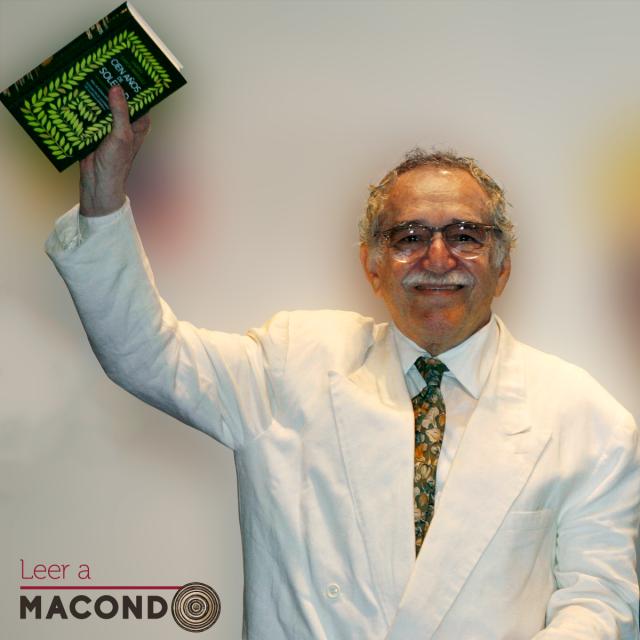
Leer a Macondo: la obra de Gabriel García Márquez (Coursera)

Leer a Macondo: la obra de Gabriel García Márquez (Coursera)

A través de este curso usted podrá identificar los aportes narrativos del escritor colombiano Gabriel García Márquez a la literatura universal y logrará entender por qué Gabriel García Márquez es considerado uno de los autores más brillantes en lengua castellana.

Class Deals by MOOC List - Click here and see Coursera's Active Discounts, Deals, and Promo Codes.

Ante todo, usted tendrá la oportunidad de gozar de la lectura y el análisis de las siguientes obras: La hojarasca (1955), El coronel no tiene quien le escriba (1961), La mala hora (1962), Los funerales de la Mamá Grande (1962) y Cien años de soledad (1967). Al entrar en el universo narrativo de García Márquez, usted se dejará seducir por la riqueza de su lenguaje y logrará identificar las obsesiones del autor.
A través del estudio de estas obras usted:

  1. Valorará la obra de Gabriel García Márquez
  2. Apreciará la forma en que evoluciona
  3. Desarrollará la capacidad de relacionar sus diferentes obras
  4. Identificará algunos de los elementos centrales de su obra

Este curso está dirigido a personas que disfrutan de la literatura y no requiere ningún tipo de conocimiento previo.

Syllabus

WEEK 1
Introducción al curso y La hojarasca
La hojarasca es la primera novela corta de Gabriel García Márquez y es una obra fundamental en la medida en que en esta aparece Macondo por primera vez de forma detallada. Un elemento central de esta novela es que el autor plantea un dilema ético a través de una historia narrada a tres voces.

WEEK 2
El coronel no tiene quien le escriba
El coronel no tiene quien le escriba es una de las obras maestras de Gabriel García Márquez no solo por el ritmo y la simplicidad de su diseño, sino también por la densidad con la que se presenta al personaje principal. El aislamiento y la escasez son algunos de sus elementos centrales.

WEEK 3
Los funerales de la Mamá Grande
Esta colección de ocho cuentos escritos entre 1959 y 1962, presenta múltiples interconexiones entre los distintos cuentos, personajes y escenarios, que además están estrechamente ligados con La mala hora y Cien años de soledad.

WEEK 4
La mala hora
La mala hora es el primer intento de Gabriel García Márquez de escribir una novela más elaborada y larga. Se caracteriza por explorar la relación entre la esfera pública y la privada y por abordar el tema de La Violencia de forma un poco más explícita que en sus obras anteriores.

WEEK 5
Cien años de soledad- Primera parte
Cien años de soledad es una obra maestra de la literatura universal que construye un universo simbólico sobre ciclos que se entrelazan creando infinitas conexiones entre espacios, personajes, escritores, situaciones. En este módulo estudiaremos la novela a partir del título, el primer capítulo y los personajes.

WEEK 6
Cien años de soledad- Segunda parte
Esta novela está construida a partir de cuatro ciclos: El tiempo mítico 1, centrado en la fundación de Macondo por parte de la familia Buendía, el tiempo histórico 1 (siglo XIX) marcado por las guerras civiles del coronel Aureliano Buendía, el tiempo histórico 2 (siglo XX) marcado por la instalación de la compañía bananera en Macondo y el tiempo mítico 2, centrado en el proceso de decadencia y destrucción de Macondo
Go to Class
MOOC List is learner-supported. When you buy through links on our site, we may earn an affiliate commission.

Related Courses

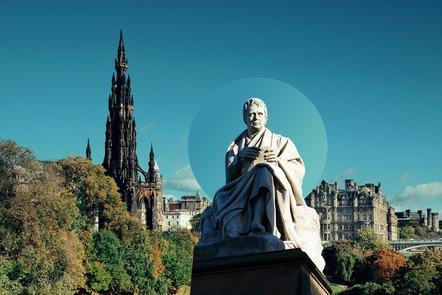
Ancient Masterpieces of World Literature (edX) EdX
HarvardX,Harvard University

Ancient Masterpieces of World Literature (edX)

Examine how cultures of the ancient world defined themselves through literature and how their vision of literature contributes to our understanding of civilization, culture, and literature today. This short literature course, based on the first half of the Masterpieces of World Literature edX MOOC, examines how civilizations and cultures of the ancient world defined themselves through literature and how that literature has continued to contribute to our understanding of those civilizations and cultures today.

Self Paced
Self-Paced
Introduction to Academic Writing (Coursera) Coursera
O.P. Jindal Global University

Introduction to Academic Writing (Coursera)

Welcome to the Introduction to Academic Writing course! By the end of this course, you will gain an in-depth understanding of reading and writing as essential skills to conduct robust and critical research. This course introduces you to critical reading and writing skills within the conventions of academic writing.

Nov 9th 2026
4 Weeks
Il était une fois la littérature de jeunesse (FUN) FUN
Université de Liège

Il était une fois la littérature de jeunesse (FUN)

Pendant 6 semaines, vous découvrirez les richesses de la littérature de jeunesse dans un MOOC qui évoquera le livre dans sa globalité, depuis ses origines jusqu'aux représentations actuelles. On évoquera les romans, les albums mais également quelques maisons d'édition et leur inscription dans le paysage éditorial, les livres numériques ainsi que l'univers numérique des livres de jeunesse, pour clôturer par une dernière séance sur les fictions hors du livre comme les fanfictions ou les objets dérivés.

Feb 28th 2022
5-12 Weeks
The Talmud: A Methodological Introduction (Coursera) Coursera
Northwestern University

The Talmud: A Methodological Introduction (Coursera)

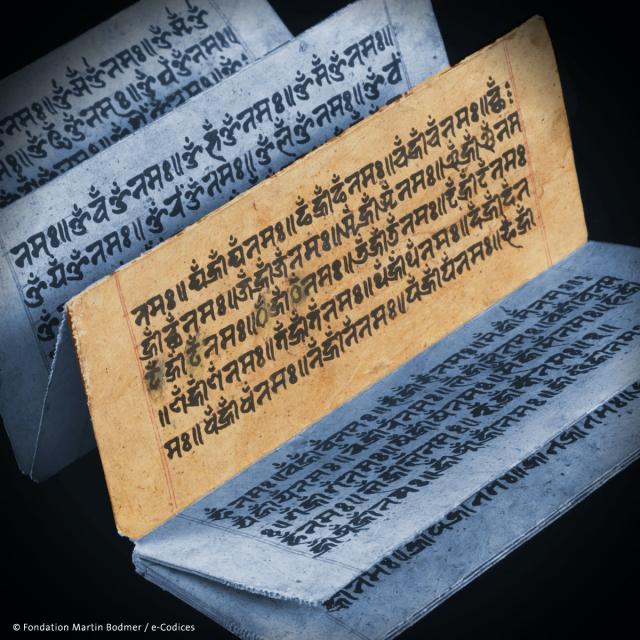
The Talmud is one of the richest and most complicated works of literature the world has ever known. Since being composed around 1500 years ago it has inspired not only religious reverence but significant intellectual engagement. In this course learners will be introduced to the unique characteristics of this text and the challenges that inhere in studying it while studying a chapter of the Talmud.

Nov 16th 2026
5-12 Weeks
Old Norse Mythology in the Sources (Coursera) Coursera
University of Colorado Boulder

Old Norse Mythology in the Sources (Coursera)

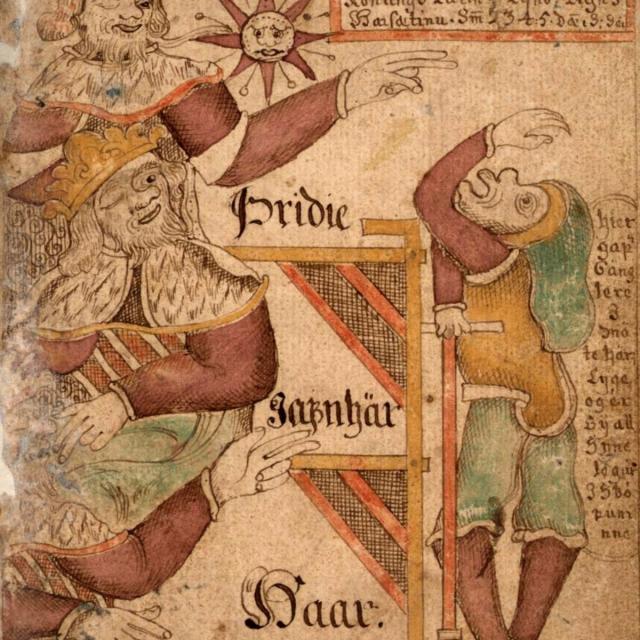
This course is an introduction to the religion of the Vikings as it is recorded in Old Norse and Scandinavian literature from the medieval period. You will learn about the different written sources and what they can teach us about pre-Christian religion in northern Europe in the Viking Age. The course surveys the primary collection of Old Norse poetry about the pre-Christian Scandinavian gods, the Poetic Edda. We will also work with the main collections of stories about the Old Norse gods in prose: Snorri Sturluson's Edda and Saxo's History of the Danes.

Nov 2nd 2026
4 Weeks
Poetry: How to Read a Poem (FutureLearn) FutureLearn
University of York

Poetry: How to Read a Poem (FutureLearn)

Discover what poetry can tell us about human emotion and learn key ideas and techniques for understanding and interpreting verse. Dive into the wonderful world of poetry and learn how to analyse a poem. Humans have communicated their thoughts, ideas, and feelings through poetry throughout history. At its best, it tells us new truths about the human experience. However, it’s often presented as hard to understand without expert knowledge. On this course, you’ll build your confidence in reading and enjoying poetry.

Self Paced
4 Weeks
Uncovering the Voices of Japanese Literature (edX) EdX
Waseda University,WasedaX

Uncovering the Voices of Japanese Literature (edX)

This course explores issues of agency in premodern and modern Japan. Discover many facets of the Japanese literary, theatrical, and intellectual traditions which, although important, are rarely taught around the world. This course will provide you with an introduction and a basis for further study in Japanese history, culture, literature, arts, and other areas which you may intend to explore in the future.

Self Paced
Self-Paced
Writing and Disseminating Grey Literature (Coursera) Coursera
Indian Institute for Human Settlements

Writing and Disseminating Grey Literature (Coursera)

If you are a researcher, academic, student, development sector professional or a practitioner who is keen to reach the research-based knowledge you have created to a wider audience, this course is for you. Vast amounts of knowledge are produced by educational and research institutions through rigorous research and fieldwork. Yet, there is a dearth of access to this knowledge among non-academic communities (which includes practitioners, policymakers, and citizens) due to the language used. Researchers can bring visibility to grey literature if they engage with alternate public writing forms.

Oct 19th 2026
5-12 Weeks