ART of the MOOC: Activismo y Movimientos Sociales (Coursera)

ART of the MOOC: Activismo y Movimientos Sociales (Coursera)

Este curso es para activistas, artistas y pensadores que deseen entender mejor el cambio social y participar en él. El contenido del curso enfoca en la coincidencia prolífica y emocionante entre el arte socialmente comprometido y prácticas culturales generadas por recientes movimientos sociales en todo el mundo. Más que evaluar la eficacia política de actividades como el luto, la escucha, la organización, el baile, o la fiesta, las conferencias examinan tales actividades culturales al lado y dentro de la práctica artística contemporánea.

Class Deals by MOOC List - Click here and see Coursera's Active Discounts, Deals, and Promo Codes.

El curso incluye presentaciones de importantes artistas, activistas y académicos invitados como: Rebecca Gomperts, Chido GoVera, Gulf Labor, Hans Haacke, Sharon Hayes, Jolene Rickard, Gregory Sholette, Joshua Wong, y muchos más. Diseñado por el artista y profesor de Duke, Pedro Lasch, e impartido con el director artístico de Creative Time, Nato Thompson, este curso invita a todos los que participan en él a tratar el MOOC en sí mismo como una forma social y artística. Esto sucede sobre todo a través de los componentes prácticos, proyectos producidos localmente, intercambios mundiales, y el comentario crítico.
No se requiere experiencia previa con el arte o el activismo, aunque los proyectos también incluyen buenas opciones para alumnos avanzados.

Syllabus

WEEK 1
Introducción al activismo y movimientos sociales
Este módulo corto te proporciona un resumen de la estructura del curso, proceso de trabajo, comunidad mundial, y las pautas generales. Asegúrate de leerlo inmediatamente y revísalo también más tarde si hace falta.

WEEK 2
El activismo y movimientos sociales: conferencias, presentaciones por invitados, y prueba
Esta parte primera se dedica a la coincidencia prolífica y emocionante entre el arte socialmente comprometido y las prácticas culturales generadas por los recientes movimientos sociales de todo el mundo. El ambientalismo, el activismo del SIDA, los movimientos queer, el zapatismo, manifestaciones de inmigrantes, altar-globalización, el World Social Forum [Foro social mundial], Occupy [Ocupa], el Hong Kong Umbrella Movement [movimiento del paraguas de Hong Kong], boicot de museos, y los levantamientos democráticos en el Medio Oriente se verán en diálogo con los productores culturales que participan en estos movimientos o están inspirados por ellos. En lugar de evaluar la eficacia política de tales actividades culturales, vamos a examinar su lugar dentro de las prácticas artísticas contemporáneas. Basada en la escucha, la organización, el baile, o la fiesta, la contribución de cada estudiante responderá a un movimiento social específico de su elección para cada uno de sus proyectos.

WEEK 3
El activismo y movimientos sociales: proyecto y evaluaciones
El apunte, la lectura, y las presentaciones de los invitados proporcionarán la base e inspiración para los estudiantes en sus propios experimentos con la política espacial. Los estudiantes tendrán que elegir una lección para completar: El proyecto de método social o el proyecto de flashmob mundial.

WEEK 4
La estética, la historia del arte, y las instituciones culturales: Conferencias, presentaciones por invitados, y prueba
Así como los movimientos sociales recientes han transformado el arte y la cultura contemporáneo, activistas han dependido de las ideas desarrolladas en los círculos culturales más especializados, a veces sin saberlo. Empezando con una investigación de las maneras en que el arte público socialmente comprometido ha sido incluido y excluido de algunos narrativas, teorías, instituciones y eventos, utilizaremos esta lección para seguir las prácticas sociales que cuestionan el arte e historia del arte convencional. Al hacerlo, les invitará a los estudiantes crear proyectos que se comprometan directamente en el cultivo, la agricultura, la cocina, o comer—actividades que son fundamentalmente sociales, sino que se ve tradicionalmente en contradicción con la producción artística seria.

WEEK 5
La estética, la historia del arte, y las instituciones culturales: proyecto y evaluaciones por pares
El apunte, la lectura, y las presentaciones de los invitados proporcionarán la base e inspiración para los estudiantes en sus propios experimentos con la política espacial.

WEEK 6
Saberes del cuerpo: conferencias, presentaciones de invitados, y prueba
Esta lección se utilizará el concepto de ‘saberes del cuerpo’ para vincular el activismo y el arte socialmente comprometido al arte en vivo, los gestos, y ‘escribir sin palabras.’ Reconociendo que el conocimiento es inseparable de la experiencia vivida, física, y social, ‘saberes del cuerpo’ cuestionan los paradigmas occidentales que separan la información del asunto, razón del afecto, la mente del cuerpo, la trabajadora de su trabajo, el individuo del colectivo. Los componentes prácticos de esta lección les pidan a los estudiantes que piensen activamente ‘desde’ su propio sitio de enunciación y ‘a través de’ sus propios saberes del cuerpo.

WEEK 7
Saberes del cuerpo: proyecto y evaluaciones por colegas

WEEK 8
Conferenciantes invitados adicionales (opcionales) A-Z

Go to Class
MOOC List is learner-supported. When you buy through links on our site, we may earn an affiliate commission.

Related Courses

Modern Art & Ideas (Coursera) Coursera
The Museum of Modern Art

Modern Art & Ideas (Coursera)

Welcome to Modern Art & Ideas! This course is designed for anyone interested in learning more about modern and contemporary art. Over the next five weeks, you will look at art through a variety of themes: Places & Spaces, Art & Identity, Transforming Everyday Objects, and Art & Society. Each week kicks off with a video that connects works of art from The Museum of Modern Art’s collection to the theme. You will hear audio interviews with artists, designers, and curators and learn more about selected works in the additional readings and resources.

Jul 27th 2026
5-12 Weeks
Art & Activity: Interactive Strategies for Engaging with Art (Coursera) Coursera
The Museum of Modern Art

Art & Activity: Interactive Strategies for Engaging with Art (Coursera)

Art can be a powerful catalyst for building skills and understanding a range of subjects. Intended for primary and secondary teachers of all disciplines, Art & Activity builds upon the inquiry-based approaches of Art and Inquiry: Museum Teaching Strategies for Your Classroom, while delving into activity-based strategies that will make your students empowered participants.

Aug 3rd 2026
4 Weeks
Richard Schechner's Introduction to Performance Studies (Coursera) Coursera
New York University

Richard Schechner's Introduction to Performance Studies (Coursera)

Performance Studies: An Introduction explores the wide world of performance--from theatre, dance, and music to ritual, play, political campaigns, social media, and the performances of everyday life. Performance studies also ranges across cultures--Asia, Africa, the Caribbean, Europe, the Americas. And it spans historical periods from the art of the paleolithic caves to YouTube and the avantgarde. This course is devised by Richard Schechner, one of the pioneers of performance studies, in dialogue with more than a dozen expert scholars and artists.

Aug 3rd 2026
13-24 Weeks
Historia del Arte: Del Barroco al Arte Posmoderno (Coursera) Coursera
Universidad de Palermo

Historia del Arte: Del Barroco al Arte Posmoderno (Coursera)

El arte deriva de un deseo de la persona para comunicarse con otros” (Edvard Munch). Y es desde la prehistoria que el humano ha dejado impresas sus huellas a través del arte. ¿Qué características tienen esas huellas artísticas? ¿Qué nos comunican sobre el periodo de tiempo al que pertenecen? Sumergite en la historia del arte recorriendo este curso, partiendo desde la construcción del Arte Moderno y realizando un camino por los diferentes sistemas de representación dominantes de distintos períodos hasta llegar a la Muerte del Arte.

Aug 10th 2026
4 Weeks
Voces de cambio social (Coursera) Coursera
Laureate Education

Voces de cambio social (Coursera)

En momentos de turbulencia política, desconcierto medioambiental y permanente desigualdad social, los jóvenes creadores de cambio están liderando el camino para resolver los desafíos de la actualidad. ¿Qué está haciendo usted para crear un cambio positivo y sostenible? Voces de Cambio Social es un curso corto en línea gratuito, diseñado e impartido por ocho jóvenes emprendedores sociales.

Aug 3rd 2026
5-12 Weeks
Seeing Through Photographs (Coursera) Coursera
The Museum of Modern Art

Seeing Through Photographs (Coursera)

Although taking, sharing, and viewing photographs has become second nature for many of us, our regular engagement with images does not necessarily make us visually literate. This course aims to address the gap between seeing and truly understanding photographs by introducing a diversity of ideas, approaches, and technologies that inform their making. In this course you will look closely at 100 photographs from the collection of The Museum of Modern Art, going behind the scenes of the Museum and into artist studios through original films and audio interviews.

Jul 27th 2026
5-12 Weeks
Introduction to Typography (Coursera) Coursera
California Institute of the Arts

Introduction to Typography (Coursera)

Typography is the art of manipulating the visual form of language to enrich and control its meaning. It’s an essential area of skill and knowledge for graphic designers. Typography predates modern graphic design by around 500 years; it is rich in rules, conventions, and esoteric terminology—but it remains an exciting space for invention and expression.

Jul 27th 2026
4 Weeks
Network Dynamics of Social Behavior (Coursera) Coursera
University of Pennsylvania

Network Dynamics of Social Behavior (Coursera)

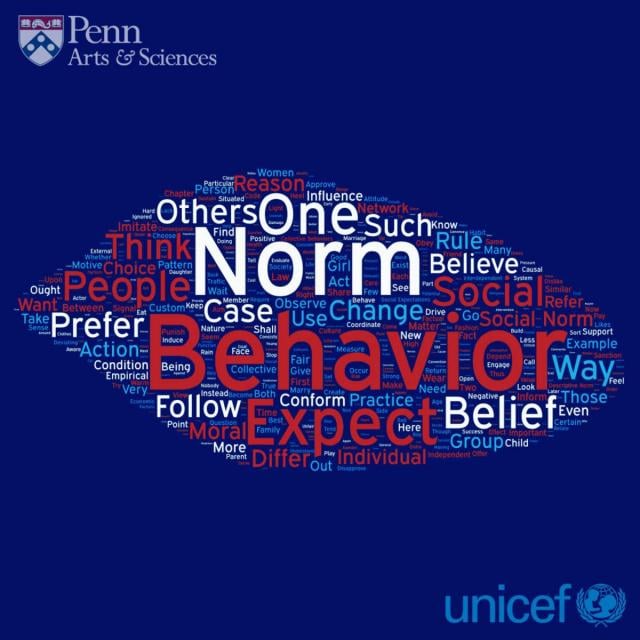
How do revolutions emerge without anyone expecting them? How did social norms about same sex marriage change more rapidly than anyone anticipated? Why do some social innovations take off with relative ease, while others struggle for years without spreading? More generally, what are the forces that control the process of social evolution –from the fashions that we wear, to our beliefs about religious tolerance, to our ideas about the process of scientific discovery and the best ways to manage complex research organizations?

Aug 3rd 2026
5-12 Weeks
Age of Cathedrals (Coursera) Coursera
Yale University

Age of Cathedrals (Coursera)

An introduction to some of the most astonishing architectural monuments the world has ever known—Gothic cathedrals. We shall study the art, literature, intellectual life, economics, and new social arrangements that arose in the shadow of the cathedrals and that were such an important part of the revival of cities in the twelfth and thirteenth centuries. The goal of the course is a better appreciation of the High Middle Ages, a world that is still recognizably our own.

Aug 3rd 2026
5-12 Weeks
Introduction to Game Design (Coursera) Coursera
California Institute of the Arts

Introduction to Game Design (Coursera)

Welcome! This course is an introduction to the primary concepts of gaming, and an exploration of how these basic concepts affect the way gamers interact with our games. In this course you will understand what defines a “game” and the mechanics and rules behind different types of games. Through four linked assignments you'll learn ways to create and describe a game concept, and specifically what makes a compelling game. This course focuses on the conceptual underpinnings of games, and all assignments can be completed with a pencil and paper – no previous programming knowledge is required.

Jul 27th 2026
4 Weeks
Applied Public History: Places, People, Stories (Coursera) Coursera
University of London

Applied Public History: Places, People, Stories (Coursera)

This course introduces learners to applied public history: understanding and interpreting the past today, and engaging diverse communities in the practice of making and sharing histories. The course draws on project case studies, expert insights and diverse perspectives to model exciting approaches to researching and sharing the history of places and people. Learners will develop a toolkit to apply in their own practice, by participating in discussion, quizzes, creative activities and mini masterclasses. What kinds of stories can we discover through research into the history of places and people?

Aug 10th 2026
5-12 Weeks