EdX

Aquaponics – the circular food production system (edX)

Aquaponics – the circular food production system (edX)

Aquaponics is polyculture which combines aquaculture and hydroponics cultivation, i.e. fish farming and soil-independent food production, in a circulatory system with the aim of recycling nutrients from fish farming wastewater. In this MOOC course of the ZHAW you will learn the most important points about aquaponics and how to plan and design such a sustainable production system.

Class Deals by MOOC List - Click here and see EdX's Active Discounts, Deals, and Promo Codes.

Aquaponic technology continues to attracts a lot of attention around the globe, especially in the context of urban farming. But how exactly does an aquaponic system work and more important what knowledge do I need to successfully run an aquaponic system?
In this course you will obtain answers to these questions. The curriculum will give you an understanding of central topics in the field of aquaponics. Aquaponics is a circulation technology based on a broad knowledge base: from water chemistry, fish and plant physiology, to engineering and microbiology. It can thus serve as a learning model for inter- and transdisciplinary thinking and acting.
This course is for:

  • Everyone interested in Aquaponics with a basic understanding of natural sciences (Biology, Chemistry, Physics) on undergraduate degree level
  • Professionals in the sector of Aquaculture and Hydroponics
  • Aquaponic practitioners who want to gain additional knowledge on specific topics
What you'll learn

  • Understand the basic technology principle behind aquaponics, assess the advantages and disadvantages of aquaponic systems and get a vision of potential applications in terms of Urban Agriculture and Urban Farming.
  • Get familiar with basic concepts of fish welfare and fish nutrition, especially in terms of practical aspects related to fish feeds and feeding schedules.
  • Understand the principles of fish cultivation in recirculating aquaculture systems (RAS), its needed technical components and the important role of water treatment and monitoring.
  • Understand basic plant anatomy, physiology, and growing requirements. Be able to calculate the nutrient water balance and the required amounts of nutrient supplementation.
  • Understand the basic principles of hydroponics and its different cultivation systems. Become familiar with plan varieties suitable for aquaponic systems, learn about the key factors of integrated pest control and how to monitor plants.
  • Know how to assemble the basic components of an aquaponic system, and understand the importance of water flow from one component to another. Be able to plan and design an aquaponic system yourself.

Syllabus

To run an aquaponic system you need broad knowledge ranging from water chemistry, fish and plant physiology, to engineering and entrepreneurial thinking. Therefore, the course is structured into six main topics:

Basic Principles of Aquaponics
Basics of Aquaponics; Opportunities, Risks, Challenges, and Limitations; Aquaponics and Urban Agriculture, a global perspective

Aquaculture Part 1
Fish Anatomy and Physiology; Feeding and Growth; Fish Health and Welfare in Aquaculture

Aquaculture Part 2
Recirculating Aquaculture System (RAS) Engineering; Management; Calculations

Hydroponic Part 1
Hydroponic Systems; Plant Anatomy, Physiology and Growth Requirements; Nutrient Supply

Hydroponic Part 2
Plant Varieties; Plant Monitoring; Integrated Pest Management (IPM)

Aquaponic System Design and Calculation of Dimensions
System Design and Planning; Calculating the Dimensions of your Aquaponic System
To enhance your learning, you will have access to videos, course literature, forum contributions, discussions, practical sessions, individual work, and quizzes. In week 6, as a project, you will design an aquaponic system and calculate its dimensions.

Prerequisites:
This course is for:

  • Everyone interested in Aquaponics with a basic understanding of natural sciences (Biology, Chemistry, Physics) on undergraduate degree level
  • Professionals in the sector of Aquaculture and Hydroponics
  • Aquaponic practitioners who want to gain additional knowledge on specific topics

Go to Class
MOOC List is learner-supported. When you buy through links on our site, we may earn an affiliate commission.

Related Courses

Retos de la Agricultura y la Alimentación en el Siglo XXI (edX) EdX
Universitat Politècnica de València,UPValenciaX

Retos de la Agricultura y la Alimentación en el Siglo XXI (edX)

Reflexionaremos sobre agricultura y alimentación en un planeta que tiene que alimentar a una población creciente con recursos limitados. El planeta se enfrenta al reto de alimentar a una población creciente en un escenario de limitación de recursos, mercados agroalimentarios imperfectos, crisis de alimentos, y población rural vulnerable. El curso invita a una reflexión sobre las alternativas de la agricultura y la alimentación, vistas como solución a los desafíos socio-económicos y ambientales, con énfasis en el papel de la agricultura familiar y en modos de producción sostenibles, en el marco de cadenas de valor más equilibradas.

No sessions available
5-12 Weeks
Exploring Sustainable Production Systems (FutureLearn) FutureLearn
Luleå University of Technology,Arbeta Tillsammans,Interreg Nord,Region Norrbotten

Exploring Sustainable Production Systems (FutureLearn)

Discover the importance of sustainable production systems for our natural environment, global economy, and local communities. Examine sustainable production through a social, economic, and ecological lens. Sustainable production systems are manufacturing processes that conserve natural resources and energy. They do not negatively impact the environment or the communities around them, nor harm the people working in them.

Apr 11th 2022
3 Weeks
Modelos comerciales circulares para sistemas alimentarios urbanos sostenibles (FutureLearn) FutureLearn
EIT Food,University of Helsinki,EIT,University of Turin

Modelos comerciales circulares para sistemas alimentarios urbanos sostenibles (FutureLearn)

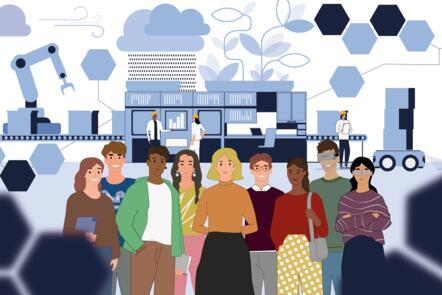
Descubra cómo los modelos comerciales circulares transforman los sistemas alimentarios urbanos. Explore cómo la economía circular puede fomentar sistemas alimentarios urbanos. En un contexto donde la población mundial alcanzará los 9 mil millones de personas en 2050, con casi el 70% de ellas concentradas en zonas urbanas y que requerirán tres veces más recursos de los que usamos actualmente, la “economía lineal” tradicional ya no funciona.

Jan 3rd 2022
4 Weeks
Heart Physiology (Coursera) Coursera
Saint Petersburg State University

Heart Physiology (Coursera)

The program of the course "Heart Physiology" is compiled taking into account the state standard for teaching the basic course of physiology according to the undergraduate curriculum. An important feature of the course is the presentation of the material at different levels: a combination of molecular, cellular and systemic approaches in describing the functions of organs.

Jul 18th 2022
5-12 Weeks
Herramientas de la Economía Circular (Coursera) Coursera
Universidad de los Andes

Herramientas de la Economía Circular (Coursera)

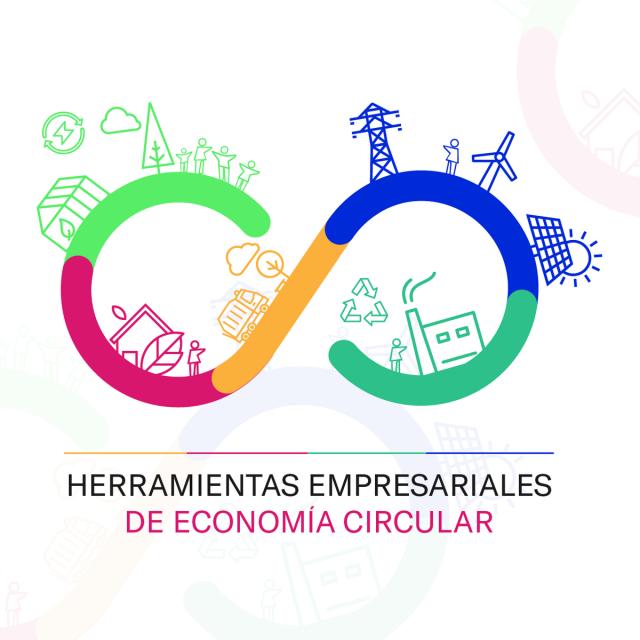
La Economía Circular representa una perspectiva de mejoramiento continuo para la transformación de sistemas de producción y consumo sostenibles. Aprender de sus herramientas, agrega un valor agregado concreto, a las competencias de profesionales interesados en la sostenibilidad ambiental y social. El presente curso ofrece aprender de la importancia de la Economía Circular a través de sus herramientas, útiles para el diseño de proyectos.

Jun 8th 2026
5-12 Weeks
Global Warming Science (edX) EdX
MIT,MITx

Global Warming Science (edX)

Learn about the physics, chemistry, biology, and geology of the earth’s climate system. Global Warming Science teaches you about the risks and uncertainties of future climate change by examining the science behind the earth’s climate. You will be able to answer such questions as, “What is the Greenhouse Effect?” and “How and why has earth’s climate changed through geologic history?”

No sessions available
13-24 Weeks
Anthropology of Current World Issues (edX) EdX
University of Queensland,UQx

Anthropology of Current World Issues (edX)

Learn to use anthropological ideas to see the world from a range of perspectives and points of view. This course will allow you to better understand the world around you through utilising the anthropological lens. You will learn about the way in which anthropology as a discipline can shed new perspectives on current world issues, from indigeneity to migration and material culture.

Self Paced
Self-Paced
Drawing Nature, Science and Culture: Natural History Illustration 101 (edX) EdX
The University of Newcastle, Australia,NewcastleX

Drawing Nature, Science and Culture: Natural History Illustration 101 (edX)

Learn how to see and draw nature like an illustrator. Build observational and visual interpretation skills in an interactive and enjoyable way. Whether an aspiring scientific or medical illustrator or someone who enjoys drawing nature’s wonders, this first-of-its-kind MOOC course is for you. The field of Natural History Illustration is about observing and illustrating subjects from nature, science and culture, with their linkages to the environment being central.

Feb 22nd 2023
5-12 Weeks
Molecular Biology - Part 1: DNA Replication and Repair (edX) EdX
MIT,MITx

Molecular Biology - Part 1: DNA Replication and Repair (edX)

An in-depth adventure through DNA replication and repair to strengthen your scientific thinking and experimental design skills. You’re acquainted with your DNA, but did you know that your cells synthesize enough DNA during your lifetime to stretch a lightyear in length? How does the cellular machinery accomplish such a feat without making more mistakes than you can survive?

Apr 16th 2024
5-12 Weeks
Introduction to Biology - The Secret of Life (edX) EdX
MIT,MITx

Introduction to Biology - The Secret of Life (edX)

Explore the secret of life through the basics of biochemistry, genetics, molecular biology, recombinant DNA, genomics and rational medicine. 7.00x is an introductory level biology course hosted by professor Eric Lander, who was one of the leaders of the Human Genome Project. The course content reflects the topics taught in the MIT introductory biology courses and many biology courses across the world.

Mar 12th 2024
13-24 Weeks