Molecular Foundations of Medicine (Stanford Online)

Offered by Stanford University,
Molecular Foundations of Medicine (Stanford Online)

This course contains selected topics that will help participants understand applications of molecular biology in medicine. Topics include reading the primary literature, molecular techniques, DNA recombination, and genome expression.

The materials consist of short videos linked to questions that help participants evaluate their understanding of the material.

Go to Class
MOOC List is learner-supported. When you buy through links on our site, we may earn an affiliate commission.

Related Courses

Clinical Terminology for International and U.S. Students (Coursera) Coursera
University of Pittsburgh

Clinical Terminology for International and U.S. Students (Coursera)

Understanding the clinical terms and abbreviations commonly used in U.S. hospitals is challenging. Adaptation to clinical language can be difficult for U.S. students entering the clinical area and even more so for international students whose primary language is not English. This course is designed to help both groups of students understand the terms and abbreviations commonly encountered during the first three months of clinical work on a U.S. hospital unit.

Jun 8th 2026
5-12 Weeks
Data Visualization for Genome Biology (Coursera) Coursera
University of Toronto

Data Visualization for Genome Biology (Coursera)

The past decade has seen a vast increase in the amount of data available to biologists, driven by the dramatic decrease in cost and concomitant rise in throughput of various next-generation sequencing technologies, such that a project unimaginable 10 years ago was recently proposed, the Earth BioGenomes Project, which aims to sequence the genomes of all eukaryotic species on the planet within the next 10 years. So while data are no longer limiting, accessing and interpreting those data has become a bottleneck. One important aspect of interpreting data is data visualization. This course introduces theoretical topics in data visualization through mini-lectures, and applied aspects in the form of hands-on labs.

Jun 1st 2026
5-12 Weeks
SciWrite: Writing in the Sciences (Stanford Online) Lagunita Stanford Online
Stanford University

SciWrite: Writing in the Sciences (Stanford Online)

This course teaches scientists to become more effective writers, using practical examples and exercises. Topics include: principles of good writing, tricks for writing faster and with less anxiety, the format of a scientific manuscript, and issues in publication and peer review. Students from non-science disciplines can benefit from the training provided in the first four weeks (on general principles of effective writing).

Self Paced
Self-Paced
The Oral Cavity: Portal to Health and Disease (Coursera) Coursera
University of Pennsylvania

The Oral Cavity: Portal to Health and Disease (Coursera)

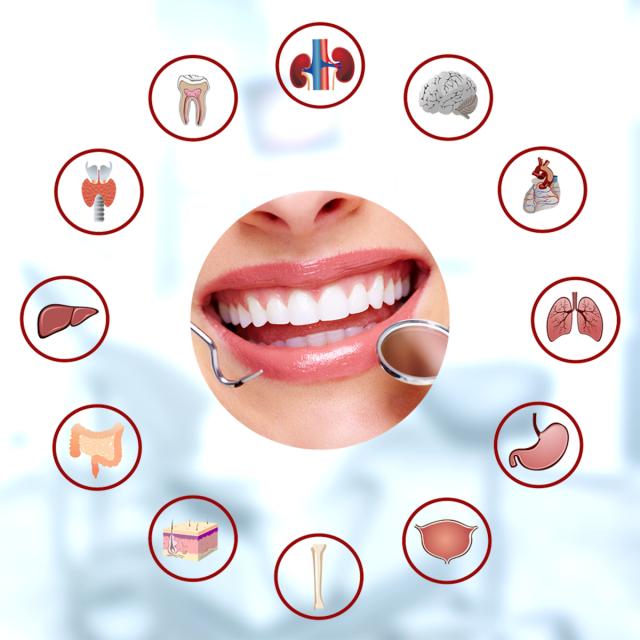
This course will focus on the interprofessional realtionship of dentistry and medicine. For each session, the medical specialist will present a broad overview of specific disease entity which will be followed by a dental educator discussing the relevant oral manifestations and implications. The final module of each session will be devoted to the interaction between the dental and other health care professionals.

Jun 15th 2026
5-12 Weeks
Types of Vaccine (Coursera) Coursera
Imperial College London

Types of Vaccine (Coursera)

This course explores the different types of vaccine available. This is a useful framework for understanding the scientific understanding that went into vaccine development. It also gives a perspective of how innovation (e.g. fundamental virology, molecular biology) work in a translational medicine context.

Jun 15th 2026
4 Weeks
Psychological First Aid (Coursera) Coursera
Johns Hopkins University

Psychological First Aid (Coursera)

Learn to provide psychological first aid to people in an emergency by employing the RAPID model: Reflective listening, Assessment of needs, Prioritization, Intervention, and Disposition. Utilizing the RAPID model (Reflective listening, Assessment of needs, Prioritization, Intervention, and Disposition), this specialized course provides perspectives on injuries and trauma that are beyond those physical in nature. The RAPID model is readily applicable to public health settings, the workplace, the military, faith-based organizations, mass disaster venues, and even the demands of more commonplace critical events, e.g., dealing with the psychological aftermath of accidents, robberies, suicide, homicide, or community violence.

Jun 15th 2026
5-12 Weeks
Everyday Chinese Medicine 2 (Coursera) Coursera
The Chinese University of Hong Kong

Everyday Chinese Medicine 2 (Coursera)

This course, Everyday Chinese Medicine II offered by the Chinese University of Hong Kong, aims to show to the public, as well as the healthcare professionals about the basic principles of Chinese medicine. Our primary goal is to empower healthcare choices by promoting awareness and practical application on Chinese medicine diagnostic and therapeutic approaches, and to facilitate interprofessional education between Chinese and conventional clinicians.

Jun 15th 2026
5-12 Weeks
Genomics: Decoding the Universal Language of Life (Coursera) Coursera
University of Illinois at Urbana-Champaign

Genomics: Decoding the Universal Language of Life (Coursera)

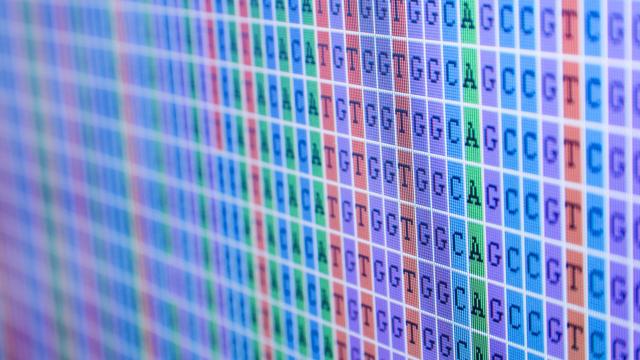
What is a genome? A genome contains all of the information that a cell needs to develop, function, and reproduce itself, and all the information needed for those cells to come together to form a person, plant, or animal. Genomes contain an organism’s complete set of genes, and also the even tinier genetic structures that help regulate when and how those genes are used. The ability to regrow a torn ligament, the clues that might predict the onset of mental illness, the nutritional potential of crops, and even the history of life itself, are all encoded in genomes. By taking this course, you will discover how scientists are deciphering the language of genomes to learn how to develop sustainable food and fuel supplies, improve disease treatment and prevention, and protect our environment.

Jun 8th 2026
5-12 Weeks
Understanding Patient Perspectives on Medications (Coursera) Coursera
University of Copenhagen

Understanding Patient Perspectives on Medications (Coursera)

Inappropriate use of medicines harms patients’ health and increases healthcare costs. When healthcare professionals and patients engage together, healthcare can be based on the patient perspective, so the use of medicines is better tailored to each patients’ needs and preferences. The result is a better relationship between patients and healthcare professionals, more appropriate medicines use, improved patients’ outcomes, and reduced healthcare costs. In this course you will learn about the patient perspective on medicines use, and how to explore and apply it in healthcare and health policy.

Jun 1st 2026
4 Weeks
Wilderness First Aid - Introduction (Coursera) Coursera
University of Colorado System

Wilderness First Aid - Introduction (Coursera)

In this course, students will learn the basics of wilderness medicine, including how it is a unique clinical environment, and concepts of scene safety. They will learn how to perform a basic assessment of a patient, including a physical exam, gather history data using the SAMPLE approach, and how to evaluate a patient for a potential spinal cord injury.

Jun 8th 2026
4 Weeks
Big Data, Genes, and Medicine (Coursera) Coursera
The State University of New York

Big Data, Genes, and Medicine (Coursera)

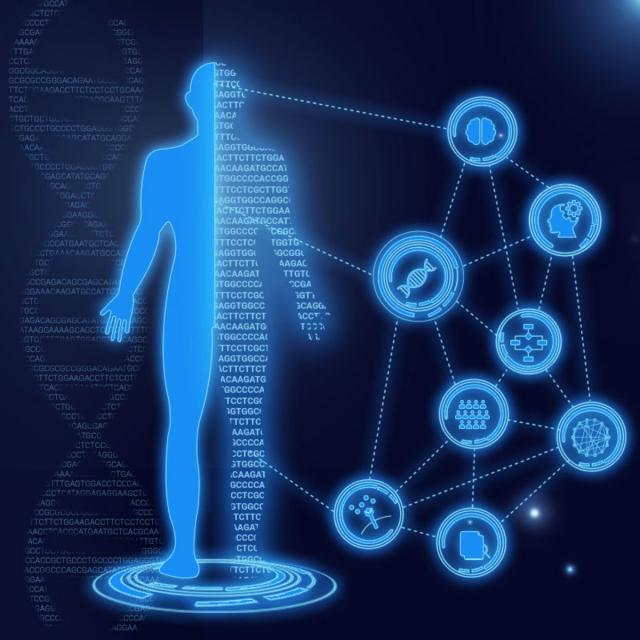
This course distills for you expert knowledge and skills mastered by professionals in Health Big Data Science and Bioinformatics. You will learn exciting facts about the human body biology and chemistry, genetics, and medicine that will be intertwined with the science of Big Data and skills to harness the avalanche of data openly available at your fingertips and which we are just starting to make sense of.

Jun 8th 2026
5-12 Weeks