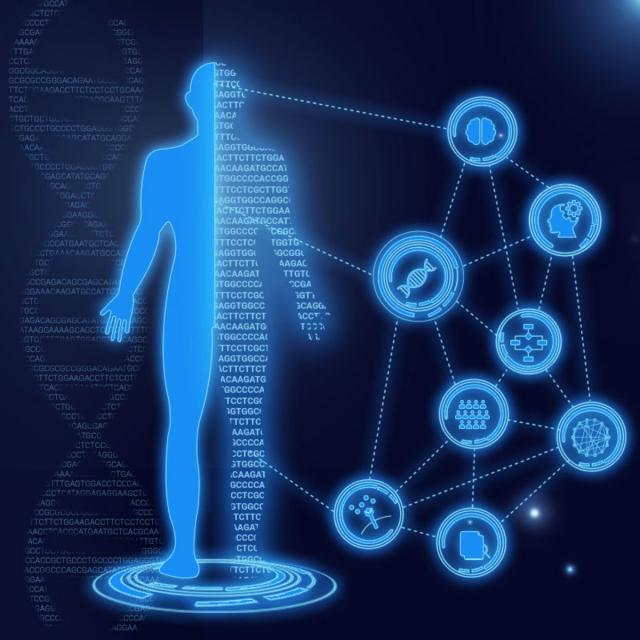
An increasing volume of data is becoming available in biomedicine and healthcare, from genomic data, to electronic patient records and data collected by wearable devices. Recent advances in data science are transforming the life sciences, leading to precision medicine and stratified healthcare. In this course, you will learn about some of the different types of data and computational methods involved in stratified healthcare and precision medicine.
Class Deals by MOOC List - Click here and see Coursera's Active Discounts, Deals, and Promo Codes.
You will have a hands-on experience of working with such data. And you will learn from leaders in the field about successful case studies.
Topics include: (i) Sequence Processing, (ii) Image Analysis, (iii) Network Modelling, (iv) Probabilistic Modelling, (v) Machine Learning, (vi) Natural Language Processing, (vii) Process Modelling and (viii) Graph Data.
Syllabus
WEEK 1
Welcome to the Course
Join us this week to find out how the course works and to try your hand at programming in Python!
WEEK 2
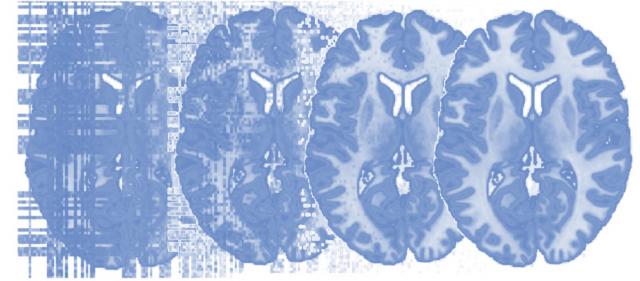
This week you will be introduced to Sequence Processing and Medical Image Analysis. Explore the course materials to find out about recent advances in these areas and how they contribute to Precision Medicine!
WEEK 3
This week you will learn about Probabilistic and Network Modelling, and how they are applied to biomedicine. You will also be introduced to Machine Learning and explore the opportunities it brings to the medical field.
WEEK 4
This week you will discover how clinical notes and other free-form text can be analysed with the use of Natural Language Processing techniques. You will also find out how Process Modelling can help us understand, stratify and improve healthcare processes.
WEEK 5
In this final week of the course you will learn how the Graph Data model allows for effective linkage of different data in the life sciences. You will also explore societal, legal and ethical implications of precision medicine and stratified healthcare.