Modellazione digitale 3D: dal file al modello fisico (POK)

Offered by Politecnico di Milano,
Modellazione digitale 3D: dal file al modello fisico (POK)

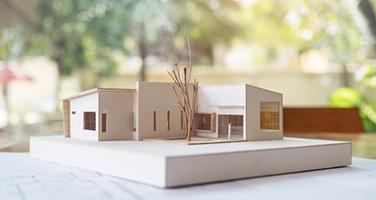
Costruire modelli architettonici con l’aiuto di tecnologie CNC, per il taglio di materiali in lastra attraverso: laser, lama o filo a caldo e per la realizzazione di elementi tridimensionali tramite stampa 3D. Il corso presenta diverse tecnologie CNC utilizzabili nella realizzazione di modelli architettonici. In particolare per il taglio di materiali in lastra attraverso: plotter laser, plotter a lama o plotter a filo a caldo e per la realizzazione di elementi tridimensionali tramite stampa 3D a filamento e a resina liquida. Il corso si propone di fornire le conoscenze necessarie ad una scelta consapevole delle diverse tecnologie in base ai materiali scelti per la realizzazione del modello e fornisce le informazioni base per la produzione di idonei disegni CAD.

I contenuti sono organizzati in 2 week:
Week 1 – Il taglio CNC
Week 2 – La stampa 3D

Plotter da taglio – permette di conoscere e capire il funzionamento di diverse tecnologie di taglio CNC: taglio laser, taglio a lama e taglio a filo a caldo e quale sia meglio utilizzare per la lavorazione dei più comuni materiali utilizzati nella costruzione di modelli architettonici. La preparazione dei file per il taglio CNC – permette di elaborare file di disegno CAD idonei all’utilizzo di plotter da taglio CNC.
Stampanti 3D - permette di conoscere e capire il funzionamento di diverse tecnologie di stampa 3D: a filamento fuso FDM e a resina liquida SLA; quali siano le potenziali e i limiti dell’uso di queste tecnologie additive nella realizzazione di modelli architettonici. La preparazione dei file per la stampa 3D – permette di comprendere le logiche dei software di stampa 3D, e i principali parametri da gestire per la realizzazione di modelli architettonici o parti di essi.

Go to Class
MOOC List is learner-supported. When you buy through links on our site, we may earn an affiliate commission.

Related Courses

Modellazione digitale 3D: output (POK) Polimi OPEN KNOWLEDGE
Politecnico di Milano

Modellazione digitale 3D: output (POK)

Generare dal modello 3D file per la stampa grafica, e per la prototipazione fisica mediante macchine da taglio e stampanti 3D a deposizione. Il programma si propone di fornire indicazioni e consigli per la stampa di modelli digitali 3D su carta, e per la prototipazione mediante macchine da taglio CNC e macchine a deposizione FDM, ponendo particolare attenzione all'impaginazione delle viste da stampare su carta, alla scomposizione del modello da stampare in FabLab, alle scale di lavoro.

Available
2 Weeks
Reimagining Blackness and Architecture (Coursera) Coursera
The Museum of Modern Art

Reimagining Blackness and Architecture (Coursera)

Architecture structures our daily lives. It shapes our homes, streets, neighborhoods, cities and more. But who gets to create and occupy these spaces? In the United States, a long history of anti-Black racism has created spatial inequalities that are built into the physical environment and erased the stories of Black architects and communities. Reimagining Blackness and Architecture explores the relationship between architecture and Blackness as an identity and a lived experience.

Sep 7th 2026
5-12 Weeks
3D Printing Hardware (Coursera) Coursera
University of Illinois at Urbana-Champaign

3D Printing Hardware (Coursera)

This course will provide an in-depth exploration of desktop 3D printing hardware. It will examine the history of desktop 3D printing and demonstrate how 3D printers are made and how they work. This course will also provide step-by-step instructions for how to use and repair a 3D printer. It will also explore the different types of materials that can be 3D printed and will demonstrate how you can create various objects using these tools and materials.

Sep 14th 2026
5-12 Weeks
Interpreting Vernacular Architecture in Asia (edX) EdX
University of Hong Kong,HKUx

Interpreting Vernacular Architecture in Asia (edX)

Discover the value of local peoples' traditional built environments in Asia, find inspiration in these buildings, and learn how to conserve them for future generations. This course is about architecture. But it’s not about grand structures such as monuments or royal palaces. Rather, it is about the built environment that the ordinary people live in. Instead of the architectural techniques, we use stories to understand the processes through which people make their building decisions.

Self Paced
Self-Paced
Railway History: The Rise of the Railway Station (FutureLearn) FutureLearn
University of Strathclyde

Railway History: The Rise of the Railway Station (FutureLearn)

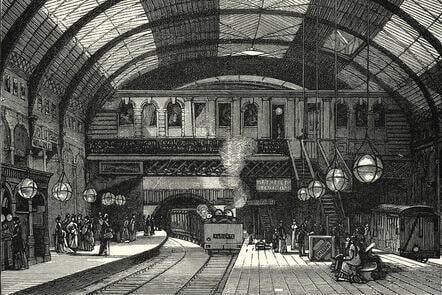
Gain a unique insight into British history as you explore the heritage and uses of railway stations from the 19th century to now. Go behind the scenes of York Railway Museum with the University of Strathclyde. Railway stations are an integral part of British history, helping to shape the economy and Britain’s built environment. On this four-week course, you’ll discover the heritage of railway stations and their significance in British history and culture.

Self Paced
4 Weeks
Engineering and Product Design Processes (Coursera) Coursera
Arizona State University

Engineering and Product Design Processes (Coursera)

Welcome to “Engineering and Product Design Processes!” In this short course, you will learn how engineering design processes and product design processes are carried out. After the course, you will be familiar with the steps in both design processes. You will also be familiar with the main goal of each design process, as well as their similarities and differences.

Sep 7th 2026
4 Weeks
3D Printing Capstone Coursera
University of Illinois at Urbana-Champaign

3D Printing Capstone

The capstone will integrate the learning acquired from the four courses in the 3D Printing Specialization through a hands-on project. This project will enable you to turn an idea into an object using the knowledge and skills acquired through the other courses. Specifically, you will be guided through a step-by-step process in which you imagine, design, make, and share a 3D printed object. Thus, through this capstone, you will be able to put course concepts into action and utilize the skills that you have acquired throughout the Specialization.

Sep 28th 2026
4 Weeks