Keep Food Safe! Food Safety Basics (Skillshare)

Offered by Skillshare,
Keep Food Safe! Food Safety Basics (Skillshare)

Anyone who desires to learn how to cook should be aware of the following basic handling food safety guidelines. When dealing with food, common sense principles apply. Food safety must be thoroughly respected at all times to avoid food-borne illnesses and should be taken very seriously.

The next lessons will give you a good understanding and will help you and those you cook for avoid food poisoning.
Part 1: Read the attached PDF documents, you will find additional information about the subject.
Part 2: Do a research on the Internet about a recent case of food-related poisoning in your country and submit the case to the community.

It does not need to be literature; you can simply answer the following questions:

  • What was the issue?
  • Where and when did it happen?
  • What caused the issue?
  • What were the outcomes?
  • How could it have been prevented?

The goal of this assignment is to realize the importance of food safety rules.

Go to Class
MOOC List is learner-supported. When you buy through links on our site, we may earn an affiliate commission.

Related Courses

The Science of Gastronomy (Coursera) Coursera
The Hong Kong University of Science and Technology - HKUST

The Science of Gastronomy (Coursera)

This course introduces a number of basic scientific principles underpinning the methodology of cooking, food preparation and the enjoyment of food. All topics covered have a strong basis in biology, chemistry, and physics application. Among others, they include the consumption of cooked food, the physiological and evolutionary implication of the senses, geographic and cultural influences on food, and the rationale behind food preparation. We will also discuss issues such as coupling of senses to improve sense stimulation; altering flavor by chemical means; and modification of the coloration to improve the appearance of dishes. Following the video demonstrations of the scientific principles of cooking, you will learn to recognize the key ingredients and their combinations for preparing good healthy food.

Oct 27th 2026
5-12 Weeks
Population, Food, and Soil (Coursera) Coursera
Dartmouth College

Population, Food, and Soil (Coursera)

This course explores the population-environment relationship. In this course, you will learn about the human population and the ways in which changes in the population affect the environment. Agriculture, soils, and the environmental implications of eating meat, vegetables, local, organic, sustainable, industrial, and other types of food are discussed too.

Nov 2nd 2026
4 Weeks
Edible Insects (Coursera) Coursera
National Taiwan University

Edible Insects (Coursera)

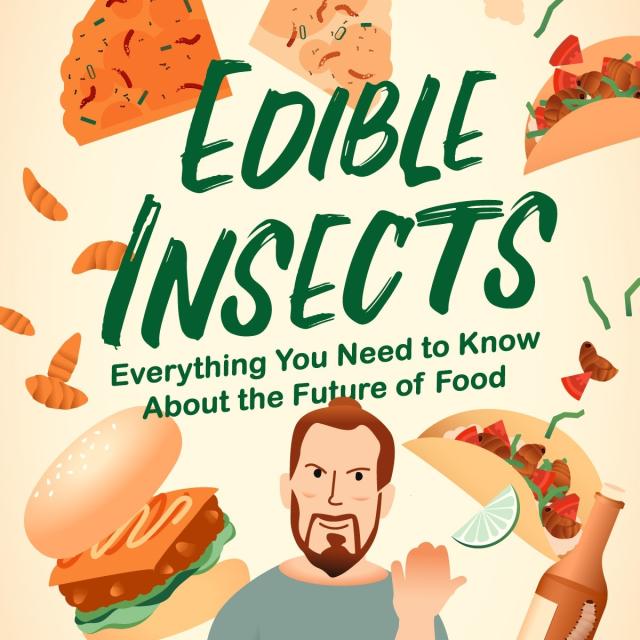
This English language course covers the science and sociology of insects as food and feed. Increasing media, investment, and public policy attention has been given over the years to the role insects may play in the future of food. Can eating insects really save the world from famine and environmental destruction? Are there health costs or benefits to adding insects to the diet? Will all people accept insects as food? Can we feed them to livestock? Should we be promoting edible insects at all, and if so, how best do we do it? What species will we eat and how shall we raise them?

Nov 9th 2026
4 Weeks
Unravelling solutions for Future Food problems (Coursera) Coursera
Universiteit Utrecht

Unravelling solutions for Future Food problems (Coursera)

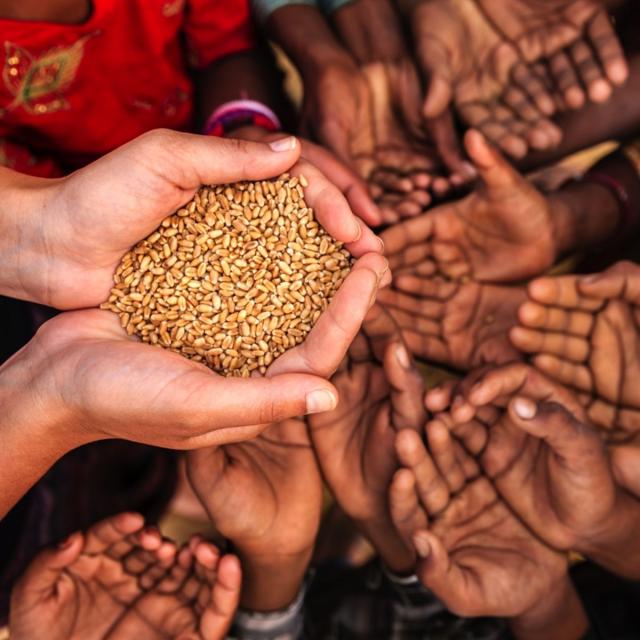
Our society depends on the availability of food and accessibility to it. According to the United Nations nearly 800 million people are hungry and on the other hand, over 650 million people are obese. While many people in developing countries experience food shortage, in industrialized countries people are throwing food away. These facts show how paradoxical and complex the world’s food problem is.

Nov 1st 2026
5-12 Weeks
Feeding the World (Coursera) Coursera
University of Pennsylvania

Feeding the World (Coursera)

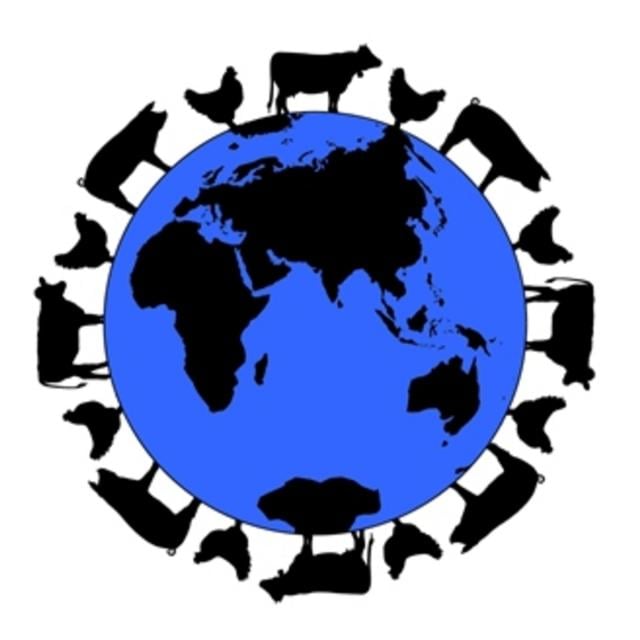
This course will explore the concepts driving current food production science (population growth, urbanization, emerging affluence, resource constraints, and underlying biological limits) with the main focus on livestock production. Each of the major food animal species (dairy, swine, beef, and poultry) will be covered in terms of their universal life cycles, constraints to production and emerging societal issues.

Nov 9th 2026
5-12 Weeks
Act on Climate: Steps to Individual, Community, and Political Action (Coursera) Coursera
University of Michigan

Act on Climate: Steps to Individual, Community, and Political Action (Coursera)

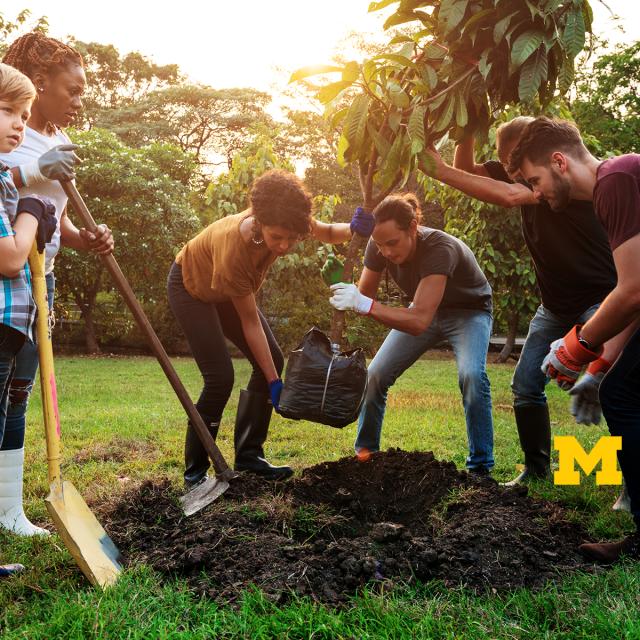
Are you concerned about climate change? Would you like to learn how to address and respond to this challenge? If so, this course is for you. Act on Climate: Steps to Individual, Community, and Political Action is intended to help learners understand, address and respond to climate change as individuals and in partnership with their communities and political leaders.

Nov 2nd 2026
5-12 Weeks
Corn, Fire, & Spice: A Blueprint for Making Enchiladas Verdes (Skillshare) Skillshare
Skillshare

Corn, Fire, & Spice: A Blueprint for Making Enchiladas Verdes (Skillshare)

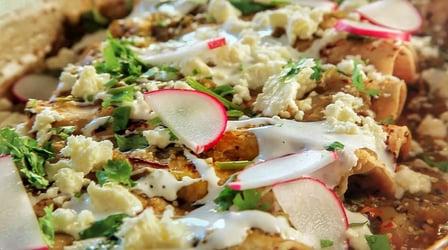
Bold. Delicious. And packed with flavor. Who doesn’t love enchiladas? In this fast-paced class, geared towards the beginner, you’ll learn the basics of making green chicken enchiladas with an array of traditional ingredients, using the time-honored (read: secret) techniques of the Mexican kitchen, from charring on a comal to frying sauces, on your way to making luscious, deep-flavored enchiladas.

Self Paced
Self-Paced