Introduction to Translational Science (Coursera)

Introduction to Translational Science (Coursera)

Translational science seeks to speed up the process of moving research discoveries from the laboratory into healthcare practices. Numerous scientific and organizational roadblocks can act as obstacles along the path of translation and ultimately hinder the speed of progress in medical research. The National Center for Advancing Translational Sciences (NCATS) was established by the National Institutes of Health (NIH) to transform and accelerate the translational research process, with the intended result of getting treatments to more patients faster.

Class Deals by MOOC List - Click here and see Coursera's Active Discounts, Deals, and Promo Codes.

The field of Translational Science aims to bridge these gaps by:

  • Developing new approaches, technologies, resources and models
  • Demonstrating the usefulness of new approaches, technologies, resources and models
  • Disseminating the resulting data, analyses, and methodologies to the broad scientific community

Introduction to Translational Science is an introductory course that provides students with a broad understanding of translational science, the types of research that are conducted under the translational science umbrella, and how this research impacts the public at large.The course will compare and contrast current impediments to clinical research with the potential of translational science and will include selected case studies from the University of Rochester.

Syllabus

WEEK 1
Translational Science - The Big Picture and T1 - Translation to Humans
The first lesson in Introduction to Translational Science provides an overview of the basic definitions and key concepts related to clinical and translational science and the CTSA program. Students will learn about the different stages of translational research and the roadblocks that impede progress across the spectrum.The second lesson in Introduction to Translational Science provides an introduction to T1 research which is research that translates findings from basic (laboratory) research to humans through developing treatments and interventions. T1 research is often conducted through observational studies, case studies, proof-of-concept studies, phase I clinical trials, and phase II clinical trials.

WEEK 2
T2 - Translation to Patients and T3 - Translation to Practice
The third lesson in Introduction to Translational Science provides an introduction to T2 research, which is research that translates findings from T1 research (humans) to patients. T2 research is often conducted through Phase III clinical trials, observational studies, evidence synthesis, and clinical guidelines development. The fourth lesson in Introduction to Translational Science provides an introduction to T3 research, which is research that translates findings from T2 research (patients) to actual clinical practices. T3 research is often conducted through Phase IV clinical trials, health services research, and clinical outcomes research.

WEEK 3
T4 - Translation to Communities and Participating in Clinical and Translational Research
The fifth lesson of Introduction to Translational Science provides an introduction to T4 research, which is research that translates findings from practices (T3 research) to communities, both domestic and globally. T4 research is often conducted through prevention and outcome studies, mass screening studies, and health policy studies.The sixth lesson of Introduction to Translational Science provides an overview of how interested individuals can participate in clinical and translational research; as an independent research, as a clinical research professional, and as a study volunteer. The final segment of the module demonstrates what a typical study volunteer will encounter if they are selected to participate in a clinical trial.

Go to Class
MOOC List is learner-supported. When you buy through links on our site, we may earn an affiliate commission.

Related Courses

Mind Control: Managing Your Mental Health During COVID-19 (Coursera) Coursera
University of Toronto

Mind Control: Managing Your Mental Health During COVID-19 (Coursera)

Never in the history of humanity have so many people been feeling intense anxiety related to COVID-19 and the world it will leave in its wake. The intent of this course is to give you a deeper understanding of the anxiety reaction as it relates to various aspects of our current life, ranging from our consumption of news to the way we talk to our children about this. I will also give you clear strategies for managing and, in fact, turning off the anxiety response at least for short periods.

Aug 10th 2026
4 Weeks
Community Awareness Course: Sexuality and Disability (Coursera) Coursera
University of Minnesota

Community Awareness Course: Sexuality and Disability (Coursera)

This community awareness course from the University of Minnesota Program on Human Sexuality will provide you with a solid introduction to human sexuality for those living with disabilities. Often there are assumptions that the disabled or differently abled people are not sexual, do not have sexual needs, or cannot be involved sexually. In this professionally produced one-hour course, you'll learn about the basics of disabilities and human sexuality.

Aug 10th 2026
5-12 Weeks
Cybersecurity in Healthcare (Hospitals & Care Centres) (Coursera) Coursera
Erasmus University Rotterdam

Cybersecurity in Healthcare (Hospitals & Care Centres) (Coursera)

The Cybersecurity in Healthcare MOOC was developed as part the SecureHospitals.eu project. This project has received funding from the European Union’s Horizon 2020 Coordination Research and Innovation Action under Grant Agreement No. 826497. The course "Cybersecurity in Healthcare" has been developed to raise awareness and understanding the role of cybersecurity in healthcare (e.g., hospitals, care centres, clinics, other medical or social care institutions and service organisations) and the challenges that surround it.

Aug 10th 2026
5-12 Weeks
Discover Best Practice Farming for a Sustainable 2050 (Coursera) Coursera
University of Western Australia

Discover Best Practice Farming for a Sustainable 2050 (Coursera)

The Discover Best Practice Farming for a Sustainable 2050 Course is based on a clear vision: imagine best practice farming for 2050, start to implement these strategies now, all the while making sure it will still be profitable. At UWA we're doing just that with the Future Farm 2050 Project, set on a mixed-enterprise farm in Western Australia and we want you to learn how it can be done in your part of the world.

Aug 10th 2026
5-12 Weeks
Cosmetologia em prol do envelhecimento com saúde e beleza (Coursera) Coursera
Universidade Estadual de Campinas - UNICAMP

Cosmetologia em prol do envelhecimento com saúde e beleza (Coursera)

Esse curso foi planejado com muito cuidado e dedicação visando trazer conhecimentos clássicos e atuais sobre o processo de envelhecimento, produtos cosméticos e as múltiplas vias de atuação de substancias ativas aplicadas em produtos para prevenção e atenuação dos sinais de envelhecimento da pele.

Aug 10th 2026
5-12 Weeks
Urbanisation and Health - Promoting Sustainable Solutions (Coursera) Coursera
University of Copenhagen

Urbanisation and Health - Promoting Sustainable Solutions (Coursera)

More than half of world’s population lives in cities while only 5% did so in the 18th century. The rapid urbanisation has resulted in for example inadequate infrastructure, physical inactivity, gentrification, air pollution, and growing numbers of slum dwellers. All factors challenging health and wellbeing of the people living in the cities. In addition, when addressing climate change it has become of paramount importance to look at mitigation and adaptation investments tailored to the urban context.

Aug 10th 2026
5-12 Weeks
Hacking Exercise For Health. The surprising new science of fitness. (Coursera) Coursera
McMaster University

Hacking Exercise For Health. The surprising new science of fitness. (Coursera)

Renowned exercise physiologists Martin Gibala and Stuart Phillips of McMaster University teach the surprising new science of cardio fitness and strength-building—and then provide you with hacks to get fit and strong (and healthy!) in less time than you ever thought possible. What’s the right mix of exercise between cardio and strength? How do you know if you’re working out hard enough? What’s better, heavy or light weights? These questions and more are addressed through a course designed to provide even the most inexperienced of exercisers the tools you need to design time-efficient workouts that can be done virtually anywhere, from your own home to a city park or even at your workplace.

Aug 10th 2026
4 Weeks
The Oral Cavity: Portal to Health and Disease (Coursera) Coursera
University of Pennsylvania

The Oral Cavity: Portal to Health and Disease (Coursera)

This course will focus on the interprofessional realtionship of dentistry and medicine. For each session, the medical specialist will present a broad overview of specific disease entity which will be followed by a dental educator discussing the relevant oral manifestations and implications. The final module of each session will be devoted to the interaction between the dental and other health care professionals.

Aug 10th 2026
5-12 Weeks
Using clinical health data for better healthcare (Coursera) Coursera
The University of Sydney

Using clinical health data for better healthcare (Coursera)

Digital health is rapidly being realised as the future of healthcare. While this is placing emphasis on the input of quality health data in digital records and systems, the delivery of safe and quality healthcare relies not only on the input of data, but also the ability to access and derive meaning from data to generate evidence, inform decision making and drive better health outcomes.

Aug 10th 2026
4 Weeks
Curanderismo: Traditional Healing Using Plants (Coursera) Coursera
University of New Mexico

Curanderismo: Traditional Healing Using Plants (Coursera)

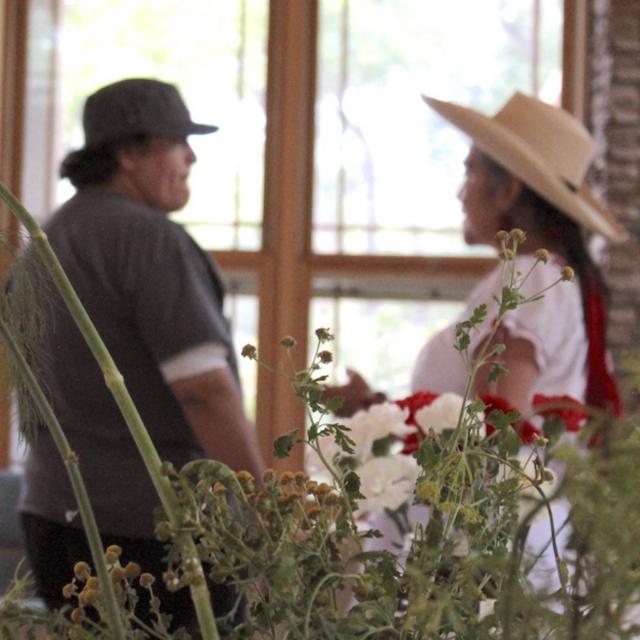
As one of four courses on Curanderismo, the art of Hispanic/Latino traditional medicine, this course focuses specifically on the use of plants in traditional healing. As an educational and cultural platform, this course will share the history, influences, and contributions of traditional medicine. Trained traditional healers will share their knowledge of the healing properties of plants commonly found in the Southwestern United States and Mexico through practical applications that can still be used today.

Aug 10th 2026
5-12 Weeks
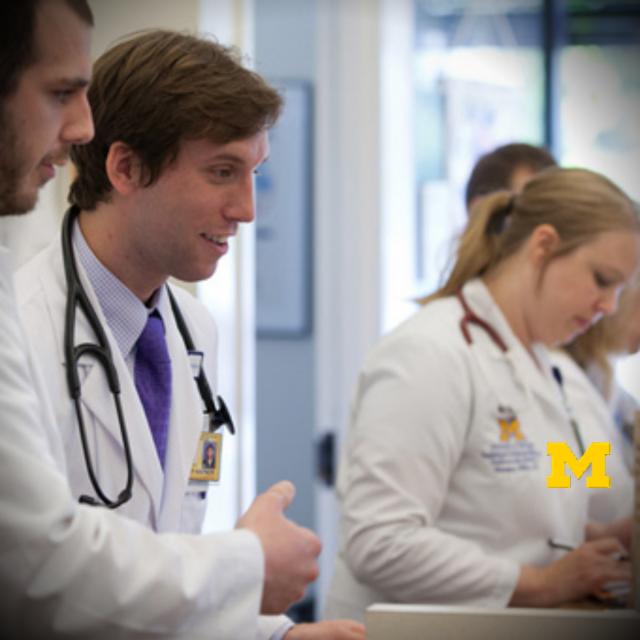
Foundational Skills for Communicating About Health (Coursera) Coursera
University of Michigan

Foundational Skills for Communicating About Health (Coursera)

Effective communication is a core skill that nearly every health professional will need and use during their careers. Yet, few health professionals receive even basic training in how to design communications to be clear and successful. As “foundational skills,” the content in this course can be applied to both oral and written communication, within and beyond health.

Aug 10th 2026
5-12 Weeks