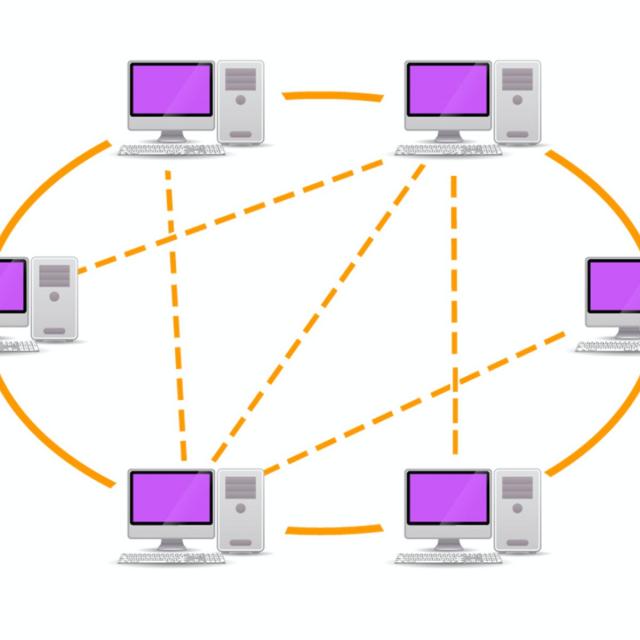
This course covers current and evolving data network technologies, protocols, network components, and the networks that use them, focusing on communication to and from the Internet and Local area networks. Course content includes Internet architecture, organization, and protocols including Ethernet, 802.11, routing, switching, OSI and TCP models, DNS, SNMP, DHCP, and more.
Class Deals by MOOC List - Click here and see Coursera's Active Discounts, Deals, and Promo Codes.
Students will be presented with Internet-specific networking tools for searching, testing, debugging, and configuring networks and network-connected host computers. At the graduate level, students will be given real world examples, with best practice and business use cases as related to the content on hand, as well as threats and mitigation steps.
Upon successful completion of this course, you will be able to:
- Introduce communication fundamentals as they relate to popular communication models such as the TCP and OSI models.
- Provide an understanding of the distributed nature of the internet.
- Discuss the requirements for communication between local area networks and internet.
- Identify and define protocols needed for LAN and WAN communication.
- Learn the basics of analyzing, inspecting, and monitoring network traffic.
- Become aware of threats to networks and networked devices.
- Utilize tools for doing basic network reconnaissance.
Syllabus
Module 1: Introduction to Network Concepts
Welcome to Introduction to Data Networks and the Internet! In this course, we will cover the topics of: Introduction to Network Concepts; OSI, TCP, and Network Addressing; Network Installation and Configuration; Network Management; Network Security Concepts; Network Analysis; Network Troubleshooting; Software Defined Networks and the Cloud. In the ever-evolving landscape of technology, computer networks have become the backbone of modern communication and information exchange. Understanding the fundamentals of networking is essential for anyone seeking to navigate the digital world effectively. In this introduction, we will explore their interplay in creating robust, efficient, and reliable networks that underpin our interconnected world.
Module 2: OSI, TCP, and Network Addressing
In the vast realm of computer networking, understanding the fundamental principles and models is paramount for anyone delving into the world of data transmission and communication. In this module, we will embark on a journey to unravel the intricacies of networking through the lens of two crucial models: the OSI (Open Systems Interconnection) model and the TCP (Transmission Control Protocol) model. These models serve as the backbone for comprehending the architecture and functioning of modern computer networks. Additionally, this module is designed to equip you with a foundational understanding of networking models, switching, and routing. These concepts are indispensable for anyone aspiring to navigate the intricate world of computer networks and contribute to the seamless flow of data in our interconnected digital age.
Module 3: Network Installation and Configuration
The establishment and maintenance of robust and efficient networks are fundamental to the success of organizations and businesses. To embark on this journey, it is essential to first understand the foundational aspects of network installation and configuration. This introduction serves as a gateway to explore the objectives outlined in module 3, which encompass the essential elements of network setup and management. Whether you are a seasoned IT professional or a newcomer to the world of networking, this module will serve as a valuable resource to enhance your skills and knowledge in this dynamic field.
Module 4: Network Management
In this module, we will embark on a journey to explore fundamental concepts and practices that are integral to effective network management. It will provide you with an overview of the key concepts and principles that form the foundation of network management, setting the stage for your journey into this dynamic field.
Module 5: Network Security Concepts
Throughout this module, we will equip you with the knowledge and insights necessary to build a solid foundation in network security. By the end, you will be better prepared to navigate the complex world of networked systems security and protect the digital assets entrusted to you.
Module 6: Network Analysis
The importance of effectively monitoring network traffic cannot be overstated. It serves as the foundation for robust cybersecurity practices, network performance optimization, and troubleshooting. By the end of this module, you will have gained valuable insights into the 'what' and 'why' of network traffic monitoring, as well as a practical understanding of how to capture and log network traffic effectively, utilizing a diverse range of tools and formats. These insights will be instrumental in ensuring the security and efficiency of your network infrastructure.
Module 7: Network Troubleshooting
In today's interconnected world, computer networks serve as the backbone of modern communication and information exchange. Whether in the context of a home network or a vast corporate infrastructure, maintaining the functionality and reliability of these networks is of paramount importance. However, as with any complex system, network issues can arise, disrupting connectivity and productivity. To effectively address these challenges, network professionals must possess a fundamental understanding of troubleshooting methodologies, diagnostic tools, and common causes of network-related issues. This module serves as a gateway to explore these essential aspects of network troubleshooting and problem-solving.
Module 8: Software Defined Networks and the Cloud
The realm of networking has witnessed a transformative revolution. As organizations seek more agile, flexible, and scalable networking solutions to meet their ever-growing demands, concepts such as Software-Defined Networking (SDN), the integration of networking in cloud-based solutions, and the emergence of virtual networking devices have come to the forefront. In this module, we will gain a deeper understanding of the dynamic and ever-evolving landscape of networking, offering insights into how these concepts are shaping the future of connectivity and information exchange in our increasingly interconnected world. So, let's explore where the virtual meets the physical, and traditional networking gives way to the innovation and flexibility of the digital age.
Course Summative Assessment