Indigenous Canada (Coursera)

Offered by University of Alberta,
Indigenous Canada (Coursera)

Indigenous Canada is a 12-lesson Massive Open Online Course (MOOC) that explores Indigenous histories and contemporary issues in Canada. From an Indigenous perspective, this course explores key issues facing Indigenous peoples today from a historical and critical perspective highlighting national and local Indigenous-settler relations.

Class Deals by MOOC List - Click here and see Coursera's Active Discounts, Deals, and Promo Codes.

Topics for the 12 lessons include the fur trade and other exchange relationships, land claims and environmental impacts, legal systems and rights, political conflicts and alliances, Indigenous political activism, and contemporary Indigenous life, art and its expressions.

Syllabus

WEEK 1
Worldview
In this introductory module, students learn the significance of stories and storytelling in Indigenous societies. We explore history that comes from Indigenous worldviews, this includes worldviews from the Inuit, Nehiyawak, Kanien:keha’ka and Tlingit peoples.

WEEK 2
Fur Trade
This module discusses pre-contact trading systems between Indigenous peoples of North America with a focus on the geographical region of Canada. We examine the chronological events of contact with Europeans and the events leading up to, and during the fur trade. This module also explores the long lasting social, political and economic ramifications of the fur trade on Indigenous peoples.

WEEK 3
Trick or Treaty
Examines Indigenous and settler perspectives of treaty making. Discusses the variation of treaties in Canada and the unique circumstances surrounding these events. Outlines the temporal and geographical history of the numbered treaties (beginning on the east) and ends with a discussion of the historical events and policies leading up to Métis scrip.

WEEK 4
New Rules, New Game
This lesson begins with a discussion about what is distinctive in Indigenous legal traditions. Explores impacts of policies put in place as British North America attempted to solidify itself geographically and socially. Examines the ways in which the Indian Act contributed to assimilation.

WEEK 5
“Killing the Indian in the Child”
Outlines characteristics of teaching and learning in Indigenous communities, and discusses how relationships were critical in teaching and learning. Traces the development and implementation of the Residential school system in the period after Confederation. Discusses intergenerational impact of Residential school system and the creation of the Truth and Reconciliation Commission.

WEEK 6
A Modern Indian?
This lesson examines the burgeoning resistance of Indigenous leaders and the formation of Indigenous-led organizations as the Canadian government employed strategies to encourage assimilation of Aboriginal peoples and communities into mainstream society, specifically relating to urbanization.

WEEK 7
Red Power
In this lesson students will learn about key characteristics of a few different Indigenous political structures and the impacts of colonialism on these structures (e.g. Indian Act, Red Power/AIM, White Paper, Red Paper -Citizens Plus) Concepts explored include self-government, self-determination, and Indigenous resurgence.

WEEK 8
Sovereign Lands
Utilizing contemporary and traditional examples, this lesson connects Indigenous worldviews and traditional ecological knowledge. As well, this lesson traces the historical impacts of settlement. Discusses key concepts of case law associated with Aboriginal title, rights to land and resources. List the on-going threats to Indigenous lands and how these threats and challenges are being addressed.

WEEK 9
Indigenous Women
Exploring Indigenous concepts of gender, and the traditional roles and responsibilities, this lesson then moves into an examination of how colonization can be characterized as a gendered project. Identifies some concrete examples of the impact of colonialism on Indigenous women.

WEEK 10
Indigenous in the City
Looking critically at the statement: “Cities are the place where Aboriginal culture goes to die”, this lesson explores sites of urban Aboriginal agency/active participation, urban Aboriginal governance practices, and urban reserves.

WEEK 11
Current Social Movements
What is an Indigenous concept of community? How do Indigenous people form communities traditionally and today? This module will explain how social and environmental activism can mobilize and create communities. This module identifies key moments such as the Oka Crisis, Idle No More and Missing and Murdered Indigenous Women and Girls are grassroots resistance movements.

WEEK 12
‘Living’ Traditions – Expressions in Pop Culture and Art
Finally, we will explore how geographical location, trading networks and partnerships have influenced Indigenous art in the past. As well, we will examine contemporary iterations of Indigenous art and explore some of the artistic responses of Indigenous artists, musicians, and writers to the impacts of colonialism.

Go to Class
MOOC List is learner-supported. When you buy through links on our site, we may earn an affiliate commission.

Related Courses

Global Diplomacy – Diplomacy in the Modern World (Coursera) Coursera
University of London,SOAS University of London

Global Diplomacy – Diplomacy in the Modern World (Coursera)

The Global Diplomacy course is a unique offering to the MOOC environment. Bringing together cutting edge research in the broad fields of Diplomatic and International Studies, award winning distance learning delivery and the instructors previous experience of delivering a successful MOOC. Please see the volume Global Diplomacy: Theories, Types and Models authored with Dr Alison Holmes, (Westview, 2016), and the Understanding Research Methods MOOC from Coursera.

Oct 5th 2026
5-12 Weeks
Wonders of Ancient Egypt (Coursera) Coursera
University of Pennsylvania

Wonders of Ancient Egypt (Coursera)

Colossal pyramids, imposing temples, golden treasures, enigmatic hieroglyphs, powerful pharaohs, strange gods, and mysterious mummies are features of Ancient Egyptian culture that have fascinated people over the millennia. The Bible refers to its gods, rulers, and pyramids. Neighboring cultures in the ancient Near East and Mediterranean wrote about its god-like kings and its seemingly endless supply of gold. The Greeks and Romans describe aspects of Egypt's culture and history.

Sep 28th 2026
5-12 Weeks
The Holocaust - An Introduction (II): The Final Solution (Coursera) Coursera
Tel Aviv University,Yad Vashem

The Holocaust - An Introduction (II): The Final Solution (Coursera)

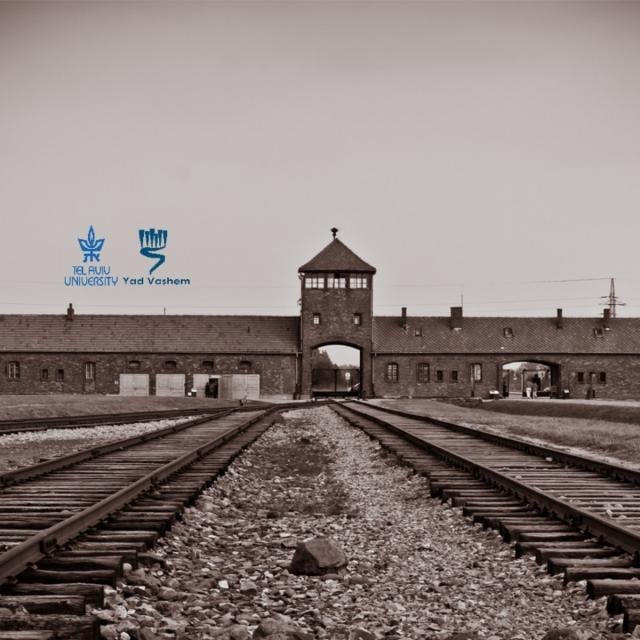
The Holocaust was an inconceivable historical event, which forever robbed Western culture of its innocence. As civilized human beings, we fail to understand how events of such horror could have taken place, and how an idea so inhumanly warped could have spread like wildfire through an entire continent, instigating the systematic annihilation of millions of Jews.

Oct 5th 2026
3 Weeks
Art & Activity: Interactive Strategies for Engaging with Art (Coursera) Coursera
The Museum of Modern Art

Art & Activity: Interactive Strategies for Engaging with Art (Coursera)

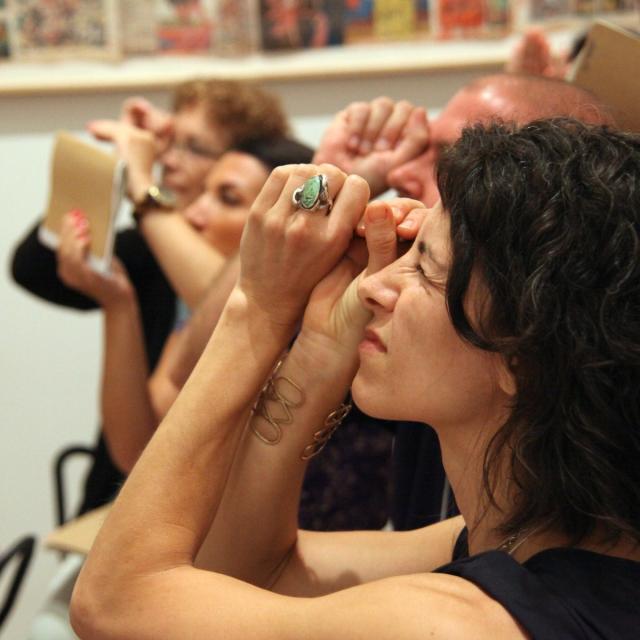
Art can be a powerful catalyst for building skills and understanding a range of subjects. Intended for primary and secondary teachers of all disciplines, Art & Activity builds upon the inquiry-based approaches of Art and Inquiry: Museum Teaching Strategies for Your Classroom, while delving into activity-based strategies that will make your students empowered participants.

Sep 28th 2026
4 Weeks
Applied Public History: Places, People, Stories (Coursera) Coursera
University of London

Applied Public History: Places, People, Stories (Coursera)

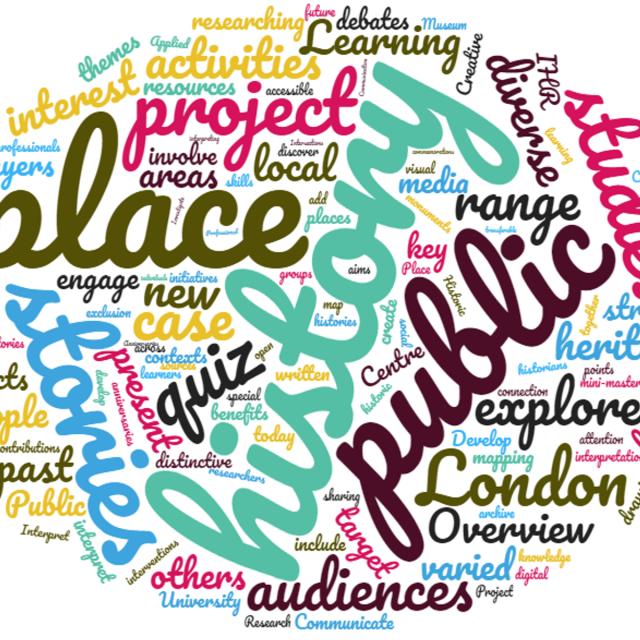
This course introduces learners to applied public history: understanding and interpreting the past today, and engaging diverse communities in the practice of making and sharing histories. The course draws on project case studies, expert insights and diverse perspectives to model exciting approaches to researching and sharing the history of places and people. Learners will develop a toolkit to apply in their own practice, by participating in discussion, quizzes, creative activities and mini masterclasses. What kinds of stories can we discover through research into the history of places and people?

Oct 5th 2026
5-12 Weeks
Arch of Titus: Rome and the Menorah (Coursera) Coursera
Yeshiva University

Arch of Titus: Rome and the Menorah (Coursera)

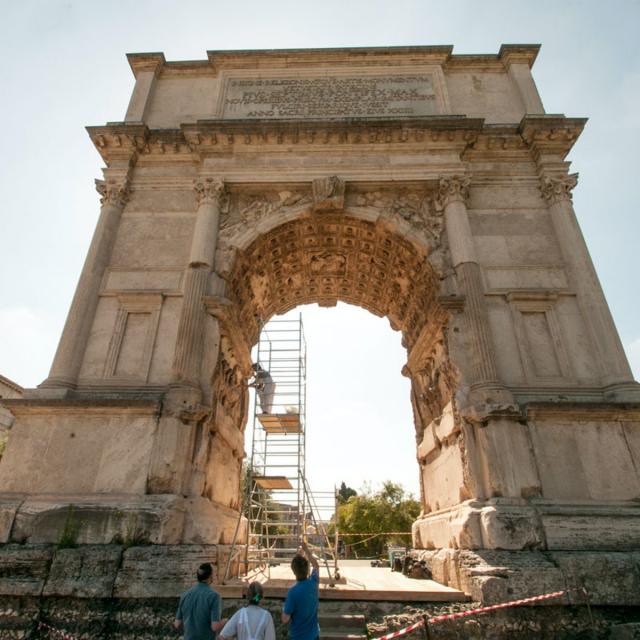
The Arch of Titus: Rome and the Menorah explores one of the most significant Roman monuments to survive from antiquity, from the perspectives of Roman, Jewish and later Christian history and art. The Arch of Titus commemorates the destruction of Jerusalem by the emperor Titus in 70 CE, an event of pivotal importance for the history of the Roman Empire, of Judaism, of Christianity and of modern nationalism. Together with your guide, Professor Steven Fine, you will examine ancient texts and artifacts, gaining skills as a historian as you explore the continuing significance of the Arch of Titus from antiquity to the very present.

Sep 28th 2026
5-12 Weeks
Sharpened Visions: A Poetry Workshop (Coursera) Coursera
California Institute of the Arts

Sharpened Visions: A Poetry Workshop (Coursera)

Why just write poems when you can write better ones? This course is built on the notion that the most exciting writing begins after the first draft. It is specifically for folks who believe that writing poems just to express oneself is like using the Internet just for email. After all, poetry can change the way you and your readers think of the world and its inhabitants; it can break new ground for language; turn a blank sheet of paper into a teeming concert of voices and music.

Sep 28th 2026
5-12 Weeks
Organising an Empire: The Assyrian Way (Coursera) Coursera
Ludwig-Maximilians-Universität München

Organising an Empire: The Assyrian Way (Coursera)

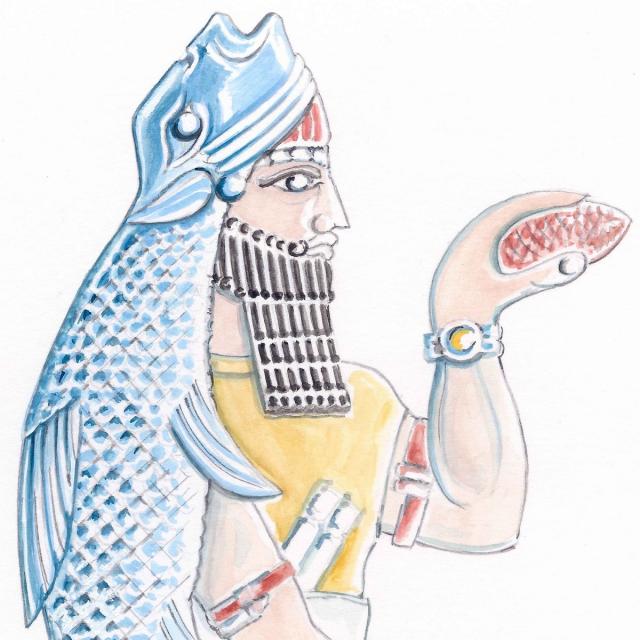
Discover the mighty kingdom of Assyria, which came to be the world’s first great empire three thousand years ago. From the 9th to the 7th centuries BC, during the imperial phase of Assyria’s long history, modern day northern Iraq was the central region of a state reaching from the Mediterranean Sea to the Persian Gulf, and incorporating what is now Iraq, Syria, and Lebanon, as well as half of Israel, and wide parts of south-eastern Turkey, and Western Iran.

Oct 5th 2026
5-12 Weeks
The Emergence of the Modern Middle East - Part II (Coursera) Coursera
Tel Aviv University

The Emergence of the Modern Middle East - Part II (Coursera)

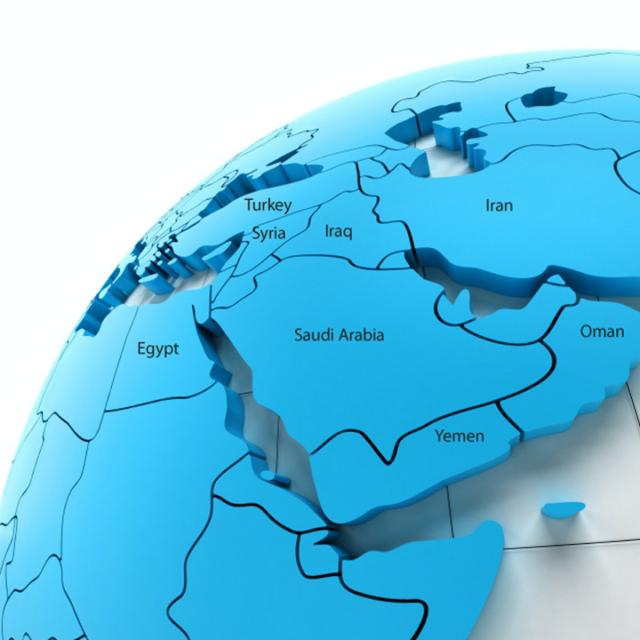
This course will discuss the developments in the Middle East from the early 20th century to the present. It will discuss the rise and retreat of Arab nationalism, the problems of internal cohesion of the Arab states, issues of religion and state, and the evolution of Islamist politics. It will also focus on the evolution of the Arab-Israeli conflict and its impact on the region and will conclude with an in depth analysis of the “Arab Spring” by placing these contemporary revolutionary events in their historical context.

Oct 5th 2026
5-12 Weeks
The Modern and the Postmodern (Part 2) (Coursera) Coursera
Wesleyan University

The Modern and the Postmodern (Part 2) (Coursera)

This course examines how the idea of "the modern" develops at the end of the 18th century in European philosophy and literature, and how being modern (or progressive, or hip) became one of the crucial criteria for understanding and evaluating cultural change. Are we still in modernity, or have we moved beyond the modern to the postmodern?

Oct 5th 2026
5-12 Weeks
Age of Cathedrals (Coursera) Coursera
Yale University

Age of Cathedrals (Coursera)

An introduction to some of the most astonishing architectural monuments the world has ever known—Gothic cathedrals. We shall study the art, literature, intellectual life, economics, and new social arrangements that arose in the shadow of the cathedrals and that were such an important part of the revival of cities in the twelfth and thirteenth centuries. The goal of the course is a better appreciation of the High Middle Ages, a world that is still recognizably our own.

Sep 28th 2026
5-12 Weeks