EdX

Gestión del agua para las ciudades del futuro (edX)

Gestión del agua para las ciudades del futuro (edX)

Este MOOC brinda herramientas para mejorar la gestión de los recursos hídricos en las ciudades bajo una visión integral y sostenibilidad. ¿Sabes cuáles son los desafíos a los que se enfrentan las ciudades relativos al agua? ¿Sabes cuáles son las acciones que puedes realizar para el mejor gestión del agua en tu ciudad?

Class Deals by MOOC List - Click here and see EdX's Active Discounts, Deals, and Promo Codes.

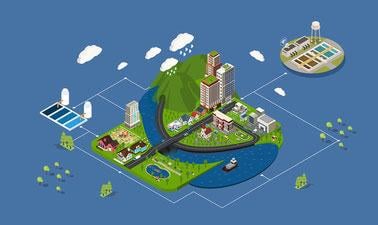
Este curso en línea gratis te presenta los principales desafíos y conceptos vinculados a la gestión del agua en el medio urbano relacionados con la gestión sostenible e integrada de los servicios de agua potable, saneamiento y drenaje y su vínculo con el entorno natural.
Para ello se revisan los aspectos institucionales, financieros y técnicos de la gestión del agua urbana y se examinan los enfoques de la economía circular, de visión de cuenca, de resiliencia y adaptación al cambio climático como mecanismos para garantizar el desarrollo sostenible de las ciudades.
Disponer de agua en cantidad y calidad es un elemento necesario para el bienestar de todos y para la prosperidad económica de cualquier territorio.
El curso está dirigido a funcionarios públicos, privado, técnicos, investigadores, docentes, estudiantes y todos vinculados con los procesos de gestión de aguas urbanas.
El futuro del agua y de las ciudades está en tus manos.

What you'll learn

  1. Identificar las características de las ciudades y la gestión de las aguas urbanas junto a los principales desafíos desde lo institucional, la gestión, la sostenibilidad financiera, aspectos de género y comunidades vulnerables.
  2. Identificar los enfoques integrales de gestión que vinculan el sistema de agua potable con el drenaje y saneamiento; y la vinculación con otras áreas urbanas.
  3. Reconocer enfoques de la economía circular, la resiliencia y visión de cuenca.
  4. Reconocer las fuentes principales y alternativas de suministro de agua.
  5. Reconocer los sistemas de saneamiento y drenaje urbano con énfasis en en sistemas resilientes y sostenibles.
  6. Describir la relación entre drenaje, saneamiento y sostenibilidad para la prevención de inundaciones incorporando herramientas para la planificación hídrica (HydroBID).
  7. Valorar la importancia del entorno natural y los beneficios su integración en las ciudades.
  8. Reconocer mecanismos de planificación para una gestión integrada de aguas urbanas incorporando mecanismos innovadores de financiamiento y tecnologías inteligentes.
  9. Distinguir los roles de los diferentes actores y su impacto en la en la gestión de aguas urbanas (planificadores urbanos, empresas de agua y saneamiento, entes reguladores y rectores, sociedad) en general)

Al finalizar el curso los participantes serán capaces de:
A. Identificar los principales desafíos, principios y conceptos vinculados a la gestión integrada de los recursos hídricos en el medio urbano, considerando los enfoques de la economía circular, del desarrollo de bajo impacto, de resiliencia, adaptación al cambio climático y de baja huella hídrica, entre otros.
B. Reconocer las dimensiones (técnica, política, económica, social, cultural y ambiental) y los factores clave que contribuyen al logro de una buena gobernanza de los recursos hídricos en el medio urbano.
C. Reconocer los principios y procesos para el diseño y adecuada gestión del abastecimiento resiliente de agua potable urbana.
D. Describir los principales elementos/metodologías para la gestión integrada de los sistemas de saneamiento y drenaje urbano, incluyendo sistemas de drenaje sostenibles.
E. Identificar los factores del desarrollo urbano sostenible en torno al agua, incluyendo conceptos de economía circular.
F. Describir herramientas para identificar las necesidades de los diferentes grupos de beneficiarios, teniendo en cuenta los temas de género y diversidad, potenciando los instrumentos y enfoques participativos para la toma de decisiones en los proyectos de gestión del agua urbana.

Syllabus

  • Comienza aquí
  • Módulo 1: La gestión del agua en las ciudades
  • Módulo 2: Gestión integral del agua urbana
  • Módulo 3: Gestion del agua para las ciudades del futuro
  • Finaliza aquí
Go to Class
MOOC List is learner-supported. When you buy through links on our site, we may earn an affiliate commission.

Related Courses

Sustainability in Architecture: An Interdisciplinary Introduction (edX) EdX
Universitat Politècnica de València,UPValenciaX

Sustainability in Architecture: An Interdisciplinary Introduction (edX)

This course introduces the basic elements and trends that define sustainability practices in Architecture today. It follows an interdisciplinary approach that includes performance assessment and urban policies. This course offers an interdisciplinary approach to sustainability in Architecture. Learners will be introduced to the basic elements of sustainability assessments (first model layer), as well as trends informing the space today.

Self Paced
Self-Paced
Sustainable Packaging in a Circular Economy (edX) EdX
Delft University of Technology,DelftX

Sustainable Packaging in a Circular Economy (edX)

Learn how to apply the principles of the circular economy to sustainable packaging systems. It has become almost impossible to imagine what our lives would be like without the many benefits of packaging - just think about the different packaging and single-use items you use on a daily basis. Yet as our global population grows in size and affluence, both our collective demand for packaging materials and the waste we generate as a result will increasedramatically.

Self Paced
Self-Paced
Sustainable Global Food Systems (edX) EdX
University of Edinburgh,EdinburghX

Sustainable Global Food Systems (edX)

How do we feed 11 billion people? Discover the importance of sustainable food systems on a global scale. We are currently facing one of the biggest challenges worldwide: how to feed a growing population without exhausting global resources. This course examines food security from a food systems perspective and illustrates the major global challenges present, from the environmental impact of food production to the public health impacts of current and future diets.

Self Paced
Self-Paced
Environmental Protection and Sustainability (edX) EdX
IsraelX

Environmental Protection and Sustainability (edX)

Uncover better solutions to help manage a wide range of environmental problems and challenges facing our world today. Do you want to understand more about the environmental problems we currently face? Do you want to learn ways we can reduce the negative effects of these problems, and keep our environment more sustainable? If so, this course is for you.

Self Paced
Self-Paced
Sustainability & Major Sport Events: Principles (edX) EdX
Hamad Bin Khalifa University - HBKU,HBKUx

Sustainability & Major Sport Events: Principles (edX)

Learn the five pillars of sustainability and how to apply these when planning and hosting a major sport event. While any major sport event can pose great opportunities for the host city or region, there are also challenges associated with hosting these events. The environmental impact on the country's natural resources, the workforce, and infrastructure are just some of the considerations. It is essential to ensure that your major sport event is sustainable for your city throughout the event, but also after the event has been completed.

Self Paced
Self-Paced
Sustainable Food Systems: A Mediterranean Perspective (edX) EdX
SDGAcademyX,SDG Academy

Sustainable Food Systems: A Mediterranean Perspective (edX)

How do we produce more, better quality, and safer food while simultaneously achieving social and environmental goals? The Mediterranean region is one of the most biodiverse in the world, home to a complex and intricate patchwork of cultures, climates, and cuisines. Food systems in the region -- represented worldwide by the "Mediterranean diet" -- are equally complex, demanding analysis across the political, social, cultural, economic and nutritional spectrums from landscape to table.

Self Paced
Self-Paced
Circular Economy for a Sustainable Built Environment (edX) EdX
Delft University of Technology,DelftX

Circular Economy for a Sustainable Built Environment (edX)

Learn how the principles of the Circular Economy can be applied to the built environment ranging from products and buildings to metropolitan and regional development strategies. In this course you will become familiar with circularity as a systemic, multi-disciplinary approach, concerned with the different scale, from material to product, building, city, and region.

Self Paced
Self-Paced
Sustainable Cities (edX) EdX
SDGAcademyX,SDG Academy

Sustainable Cities (edX)

Learn how government, the private sector, and other actors can support sustainable urban development. Did you know that experts estimate an additional three billion people will live in cities by 2050? What will the impact be on the current world population – half of which currently lives in cities and contributes to about three-fourths of global economic output?

Self Paced
Self-Paced
Sustainability & Major Sport Events: Implementation (edX) EdX
Hamad Bin Khalifa University - HBKU,HBKUx

Sustainability & Major Sport Events: Implementation (edX)

Learn the best practices and tools you need to plan and implement a sustainable major sport event. When planning to host a major sport event you must take certain steps to ensure that the event is not only sustainable for the host city or region, but also leaves a lasting legacylong after the event has concluded. Thefirst course in theSustainability & Major Sport Events Professional Certificate program teaches the five pillars of sustainability and looks at how these pillars should be implemented during the planning and hosting phase.

Self Paced
Self-Paced
Sustainable Supply Chains and Circularity (edX) EdX
International Supply Chain Education Alliance,ISCEA

Sustainable Supply Chains and Circularity (edX)

Master both Sustainability and Supply Chain terms used throughout the Industry. Learn the foundational topics and innovations required for strategic and sustainable planning - a course that can lead to the future acquisition of the Globally Recognized, ISCEA CSSCP (Certified Sustainable Supply Chain) Professional Designation.

Self Paced
Self-Paced