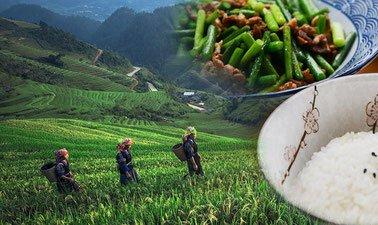
How do we produce more, better quality, and safer food while simultaneously achieving social and environmental goals? The Mediterranean region is one of the most biodiverse in the world, home to a complex and intricate patchwork of cultures, climates, and cuisines. Food systems in the region -- represented worldwide by the "Mediterranean diet" -- are equally complex, demanding analysis across the political, social, cultural, economic and nutritional spectrums from landscape to table.
Class Deals by MOOC List - Click here and see EdX's Active Discounts, Deals, and Promo Codes.
The ability of Mediterranean agriculture to sustain its peoples -- and the planet -- is now threatened by several issues:
- Unsustainable agriculture production and limited agricultural diversification;
- Overexploitation of natural resources, including loss of soil fertility and agricultural biodiversity;
- Water scarcity and poor water management;
- Limited agricultural diversification;
- Increasingly poor nutritional value of food products and diets;
- Food loss and waste; and
- Decline in food culture and food sovereignty, highlighting the struggle between modernity and tradition.
This course discusses the challenges and opportunities of the agricultural sector in the Mediterranean basin. It summarizes global-to-local challenges related to achievement of the Sustainable Development Goals (SDG); outlines the history and culture of agriculture and its main characteristics with a focus on the "Mediterranean diet"; explains agricultural data with a focus on rural development models and value creation; explores EU policy frameworks and international agreements related to food and agriculture in the Mediterranean; and highlights emerging opportunities linked to innovation and sustainability in the sector.
This course is for:
- Students at the undergraduate or graduate level interested in the main challenges facing the Mediterranean region
- Current and future practitioners in the agriculture, food, and beverage sectors who wish to gain useful insights about current and future trends and business opportunities
- Policymakers and regional stakeholders who want to deepen their knowledge of agricultural policy, investment, and decisionmaking in the region and globally
Looking for a live course? Check back for more information about the next run of the SDG Academy's "Feeding a Hungry Planet: Agriculture, Nutrition and Sustainability" course, which covers food systems from a global perspective.
What you'll learn
- About food value chains and the interlinkages from production to consumption
- About the new sustainable food professional and entrepreneurial opportunities
- Explore food systems in countries across the Mediterranean
Syllabus
Prologue
Module 1: The Mediterranean challenges around food and agriculture
- Introduction
- Mediterranean challenges and innovation in food systems
- Theoretical framework, objectives and course outline
- Contextualizing the SDGs for the Mediterranean region: what do the SDGs mean for the countries of the Mediterranean?
Module 2: History of agriculture in Mediterranean basin and Mediterranean Diet
- The origin of agriculture
- Civilisations
- Middles ages and early modern
- Modern agriculture
- Agriculture and habits of local communities
Module 3: Poverty alleviation, economic and social rural development
- Economics of food systems
- Rural development
- Markets and supply chains
- International trade
- Development enhancing investments
- Food governance
Module 4: Fisheries and Aquaculture
- Our Ocean: A Finite Resource
- Dance of the plankton
- Marine Food Chains
- Fisheries Economics and Management
- Aquaculture and Mariculture
- Sustainable Management of Fisheries
- Summing it up
Module 5: How to achieve the SDGs in the Mediterranean – The way forward I. Water resources and Fisheries Management
- Challenges
- Theoretical chapter
- Successful case studies in Mediterranean
Module 6: How to achieve the SDGs in the Mediterranean – The way forward II. Sustainable farming systems under environmental and climatic constraints
- Challenges
- Challenges at Mediterranean level
- Theoretical chapter
- Successful case studies in Mediterranean
Module 7: How to achieve the SDGs in the Mediterranean – The way forward III. Food value chain for regional and local development
- Challenges of the Mediterranean food value chains
- Theoretical chapter
- Successful case studies in Mediterranean
Module 8: How to achieve the SDGs in the Mediterranean – The way forward IV. Reducing food waste and enhancing by-product innovations
- Challenges
- Theoretical chapter
- Case studies in Egypt
Module 9: How to achieve the SDGs in the Mediterranean – The way forward V. Nutrition and Education
- Challenges
- Theoretical chapter
- Successful Case studies in North Africa and Middle East
Module 10: New professional profiles in a Mediterranean context
- Professional needs to face sustainability issues
- Youth & food: new entrepreneurs in the Med food systems
- Professional profiles in the agrifood sector
- Professional profiles in the “sustainable tourism” sector: food as destination branding driver
- The role of Higher Education Institutions: international cooperation, exchange and mobility
- A job for the future: the “innovation broker”