Food for Thought: The Relationship Between Food, Gut and Brain (FutureLearn)

Food for Thought: The Relationship Between Food, Gut and Brain (FutureLearn)

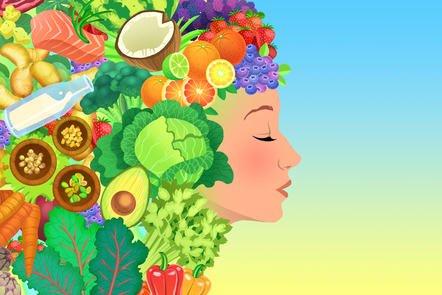
The gut and brain are very closely linked. Explore how neurology, the microbiome and more interact to affect health. Find out how your diet affects your brain, and your brain affects your diet. Over the last few years, the importance of the link between gut and brain has become clear. On this course you’ll explore this complex relationship.

Class Deals by MOOC List - Click here and see FutureLearn's Active Discounts, Deals, and Promo Codes.

You’ll learn how the brain works, and is affected by diet and nutritional deficiencies. You’ll also discover less known, cutting-edge subjects such as the gut-brain axis, the microbiome, and the relationship between food and reproductive health.
Ultimately, you’ll be able to explain this two-sided relationship: the role of diet on brain function, and its opposite - how the brain can determine our dietary choices.

What topics will you cover?
The course will focus on the relationship between food, brain and mind:

  • How does the brain work?
  • How do emotions and thoughts affect our food choices?
  • How do diets and nutritional deficiencies affect our brain?
  • Reward systems and their relationship with food
  • The link between the microbiome and brain

What will you achieve?
By the end of the course, you'll be able to...
-Explain the role of our diet on brain functioning
-Reflect on the role of psychological and neurobiological factors in our food choices
-Reflect on the possible causes (biological, social, psychological) of unhealthy and pathological eating behaviours
-Describe the connection between the brain and our digestive system (gut)
-Discuss the topics of the course and their relationship with daily life

Go to Class
MOOC List is learner-supported. When you buy through links on our site, we may earn an affiliate commission.

Related Courses

Biochemistry: the Molecules of Life (FutureLearn) FutureLearn
University of East Anglia

Biochemistry: the Molecules of Life (FutureLearn)

Explore the impact of biochemistry on bioenergy and health, discovering why graduates are in demand; with the Biochemical Society. Biochemistry brings together all of the sciences to study the chemical and physical processes that occur in living organisms. It truly is the science of life. As a scientific discipline in its own right, biochemistry has a major impact on all areas of the life sciences and biochemists are in high demand among employers.

Self Paced
3 Weeks
Understanding Insulin (FutureLearn) FutureLearn
University of Southampton

Understanding Insulin (FutureLearn)

Learn more about all things insulin: from how it works, to insulin types, to side effects and guidance on how to prescribe safely. The current spend on diabetes care by the NHS is estimated to be £1.6 million pounds per hour. 80% of this is spent on managing diabetes complications, the risk of which can be significantly reduced through effective blood glucose control using insulin.

Self Paced
4 Weeks
Managing Change in a Healthcare Environment (FutureLearn) FutureLearn
University of East Anglia

Managing Change in a Healthcare Environment (FutureLearn)

Understand why change happens in healthcare environments and learn how to improve your response. In rapidly changing world, with new healthcare roles emerging and the complexity of care increasing, being able to respond to change is vital. On this course for healthcare professionals, you will explore the issue of change in healthcare environments, and learn how to improve your response to change.

Self Paced
3 Weeks
Understanding Anxiety, Depression and CBT (FutureLearn) FutureLearn
University of Reading

Understanding Anxiety, Depression and CBT (FutureLearn)

Improve your understanding of depression and anxiety and find out more about an effective and evidence-based treatment: CBT. Anxiety and depression are terms discussed widely, in different media and amongst family and friends. But what do those labels actually mean? On this five week course, from the University of Reading, you will explore what it means to have anxiety or depression and how they are identified.

Self Paced
5-12 Weeks
Causes of Human Disease: Exploring Cancer and Genetic Disease (FutureLearn) FutureLearn
University of Leeds

Causes of Human Disease: Exploring Cancer and Genetic Disease (FutureLearn)

Explore how the unravelling of genetic code has led to a deeper understanding of genetic diseases and cancer. It’s widely known that some diseases run in families. The discovery of the structure of DNA and the unravelling of the genetic code has led to a deeper understanding of such diseases. We now know more about the genetic basis of cancer and how cancer cells are formed and reproduce. On this course you’ll explore the structure of DNA, its processes and learn how genetic disease results from DNA alterations.

Self Paced
2 Weeks
Causes of Human Disease: Understanding Cardiovascular Disease (FutureLearn) FutureLearn
University of Leeds

Causes of Human Disease: Understanding Cardiovascular Disease (FutureLearn)

Explore normal cardiovascular function and risk factors associated with heart attack, stroke and other cardiovascular diseases. Cardiovascular diseases are the leading global cause of death. On this course, you’ll learn how the cardiovascular system functions and understand common cardiovascular diseases like heart attack and stroke, as well as the risk factors associated with them.

Self Paced
2 Weeks
The Many Faces of Dementia (FutureLearn) FutureLearn
University College London

The Many Faces of Dementia (FutureLearn)

Gain a unique insight into dementia through the stories, symptoms and science behind four less common diagnoses. Explore key issues in dementia care and research, through four less common forms. Dementia is one of the foremost priorities in global health and is estimated to affect over 44 million people worldwide.

Self Paced
4 Weeks
Nutrition and Disease Prevention (FutureLearn) FutureLearn
Taipei Medical University

Nutrition and Disease Prevention (FutureLearn)

Learn about the relationship between diet and disease and discover the role a nutrient-rich diet can play in disease prevention. Understand how good nutrition can prevent disease. Diet-related diseases and obesity levels are rising. On this course you will explore the relationship between diet and disease and the role diet plays in weight management. You will examine the latest research studies to consider how poor nutrition can lead to ill health, and whether what we eat can help to prevent the onset of common diseases, such as cancer.

Self Paced
4 Weeks
Quality Improvement in Healthcare: the Case for Change (FutureLearn) FutureLearn
University of Bath

Quality Improvement in Healthcare: the Case for Change (FutureLearn)

Explore new and better ways of organising health and social care services, to improve quality, with this free online course. Why is quality improvement in health and social care systems so difficult? Why is it so challenging to bring in new and better ways of organising health and social care services? Many reasons have been put forward: lack of money; lack of knowledge about either the actual quality of care delivered, or resistance to making changes to long-established ways of working; excessive and sometimes misunderstood regulations; and professional opinions and interests that are hard to influence when systems are working at or beyond capacity.

Self Paced
5-12 Weeks
Exercise Prescription for the Prevention and Treatment of Disease (FutureLearn) FutureLearn
Trinity College Dublin

Exercise Prescription for the Prevention and Treatment of Disease (FutureLearn)

Learn how physical exercise can help patients including those with cardiovascular disease, mental health problems and cancer. In the last few decades physical exercise has become well established as a tool to prevent and treat disease. Perceptions within the healthcare sector of exercise and its prescription as a treatment have changed dramatically in recent years.

Self Paced
2 Weeks
Small and Mighty: Introduction to Microbiology (FutureLearn) FutureLearn
University of Reading

Small and Mighty: Introduction to Microbiology (FutureLearn)

Understand the basics of microbiology and explore the diversity of microbial life in our world. Discover the fascinating world of microbes. Microbes may be invisible to the eye, but they dominate every environment on Earth – including you. Microbes are often associated with disease yet the majority of species help to keep us alive. How can you distinguish the good from the bad?

Self Paced
3 Weeks
Heart Health: A Beginner's Guide to Cardiovascular Disease (FutureLearn) FutureLearn
University of Reading

Heart Health: A Beginner's Guide to Cardiovascular Disease (FutureLearn)

Learn more about how your heart works, the causes of heart disease and how to keep your heart healthy with this free online course. Learn how to keep your heart healthy. Your heart beats around 100,000 times a day, pumping blood around your body to deliver oxygen and nutrients, while taking away waste products. When your heart is unhealthy, it can’t perform this vital task so effectively.

Self Paced
4 Weeks