Evolution and Natural Selection (Canvas.net)

Evolution and Natural Selection (Canvas.net)

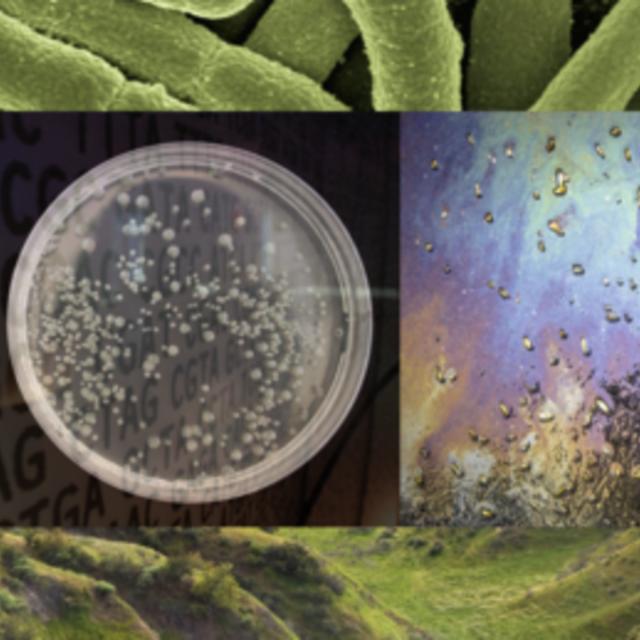
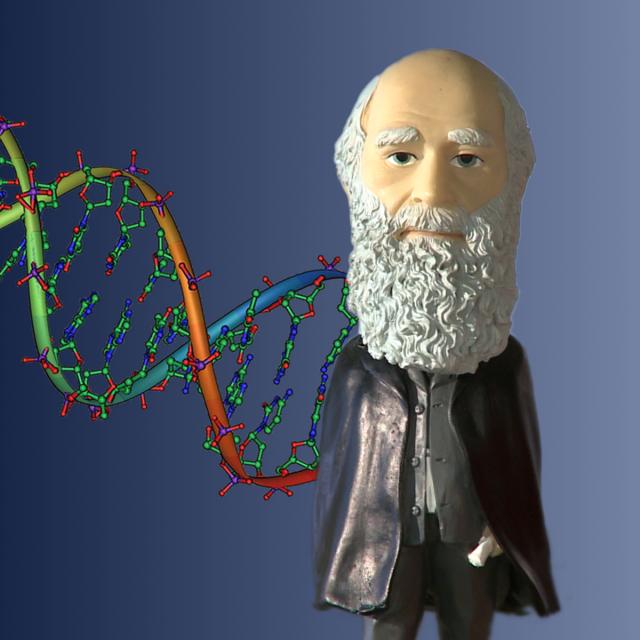
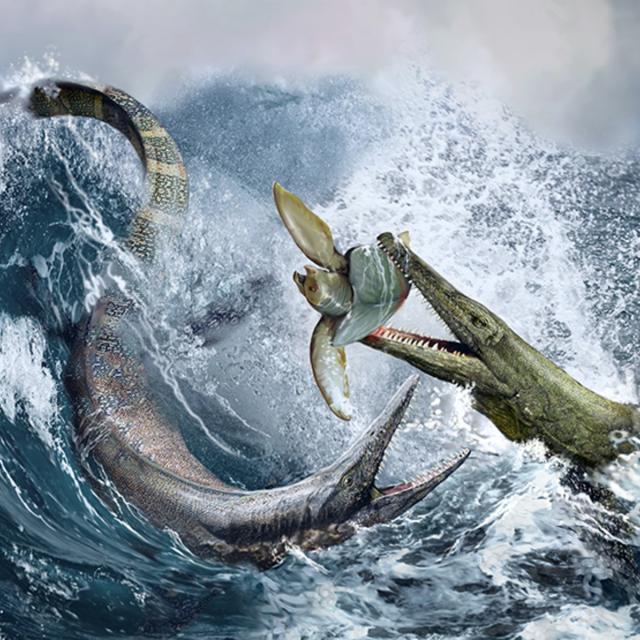
This course explores concepts in evolution and natural selection through the influences of genetics, interactions between populations, mutations, and the role of the environment.

The role of common ancestry and evolutionary relationships is explored through molecular evidence, fossil records, and anatomical similarities.

Go to Class
MOOC List is learner-supported. When you buy through links on our site, we may earn an affiliate commission.

Related Courses

Data Visualization for Genome Biology (Coursera) Coursera
University of Toronto

Data Visualization for Genome Biology (Coursera)

The past decade has seen a vast increase in the amount of data available to biologists, driven by the dramatic decrease in cost and concomitant rise in throughput of various next-generation sequencing technologies, such that a project unimaginable 10 years ago was recently proposed, the Earth BioGenomes Project, which aims to sequence the genomes of all eukaryotic species on the planet within the next 10 years. So while data are no longer limiting, accessing and interpreting those data has become a bottleneck. One important aspect of interpreting data is data visualization. This course introduces theoretical topics in data visualization through mini-lectures, and applied aspects in the form of hands-on labs.

Aug 24th 2026
5-12 Weeks
Journey Conversations: Weaving Knowledge and Action (Coursera) Coursera
Yale University

Journey Conversations: Weaving Knowledge and Action (Coursera)

Journey of the Universe weaves together the discoveries of the evolutionary sciences together with humanities such as history, philosophy, art, and religion. This course draws on the Journey of the Universe Conversations, a series of 20 interviews with scientists and environmentalists. The first 10 interviews are with scientists and historians who deepen our understanding of the evolutionary process of universe, Earth, and humans.

Aug 17th 2026
5-12 Weeks
Introduction to Forensic Science (Coursera) Coursera
Nanyang Technological University

Introduction to Forensic Science (Coursera)

We have all seen forensic scientists in TV shows, but how do they really work? What is the science behind their work? The course aims to explain the scientific principles and techniques behind the work of forensic scientists and will be illustrated with numerous case studies from Singapore and around the world.

Aug 24th 2026
5-12 Weeks
The Science of Gastronomy (Coursera) Coursera
The Hong Kong University of Science and Technology - HKUST

The Science of Gastronomy (Coursera)

This course introduces a number of basic scientific principles underpinning the methodology of cooking, food preparation and the enjoyment of food. All topics covered have a strong basis in biology, chemistry, and physics application. Among others, they include the consumption of cooked food, the physiological and evolutionary implication of the senses, geographic and cultural influences on food, and the rationale behind food preparation. We will also discuss issues such as coupling of senses to improve sense stimulation; altering flavor by chemical means; and modification of the coloration to improve the appearance of dishes. Following the video demonstrations of the scientific principles of cooking, you will learn to recognize the key ingredients and their combinations for preparing good healthy food.

Sep 1st 2026
5-12 Weeks
Mind of the Universe - Genetic Privacy: should we be concerned? (Coursera) Coursera
Leiden University

Mind of the Universe - Genetic Privacy: should we be concerned? (Coursera)

Should all our genetic information be made public in order to eradicate genetic diseases from this world? Who owns your genetic data once it becomes publicly accessible? What is your responsibility to family members when you know more about genetic diseases than they do? Who decides what kind of genetic information is relevant to a person? And what does genetic privacy mean to you?

Aug 24th 2026
5-12 Weeks
Evolution: A Course for Educators (Coursera) Coursera
American Museum of Natural History

Evolution: A Course for Educators (Coursera)

How are all of the species living on Earth today related? How does understanding evolutionary science contribute to our well-being? In this course, participants will learn about evolutionary relationships, population genetics, and natural and artificial selection. Participants will explore evolutionary science and learn how to integrate it into their classrooms.

Aug 24th 2026
4 Weeks