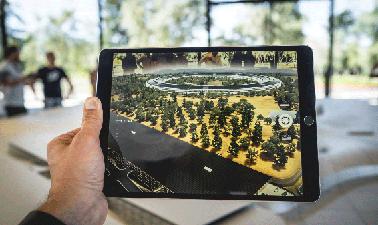
Aprenda acerca de la evolución de las tecnologías en la industria de la arquitectura, ingeniería y construcción. Conozca el ecosistema digital al que nos enfrentamos en la construcción 4.0 y su relación con la cadena de valor en proyectos de esta industria.
Class Deals by MOOC List - Click here and see EdX's Active Discounts, Deals, and Promo Codes.
Tradicionalmente la industria AECO (Arquitectura, Ingeniería, Construcción y Operación) se caracteriza por una baja innovación tecnológica. Contradiciendo esa trayectoria, en los últimos años se viene experimentado un cambio significativo del sector. Las innovaciones desarrolladas en el campo digital y en general de tecnología han sido implementadas de forma creciente en la última década en el sector. En particular aquellas que hacen parte de las categorías de digitalización como: inteligencia artificial, analítica de datos, optimización digital de la cadena de valor, impresión 3D, modularización, robótica, realidad virtual, y metodologías para el trabajo colaborativo tipo construcción virtual (BIM), simulación de procesos y de incremento del valor para los clientes como Lean.
La industria AECO ha iniciado un desarrollo tecnológico propio y promete mejorar su productividad, seguridad, confiabilidad, entre otros. Este fenómeno se origina en el uso de tecnologías, inversión en investigación y desarrollo, cambios en los costos de mano de obra y materiales, y el crecimiento de nuevos nichos de mercado.
Se cuenta actualmente con un grupo considerable de investigaciones académicas y experiencias profesionales que dan cuenta de la evolución de la transformación tecnológica de la industria AECO. Latinoamérica es una región que no se escapa a estos cambios y a la cual se le presentan retos importantes en términos de adopción de tecnologías y preparación para la construcción 4.0. En este MOOC, exploraremos estas trayectorias a partir de las investigaciones recientes y casos estudio de implementación.
Actualmente el panorama en el uso de la tecnología en la industria está pasando por uno de los momentos más cruciales de su historia. El nivel de inversión en tecnología experimenta un auge y el futuro es prometedor. Es indispensable analizar diferentes escenarios como apuesta hacia la tecnología en la industria y qué posibilidades se tienen para el progreso a nivel latinoamericano.
What you'll learn
El origen, evolución, estado actual y posibles escenarios futuros de las metodologías y tecnologías en la industria AECO.
Las características generales de las tecnologías aplicadas a la industria AECO.
Un panorama robusto sobre los futuros escenarios del sector AECO en el contexto latinoamericano.
Herramientas y criterios de selección de las posibilidades de implementación de las tecnologías aplicadas a AECO de acuerdo con las características del mercado en Latinoamérica y a la situación organizacional de las empresas características de esta región.
Prerequisites:
Dirigido a los profesionales del campo de la Ingeniería y la Arquitectura, o de otras profesiones con experiencia en gestión de organizaciones y proyectos que se encuentren directamente vinculados con la industria de la construcción, especialmente interesados en la adopción de nuevas tecnologías y metodologías en el contexto latinoamericano relacionadas con los campos de automatización, inteligencia artificial, entre otros.
Syllabus
Módulo 0: Bienvenida e introducción al curso
Unidad 1: Bienvenida al curso
Unidad 2: ¿Qué y cómo aprenderé?
Unidad 3: Foro de networking participantes
Módulo 1: Construcción 4.0 – Contexto de la industria y del uso de tecnologías y metodologías para su transformación
Unidad 1: Industria 4.0 – Contexto general hacia una construcción 4.0
Unidad 2: Industria AECO hoy – Reflexiones sobre la situación actual
Módulo 2: Evolución tecnológica – Contexto histórico de las tecnologías y metodologías en distintos ambientes de la industria AECO
Unidad 1: Evolución en el ambiente físico de la industria AECO
Unidad 2: Evolución en el ambiente digital de la industria AECO
Semana 4 y 5
Módulo 3: Sistemas ciber-físicos en construcción: La integración de tendencias y tecnologías
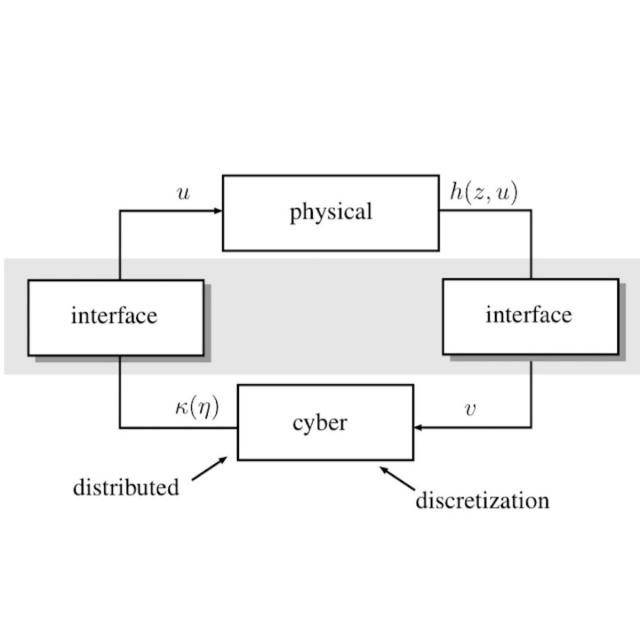
Unidad 1: Introducción a los sistemas ciber-físicos
Unidad 2: Construcción 4.0 y sistemas ciber-físicos
Módulo 4: Ecosistema digital en la industria AECO: Un panorama disruptivo
Unidad 1: Transformación digital en la industria de la construcción: Un ecosistema digital
Unidad 2: Sistemas ciber-físicos y ecosistema digital: La fusión de dos paradigmas
Actividad final de cierre: Disrupciones emergentes y escenarios futuros: La nueva era de la construcción
Unidad 1: Disrupciones emergentes y escenarios futuros
Who can take this course?
Unfortunately, learners residing in one or more of the following countries or regions will not be able to register for this course: Iran, Cuba and the Crimea region of Ukraine. While edX has sought licenses from the U.S. Office of Foreign Assets Control (OFAC) to offer our courses to learners in these countries and regions, the licenses we have received are not broad enough to allow us to offer this course in all locations. edX truly regrets that U.S. sanctions prevent us from offering all of our courses to everyone, no matter where they live.