A Blueprint for Success – Your Video Pre-Production (Coursera)

A Blueprint for Success – Your Video Pre-Production (Coursera)

In this course, we will learn about pre-production, which requires levels of planning before you ever pick up a camera. We will share with you the terminology used widely in production work, along with our ideas for affordable camera gear and editing applications. We’ll also discuss strategies to help you generate story ideas and the focus, find characters, write treatments and scripts, draw storyboards, and even pointers on how to pitch your stories.

Class Deals by MOOC List - Click here and see Coursera's Active Discounts, Deals, and Promo Codes.

Course 1 of 3 in the The Art of Visual Storytelling Specialization.

What You Will Learn

  • Identify equipment and software needs to create video that maintains high production value.
  • Develop ideas for a visual story in a written document called a program proposal.
  • Compare narrative structures used to tell visual stories.
  • Conceive storyboards, write treatments and scripts.

Syllabus

WEEK 1
Introduction and Gear Recommendations
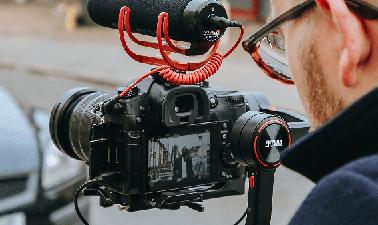
The start of this module begins with an Introduction to Video Production and to the instructors. You will learn about the most common terms used by industry professionals when describing the elements to your video production. You will also learn to identify the equipment and software needs that will produce video with high production value. We will make recommendations for affordable camcorders, and accessories, and about apps that can convert your smartphone camera into a professional recording device. You will learn about lighting devices, media cards, and microphones. We will also make recommendations on affordable editing applications such as Adobe Premiere, or even free editors like iMovie or FilmoraGo, depending on whether you’re using a Mac, PC, iPhone or Android devices.

WEEK 2
Finding and Telling Your Story
You might have an idea for a video, but you have yet to know the story. Essentially, you need a plan. In this module, you will learn about classic narrative structure for storytelling, and come to understand the difference between print and visual stories. You will also be able to identify different story structures such as the Inverted Pyramid, Hourglass and Diamond. Additionally, you will learn how to cultivate sources through pre-interviews to find compelling characters that personalise the story, generate drama, and show the audience what’s at stake. The main goal will be to anticipate how you want to tell your story.

WEEK 3
Script Formats, the Treatment, and Pitch
Would you ever build a new home without blueprints? A home needs a strong foundation, and so does the story you want to tell. In this module, you will learn how to write treatments, scripts and draw storyboards -- tools that will carefully craft your story before you ever pick up a camera. The treatment is a narrative description of your story, which will help you understand how the parts of your story connect. The script shows the specific words that are written to both images and sound, which typically undergoes many revisions. Storyboards are a collection of drawings that help you visualise a scene, and to troubleshoot potential problems before they occur. These documents are key to helping you reduce the uncertainty that is common in many video productions.


Go to Class
MOOC List is learner-supported. When you buy through links on our site, we may earn an affiliate commission.

Related Courses

Fairy Tales: Origins and Evolution of Princess Stories (Canvas.net) Canvas Network
University of South Florida

Fairy Tales: Origins and Evolution of Princess Stories (Canvas.net)

Princess stories have been popular for centuries and remain so today around the world; we’ll dive into what these fairy tales mean, and trace the history of these narratives back to their source material, examining contexts all along the way. We’ll borrow tools from cultural studies, literature studies, and film studies to help us analyze these phenomena and what they mean to our society.

Feb 10th 2014
4 Weeks
Character Design for Video Games (Coursera) Coursera
California Institute of the Arts

Character Design for Video Games (Coursera)

In this course you will explore concepts and approaches involved in creating successful character designs that can be applied to video games. Following a first week delving into some foundational concepts for successful character design, each of the remaining three weeks are structured as a "master class" where you will observe three professional character designers at work in the studio: Andy Ristaino (Adventure Time), Jacky Ke Jiang (Journey), and Robertryan Cory (SpongeBob SquarePants).

Oct 26th 2026
4 Weeks
VR and 360 Video Production (Coursera) Coursera
Google AR & VR

VR and 360 Video Production (Coursera)

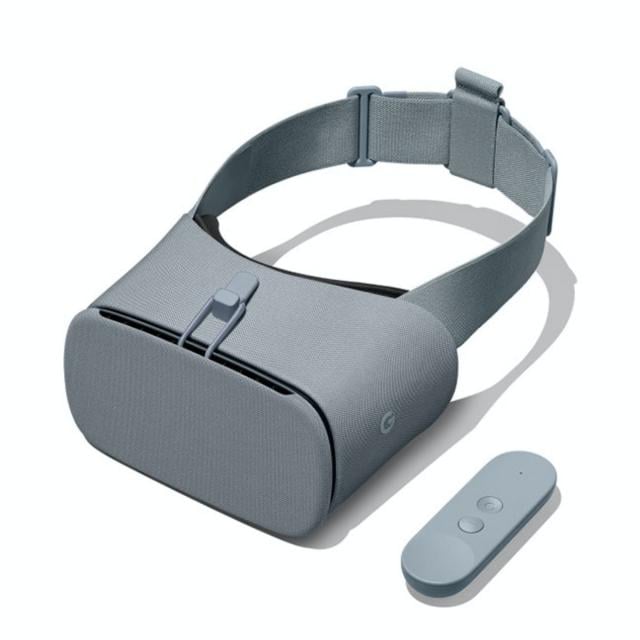
Welcome to Daydream Impact Virtual Reality (VR) and 360 video production course! Our mission is to give you the skills needed to use VR to advocate for a cause and communicate your mission. This course will introduce you to Virtual Reality (VR) and 360 video production, guiding you through a step-by-step process to create VR content. To begin, we recommend taking a few minutes to explore the course site and review the material.

Oct 26th 2026
4 Weeks
How Does the Body Use DNA as a Blueprint? (FutureLearn) FutureLearn
University of Aberdeen

How Does the Body Use DNA as a Blueprint? (FutureLearn)

Get an introduction to the basics of molecular biology, and how DNA code works. Find out how the body repairs and regulates itself. Every part of the body is made according to a code that is carried in the body’s cells. This code is called DNA, and knowing how it works is fundamental to understanding how the body regulates itself throughout our lives.

Self Paced
3 Weeks
Introduction To Animation (Skillshare) Skillshare
Skillshare

Introduction To Animation (Skillshare)

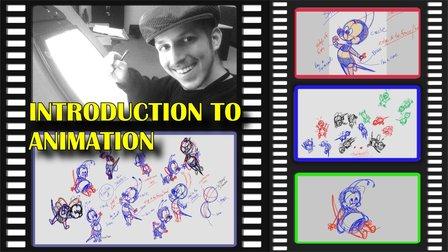
In this pilot episode, we will learn how to animate Spike the Bee from the old school Disney cartoons. For this first class, we will nail down his design, followed by drawing out thumbnails of the character in action. This is a class aimed at students who are either just starting off in the medium or for students who already have some prior knowledge of the art form. This class is great for beginners, hobbyists, and professionals in the field because you can use these skills and your understanding of the character to create your subjects on model in various expressions or poses.

Self Paced
Self-Paced
Low-Budget Video Production: Visual Communication for Small Charities (FutureLearn) FutureLearn
The Open University

Low-Budget Video Production: Visual Communication for Small Charities (FutureLearn)

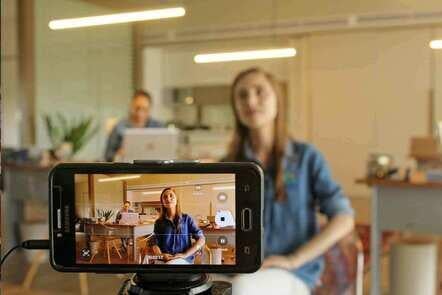
Understand how video can expand and enhance your organisation’s communications and develop practical skills for your productions. Learn how to produce your own low-budget video to convey your charity’s message. Small charities understand that to compete in a tough economic climate they should engage with digital media and video content. But a lack of staff, time, knowledge and resources can get in the way. This practical video production course is designed to bridge that gap and help small charities develop the skills they need for successful video production.

Self Paced
4 Weeks
Storytelling for Change (NovoEd) NovoEd
Acumen

Storytelling for Change (NovoEd)

Acumen and The Ariel Group have created a hands-on course to help you develop your practical skills as a storyteller. Whether you work in an office making presentations in the boardroom, as a teacher with 30 to 300 students, interacting with customers, or one-on-one with individuals, using the elements of story bring you closer to your audience.

No sessions available
5-12 Weeks
Free Class - Screenplay Character Introductions Part 1: Description (Skillshare) Skillshare
Skillshare

Free Class - Screenplay Character Introductions Part 1: Description (Skillshare)

Scripts have no space to waste. We need to get readers onboard and we need to do it fast. A great way to get people connected is to give them some insight into the characters from the moment they meet them. A generic character description isn’t going to cut it. In a short amount of time, we need our readers to be invested and curious.

Self Paced
Self-Paced
Unreal Engine Interactive 3D: Blueprints, Animation, Audio, & Environments (edX) EdX
Rochester Institute of Technology,RITx

Unreal Engine Interactive 3D: Blueprints, Animation, Audio, & Environments (edX)

Expand your interactive Unreal Engine 3D skills with Blueprints, Landscapes, Audio and AI. In this course, you’ll build on your knowledge from UNRL 101 by learning visual scripting using Blueprints. This node-based system based on C++ enables powerful programming without the syntax typically involved in coding. You will gain basic coding skills to use multiple tools for accelerating work and building immersive interactive functionality.

Self Paced
Self-Paced
Future Technologies Series: 3D printing and digital manufacturing (CanopyLAB) CanopyLAB
CanopyLAB

Future Technologies Series: 3D printing and digital manufacturing (CanopyLAB)

This course is a deep-dive in our “Future Technologies” series, where we explore the basics behind the buzzwords to properly understand the impact of technological developments on society. Will you soon be able to print your own clothes? Your own food? Your own gun? This course dives into the possibilities of Digital Manufacturing, popularly known as 3D printing.

Self Paced
Self-Paced