A Beginner's Guide to Environmental Science: Wicked Problems and Possible Solutions (FutureLearn)

A Beginner's Guide to Environmental Science: Wicked Problems and Possible Solutions (FutureLearn)

Delve into the complex and challenging environmental issues that we face today, and how we can manage or even solve them. Learn how environmental management can help address issues that impact us all. Environmental issues affect every human being, and are a truly global concern. This four-week course, presented by Central Queensland University, gives a comprehensive introduction not only to the current problems and threats to the environment but also to possible solutions and effective environmental management.

Class Deals by MOOC List - Click here and see FutureLearn's Active Discounts, Deals, and Promo Codes.

Understand the science underpinning environmental issues
You’ll start by learning about the nature of environmental science, resources, the basis of the world’s ecosystem, and the concept of the triple bottom line for sustainability.
With this strong foundational knowledge, you’ll be able to look at the other issues raised over the course. Not only will you understand them, but you’ll also see how to manage them and what solutions are possible.
Explore the wicked problems facing environmental management
The term ‘wicked problems’ comes from the field of planning and policy. It refers to issues that are difficult or seemingly impossible to solve. For the rest of this course, you’ll be taking a close look at the wicked problems that sustainability and environmentalism are currently facing.
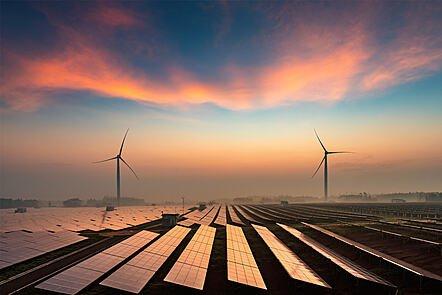
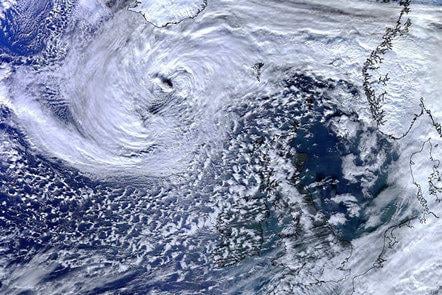
You’ll unpack global climate change, generation of waste, fossil fuel consumption, and, perhaps most challenging of all, the impact of the human population explosion. You’ll also get to explore potential solutions, such as renewable energy sources, and how environmental impacts can be lessened with effective management.
Learn from environmental science experts
Central Queensland University is a hub of scientific research and meaningful projects that better the lives of all Australians. This ethos and the University’s strong academic history (as well as the world-renowned lead educator) make it the ideal place to learn about environmental issues and ways to deal with them.
What topics will you cover?
This course provides an in-depth introduction to:

  • Environmental issues
  • Renewable energy sources
  • Conservation and environmental management
  • Wicked problems in environmental management

Learning on this course
You can take this self-guided course and learn at your own pace. On every step of the course you can meet other learners, share your ideas and join in with active discussions in the comments.
What will you achieve?
By the end of the course, you‘ll be able to...

  • Identify fundamental concepts in environmental science
  • Explore the wicked problem of human demography and the ecological footprint we leave
  • Investigate our earth's atmosphere and global climate change
  • Compare types of waste and learn behavioural changes can help to reduce your impact on the environment.

Who is the course for?
This course is designed for anyone interested in learning the basics of environmental science, including the issues facing the environment and what the human race can do to help.

Go to Class
MOOC List is learner-supported. When you buy through links on our site, we may earn an affiliate commission.

Related Courses

Renewable Energy: Achieving Sustainability through Bioenergy (FutureLearn) FutureLearn
University of Leeds

Renewable Energy: Achieving Sustainability through Bioenergy (FutureLearn)

Understand the principles of bioenergy and learn how to harness this form of renewable energy to achieve sustainability. Learn about the principles and environmental implications of bioenergy. On this two week course, you will explore bioenergy, one of the most diverse and readily available sources of renewable energy. You’ll look into what types of biomass can be used and how sustainable energy solutions can be developed in a wide range of communities.

Self Paced
2 Weeks
Environmental Challenges: Hierarchy in Property Rights (FutureLearn) FutureLearn
University of Leeds

Environmental Challenges: Hierarchy in Property Rights (FutureLearn)

How does language help us develop our relationship with nature and determine the rights of access and ownership? Increasing populations and social changes are pressurising our relationship with the environment. Property rights are embedded in power structures and land management. This course explores the different ways that nature is perceived by different types of societies and the impact of property rights on natural resource management.

Self Paced
2 Weeks
Come Rain or Shine: Understanding the Weather (FutureLearn) FutureLearn
University of Reading

Come Rain or Shine: Understanding the Weather (FutureLearn)

Understand and explore the physical processes behind the weather. Weather affects our lives almost every day through what we wear, what we eat and what we do. But why is it rainy, windy or sometimes even sunny? Explore some of the physical processes driving UK weather systems and get hands on in the world of weather with practical activities and fieldwork.

Self Paced
3 Weeks
A Nutritional Approach to Agriculture and Food Security (FutureLearn) FutureLearn
University of Leeds

A Nutritional Approach to Agriculture and Food Security (FutureLearn)

Develop skills to apply and evaluate innovative solutions that place nutrition at the heart of a sustainable food system. Modern agriculture and global food systems have become very complex and do not always provide people with affordable and nutritious food. This course presents current research, which aims to place nutrition at the heart of the food system.

Self Paced
2 Weeks
Sustainable Energy Access for Communities (FutureLearn) FutureLearn
University College London,Centre for Lebanese Studies,RELIEF Centre,American University of Beirut (AUB)

Sustainable Energy Access for Communities (FutureLearn)

Discover energy access options to help communities move towards a renewable energy future. Explore sustainable solutions to address the challenges of energy access. There are 789 million people around the world who live without access to electricity. In addition, 2.8 billion people globally have no access to clean and safe cooking fuels and technologies. On this three-week course, you’ll explore the meaning of energy access and how to overcome its challenges to provide safe and clean energy for communities around the world.

Self Paced
3 Weeks
IUCN Red List of Ecosystems: The Global Standard for Assessing Risks to Ecosystems (FutureLearn) FutureLearn
Deakin University

IUCN Red List of Ecosystems: The Global Standard for Assessing Risks to Ecosystems (FutureLearn)

This course introduces the IUCN Red List of Ecosystems and its successful use and policy impact through real-world case studies. Learn how the Red List of Ecosystems is helping to sustain global biodiversity. Nature is under threat around the world. Understanding where ecosystems are at greatest risk allows us to act to sustain species and ecosystems.

Self Paced
2 Weeks
Transforming Urban Mobility: Introduction to Transport Planning for Sustainable Cities (FutureLearn) FutureLearn
University College London,Transforming Urban Mobility Initiative - TUMI,GIZ

Transforming Urban Mobility: Introduction to Transport Planning for Sustainable Cities (FutureLearn)

Discover the different dimensions of sustainable urban mobility, including the Avoid-Shift-Improve (ASI) framework. Good transport systems and projects are critical to the development of environmentally sustainable and socially inclusive cities. This course considers the impacts of motorisation, our current unsustainable travel patterns, and the framework for changing to sustainable urban mobility.

Self Paced
4 Weeks
Teaching Climate and Sustainability in Primary Schools: An Outdoor Learning Approach (FutureLearn) FutureLearn
University of Reading

Teaching Climate and Sustainability in Primary Schools: An Outdoor Learning Approach (FutureLearn)

Build your confidence teaching climate and sustainability outdoors and develop ideas to implement in your school. Discover the importance of climate education and outdoor learning. Children around the world are demanding comprehensive and up-to-date education on climate and sustainability. Most teachers agree climate change education should be compulsory in schools, yet many feel ill-equipped to teach it.

Self Paced
2 Weeks
Transformando la Movilidad Urbana: Introducción a la Planeación del Transporte para Ciudades Sostenibles (FutureLearn) FutureLearn
University College London,Transforming Urban Mobility Initiative - TUMI,GIZ,Euroclima+

Transformando la Movilidad Urbana: Introducción a la Planeación del Transporte para Ciudades Sostenibles (FutureLearn)

Descubre las diferentes dimensiones de la movilidad urbana sostenible, incluyendo el marco Evitar-Cambiar-Mejorar ECM. Se recomienda traducir completamente esta página usando la función de traducción del navegador antes de continuar. Aprende cómo los proyectos de movilidad urbana pueden ayudar a crear ciudades sostenibles.

Self Paced
4 Weeks
Extreme Geological Events (FutureLearn) FutureLearn
Cardiff University

Extreme Geological Events (FutureLearn)

Explore how extreme geological events have shaped Earth and what challenges future events might pose to our planet. Discover how extreme geological events have transformed our planet. Retrace how Earth formed 4.5 billion years ago and has evolved to become the planet we know today. On this course, you’ll get an introduction to the geological history of planet Earth, and explore the extreme events that shaped it and created conditions for life.

Self Paced
3 Weeks
Environmental Challenges: Human Impact in the Natural Environment (FutureLearn) FutureLearn
University of Leeds

Environmental Challenges: Human Impact in the Natural Environment (FutureLearn)

Complexity in nature arises from a myriad of simple interactions. How can this lead to an unpredictable dynamism? Complex patterns in ecology are not always causal and predictable. Populations have their own dynamics that can be independent of external environmental conditions. In this course we look at the way that natural systems are organised; although living systems are complex, there are also some fairly constant patterns and relationships.

Self Paced
2 Weeks