U.S. Health Law Fundamentals (Coursera)

U.S. Health Law Fundamentals (Coursera)

This course explores how statutes, regulations, common law, and market forces help or hinder three major goals of policy makers: increasing access, reducing cost, and improving quality. We will examine the Supreme Court’s rulings on the ACA and other legal aspects of modern health care reform.

Class Deals by MOOC List - Click here and see Coursera's Active Discounts, Deals, and Promo Codes.

Learners who successfully complete this course will be able to describe the laws, regulations, common law and market forces that shape our health care system and identify areas where ideas and innovation are needed; explain the malpractice system and how it influences medical practice; and analyze legal aspects of the ACA.
What You Will Learn

  • Identify the distinguishing features of the American healthcare system and the role of administrative law in modern medical care
  • Understand the history, scope, and limits of conscientious objection
  • Define the basic medical malpractice standard used in the U.S. legal system
  • Understand the role of the federal government in administering Medicare and Medicaid

Course 1 of 4 in the Healthcare Law Specialization.

Syllabus

WEEK 1
Introduction to the U.S. Legal System, EMTALA
This introductory module begins with an overview of the U.S. legal system as context for the complex patchwork that is U.S. health law. We then look in detail at how administrative law functions to regulate modern medical care. Then we take a close look at our first specific law - EMTALA, which guarantees screening and stabilization in emergency situations.

WEEK 2
Formation and Termination, Privacy and Confidentiality
The second module closely examines the doctor-patient relationship: how it is formed, terminated, and in some cases, abandoned. We then examine the rise of conscientious objection as a right of medical providers.

WEEK 3
Quality Control
This module explores the various mechanisms in place to ensure quality control in the U.S. healthcare system, including licensure and accreditation as a preventative measure, and tort law and liability as a remedial measure.

WEEK 4
Medicare, Medicaid, and The Patient Protection and Affordable Care Act
This final module focuses on the role of the federal government in administering Medicare and Medicaid as well as the effects of the recently passed Affordable Care Act.
Go to Class
MOOC List is learner-supported. When you buy through links on our site, we may earn an affiliate commission.

Related Courses

Dopage : Sports, Organisations et Sciences (Coursera) Coursera
University of Lausanne

Dopage : Sports, Organisations et Sciences (Coursera)

L'objectif du cours est de permettre une compréhension distanciée du dopage. C’est pour atteindre cet objectif que le cours s’appuie sur une approche pluridisciplinaire qui constitue une opportunité d'observer comment diverses disciplines abordent un même objet, selon différents angles et de manière complémentaire. Il s'agit également de donner des repères permettant d'appréhender le dopage dans sa complexité.

Oct 12th 2026
4 Weeks
Curanderismo: Traditional Healing Using Plants (Coursera) Coursera
University of New Mexico

Curanderismo: Traditional Healing Using Plants (Coursera)

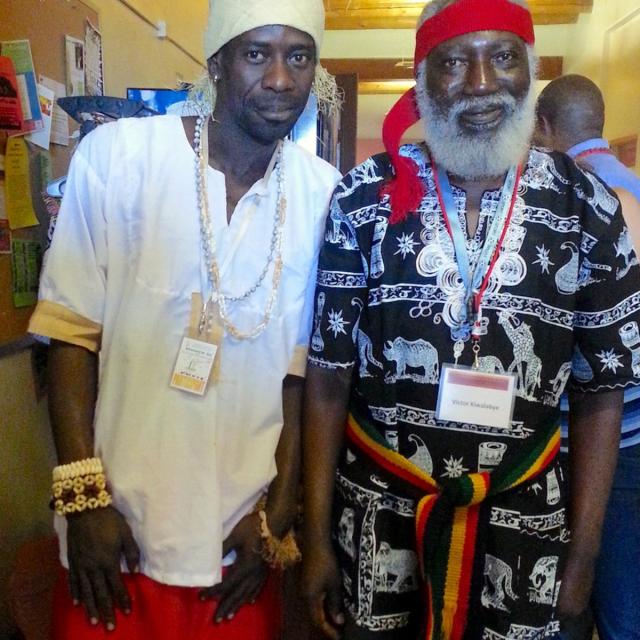
As one of four courses on Curanderismo, the art of Hispanic/Latino traditional medicine, this course focuses specifically on the use of plants in traditional healing. As an educational and cultural platform, this course will share the history, influences, and contributions of traditional medicine. Trained traditional healers will share their knowledge of the healing properties of plants commonly found in the Southwestern United States and Mexico through practical applications that can still be used today.

Oct 19th 2026
5-12 Weeks
Weight Management: Beyond Balancing Calories (Coursera) Coursera
Emory University

Weight Management: Beyond Balancing Calories (Coursera)

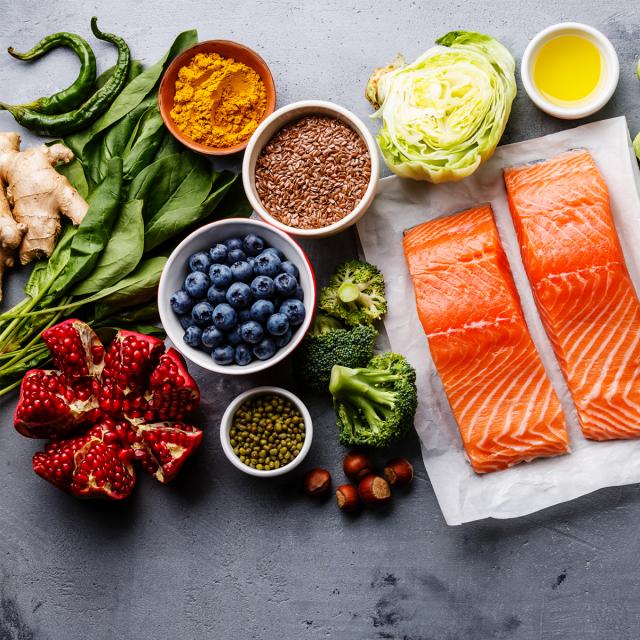
Across the globe, more people are suffering from obesity than at any other time in our history. Why has obesity become so common and so challenging? In this course, we will look at the root cause of obesity, as explained by the latest science. We will see how our food environment has evolved over the last half-century, and how it is altering our biology to over-consume calories and resist sustained weight loss.

Oct 12th 2026
5-12 Weeks
Evidence-based Toxicology (Coursera) Coursera
Johns Hopkins University

Evidence-based Toxicology (Coursera)

Welcome to the Evidence-based Toxicology (EBT) course. In medicine and healthcare, evidence-based medicine has revolutionized the way that information is evaluated transparently and objectively. Over the past ten years, a movement in North America and Europe has attempted to translate this revolution to the field of toxicology.

Oct 12th 2026
5-12 Weeks
Impacting the Opioid Crisis: Prevention, Education, and Practice for Non-Prescribing Providers (Coursera) Coursera
University of Michigan

Impacting the Opioid Crisis: Prevention, Education, and Practice for Non-Prescribing Providers (Coursera)

This course will empower non-prescribing providers to directly impact the ongoing opioid crisis in the United States through increased knowledge and tools that will transform practice and policies. The course will inform you about the opioid epidemic and provide information and research about evidence-based strategies that are focused on prevention, intervention, education, or policy.

Oct 12th 2026
5-12 Weeks
Curanderismo: Global & Cultural Influences of Traditional Healing (Coursera) Coursera
University of New Mexico

Curanderismo: Global & Cultural Influences of Traditional Healing (Coursera)

As the last of four courses on Curanderismo, the art of Hispanic/Latino traditional medicine, this course focuses specifically on traditional healing using different techniques of many countries around the world. As an educational and cultural platform, this course will share a number of traditional global perspectives.

Oct 12th 2026
5-12 Weeks
HPV-Associated Oral and Throat Cancer: What You Need to Know (Coursera) Coursera
Icahn School of Medicine at Mount Sinai

HPV-Associated Oral and Throat Cancer: What You Need to Know (Coursera)

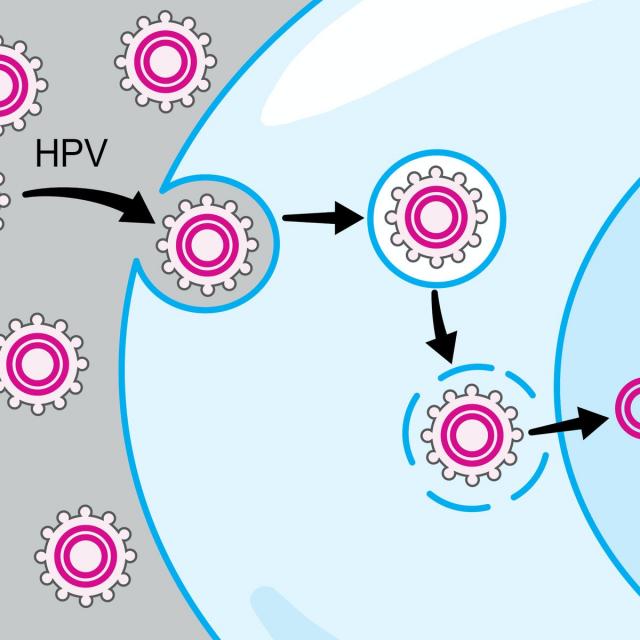
This course, offered by the Department of Otolaryngology – Head and Neck Surgery at the Icahn School of Medicine at Mount Sinai, is designed to inform primary care physicians and otolaryngologists (general and head and neck surgeons), as well as medical students, residents, nurses, physician assistants, medical assistants, about HPV-associated oral and throat cancers. It is also applicable to individuals who wish to broaden their knowledge and vernacular about this disease process, especially those who may have been diagnosed with HPV and/or HPV-associated oropharyngeal cancers.

Oct 12th 2026
5-12 Weeks
Clinical Kidney, Pancreas and Islet Transplantation (Coursera) Coursera
Leiden University,Leiden University Medical Center

Clinical Kidney, Pancreas and Islet Transplantation (Coursera)

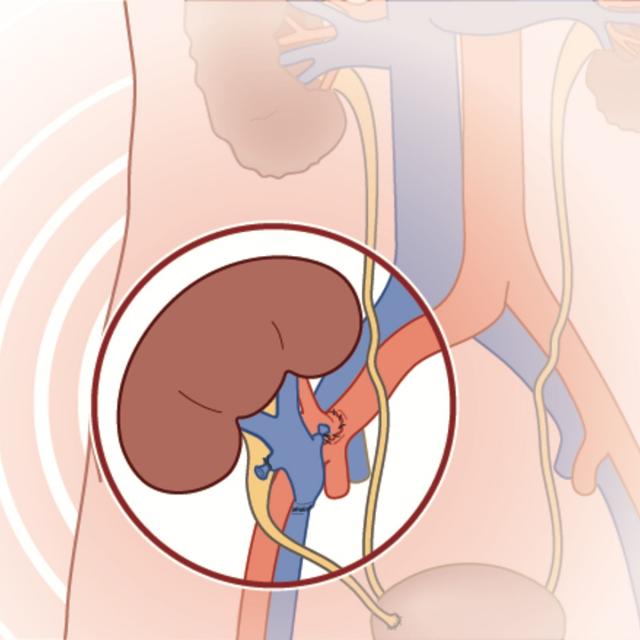
Kidney transplantation is a major advance of modern medicine which provides high-quality of life for patients with end-stage renal disease. What used to be an experimental, risky, and very limited treatment option more than 50 years ago is now routinely performed in many countries worldwide. The number of renal transplants is expected to rise sharply in the next decade since the proportion of patients with end stage renal disease is increasing.

Oct 12th 2026
4 Weeks
Stories of Infection (Coursera) Coursera
Stanford University

Stories of Infection (Coursera)

This course introduces learners to a variety of infectious diseases using a patient-centered, story-based approach. Through illustrated, short videos, learners will follow the course of each patient’s illness, from initial presentation to resolution. Integrating the relevant microbiology, pathophysiology and immunology, this course aims to engage and entice the learner towards future studies in microbiology, immunology and infectious diseases.

Oct 12th 2026
5-12 Weeks
Chemicals and Health (Coursera) Coursera
Johns Hopkins University

Chemicals and Health (Coursera)

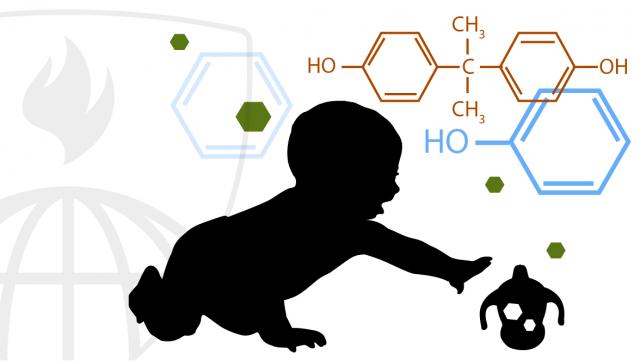
This course covers chemicals in our environment and in our bodies and how they impact our health. It addresses policies and practices related to chemicals, particularly related to how they get into our bodies (exposures), what they do when they get there (toxicology), how we measure them (biomonitoring) and their impact on our health. Most examples are drawn from the US.

Oct 12th 2026
5-12 Weeks