Breastfeeding: Public Health Perspectives (Coursera)

Breastfeeding: Public Health Perspectives (Coursera)

Engaging in this course will provide you with the opportunity to think about breastfeeding and its public health implications. The Socio-Ecological Model will be the framework of the course as we think about how each level of the Model (individual, interpersonal, community, organizational, and public policy) impacts breastfeeding practices in the United States, and globally.

Class Deals by MOOC List - Click here and see Coursera's Active Discounts, Deals, and Promo Codes.

Through short video lectures you will be introduced to relevant topics related to the public health perspectives of breastfeeding such as the maternal and child short- and long-term health benefits, economic and environmental impacts, the state of health profession curricula surrounding breastfeeding education, and breastfeeding practices of the LGBTQ+ community.
You will apply this knowledge to critique breastfeeding literature, create a breastfeeding budget for a particular breastfeeding parent persona, and design an education material to promote breastfeeding. As you complete this course, you should feel confident in identifying the barriers to successful breastfeeding practices and understand how adequate breastfeeding will impact population health.

Syllabus

WEEK 1
This week's Module will address the following: What is a Public Health Problem? The Socio-ecological lens; Overview of breastfeeding environment in the US and globally.

WEEK 2
This week's Module will address the following: Maternal Self-Efficacy, Family, and Community Support for Breastfeeding.

WEEK 3
This week's Module will address the following: Support from Health Care Providers and Employers

WEEK 4
This week's Module will address the following: Research and Surveillance

Go to Class
MOOC List is learner-supported. When you buy through links on our site, we may earn an affiliate commission.

Related Courses

Introduction to Dental Medicine (Coursera) Coursera
University of Pennsylvania

Introduction to Dental Medicine (Coursera)

The mouth is the window into human health. This course provides an overview of dental medicine to engage, educate, excite and assist you in improving the oral health of your patients and members of your community. We will review topics in dental medicine including scope of the field, what to expect in function, and some of the many ways that dysfunction may present for different patients.

Oct 5th 2026
5-12 Weeks
Introduction to Systems Biology (Coursera) Coursera
Icahn School of Medicine at Mount Sinai

Introduction to Systems Biology (Coursera)

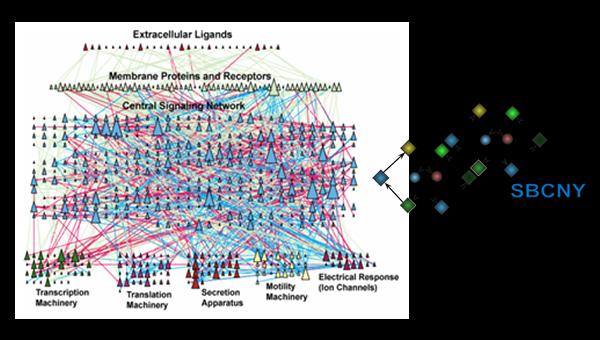
This course will introduce the student to contemporary Systems Biology focused on mammalian cells, their constituents and their functions. Biology is moving from molecular to modular. As our knowledge of our genome and gene expression deepens and we develop lists of molecules (proteins, lipids, ions) involved in cellular processes, we need to understand how these molecules interact with each other to form modules that act as discrete functional systems.

Oct 5th 2026
5-12 Weeks
Confronting Gender Based Violence: Global Lessons for Healthcare Workers (Coursera) Coursera
Johns Hopkins University

Confronting Gender Based Violence: Global Lessons for Healthcare Workers (Coursera)

This course introduces participants from the healthcare sector to gender based violence (GBV), including global epidemiology of GBV; health outcomes; seminal research; and clinical best practices for GBV prevention, support, and management. A core curriculum is supplemented by lectures that contextualize the content with specific examples and programs from around the world.

Oct 12th 2026
4 Weeks
Communicating During Global Emergencies (Coursera) Coursera
Emory University

Communicating During Global Emergencies (Coursera)

In collaboration with the Rollins School of Public Health and the CDC's Division of Global Health Protection, Emergency Response, and Recovery Branch, this course introduces basic concepts and principles of communicating during a global crisis or emergency. It explores why communication during an emergency is different and the importance of adapting emergency messages to the needs of affected populations.

Oct 5th 2026
3 Weeks
Sustainable Food Production Through Livestock Health Management (Coursera) Coursera
University of Illinois at Urbana-Champaign

Sustainable Food Production Through Livestock Health Management (Coursera)

Learn about the impact of infectious disease on sustainable animal-based food production by understanding the science of growth, immunity, and infection and by learning the problem-solving skills needed to advance animal health and food production through optimal management practices. In this course we will explore the effect of infectious disease on sustainable animal-based food production. The content and learning outcomes of this new course will be designed to be relevant across different food production sectors (i.e., beef, dairy, poultry, and pigs).

Oct 5th 2026
5-12 Weeks
Everyday Chinese Medicine 2 (Coursera) Coursera
The Chinese University of Hong Kong

Everyday Chinese Medicine 2 (Coursera)

This course, Everyday Chinese Medicine II offered by the Chinese University of Hong Kong, aims to show to the public, as well as the healthcare professionals about the basic principles of Chinese medicine. Our primary goal is to empower healthcare choices by promoting awareness and practical application on Chinese medicine diagnostic and therapeutic approaches, and to facilitate interprofessional education between Chinese and conventional clinicians.

Oct 5th 2026
5-12 Weeks
Mind Control: Managing Your Mental Health During COVID-19 (Coursera) Coursera
University of Toronto

Mind Control: Managing Your Mental Health During COVID-19 (Coursera)

Never in the history of humanity have so many people been feeling intense anxiety related to COVID-19 and the world it will leave in its wake. The intent of this course is to give you a deeper understanding of the anxiety reaction as it relates to various aspects of our current life, ranging from our consumption of news to the way we talk to our children about this. I will also give you clear strategies for managing and, in fact, turning off the anxiety response at least for short periods.

Oct 5th 2026
4 Weeks
Psychological First Aid (Coursera) Coursera
Johns Hopkins University

Psychological First Aid (Coursera)

Learn to provide psychological first aid to people in an emergency by employing the RAPID model: Reflective listening, Assessment of needs, Prioritization, Intervention, and Disposition. Utilizing the RAPID model (Reflective listening, Assessment of needs, Prioritization, Intervention, and Disposition), this specialized course provides perspectives on injuries and trauma that are beyond those physical in nature. The RAPID model is readily applicable to public health settings, the workplace, the military, faith-based organizations, mass disaster venues, and even the demands of more commonplace critical events, e.g., dealing with the psychological aftermath of accidents, robberies, suicide, homicide, or community violence.

Oct 5th 2026
5-12 Weeks
Ecosystems of California (Coursera) Coursera
University of California, Santa Cruz

Ecosystems of California (Coursera)

This course surveys the diversity, structure and functioning of California’s ecosystems through time and the ways they have influenced and responded to human activities and stewardship. Topics include ecosystem drivers such as climate, soils, and land use history; human and ecological prehistory of the state; comparative marine, freshwater, and terrestrial ecosystem dynamics; and managed ecosystems such as range, fisheries and agriculture in California.

Oct 5th 2026
5-12 Weeks
Introduction to Hearing Loss (Coursera) Coursera
Icahn School of Medicine at Mount Sinai

Introduction to Hearing Loss (Coursera)

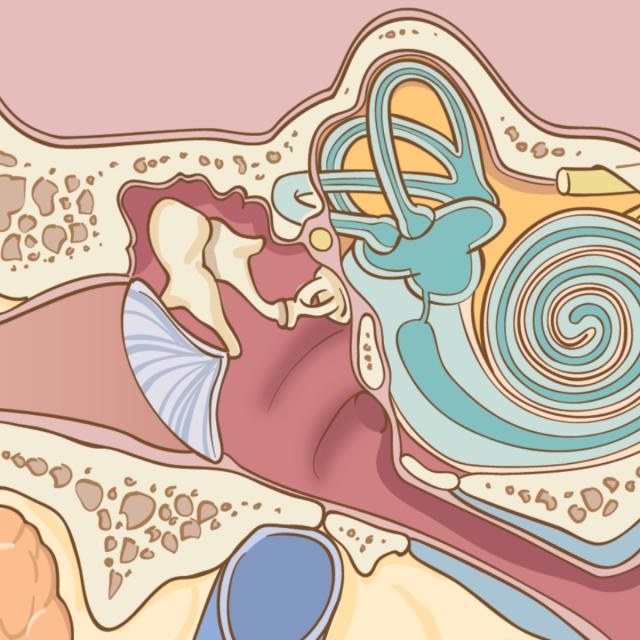
Welcome to Introduction to Hearing Loss. Disorders of the ear range from simple, easily treated entities (such as wax or cerumen impaction) to the highly complex (such as permanent hearing loss). Many of these disorders manifest with similar symptoms and may be difficult to differentiate without a basic understanding of the anatomy of the ear and auditory pathway.

Oct 5th 2026
4 Weeks