Solving the Energy Puzzle: A Multidisciplinary Approach to Energy Transition (FutureLearn)

Solving the Energy Puzzle: A Multidisciplinary Approach to Energy Transition (FutureLearn)

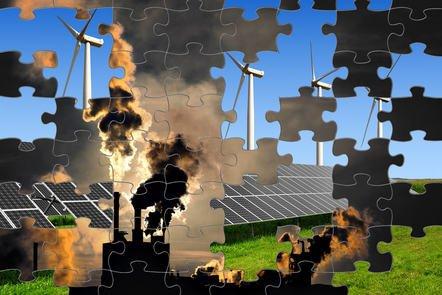
Learn how to analyse energy transition cases from technological, legal, economics, spatial, and social perspectives. Since the discovery of fire, mankind has used various energy sources to aid our development. The energy system has been continually changing, as the economy and technology progress. Today, energy systems are confronted with pressing global challenges: climate protection; economic and social development; poverty eradication; adequate food production; health for all; and the conservation of ecosystems, peace and security. A major transformation – an energy transition - is required to address these challenges.

Class Deals by MOOC List - Click here and see FutureLearn's Active Discounts, Deals, and Promo Codes.

Take a multidisciplinary approach to energy transition
Energy transition, however, is not a simple question with straightforward solutions. Instead, it must consider and balance technological, legal, economic, spatial and social aspects.
On this free online course, we will take this multidisciplinary approach, to examine the energy transition question from each of these perspectives. We will provide you with the framework and methods to analyse the question yourself.
We will start by introducing global energy and sustainability issues, and possible scenarios in the first week. To facilitate and realise changes in energy systems, technology and innovation plays an important role. This will be discussed in Week 2.
In Weeks 3 and 4, we will analyse legal and economic considerations at regional and country levels. When country-level decisions are being implemented, spatial planning and social acceptance come into the picture.
In Weeks 5 and 6, we will discuss how communities and individuals perceive energy transitions and interact with policies.

Analyse energy transition in your own country
In the final week, you will use the knowledge and skills you will have acquired from this course, to analyse the energy transition question in your own country.
To provide insightful analysis and suggest sensible solutions in your final assignment, start thinking now about energy transition questions in your country that you want to work on. With these questions in mind, you can practise and deepen your knowledge with articles, discussions and quizzes each week.

Go to Class
MOOC List is learner-supported. When you buy through links on our site, we may earn an affiliate commission.

Related Courses

Transforming Urban Mobility: Introduction to Transport Planning for Sustainable Cities (FutureLearn) FutureLearn
University College London,Transforming Urban Mobility Initiative - TUMI,GIZ

Transforming Urban Mobility: Introduction to Transport Planning for Sustainable Cities (FutureLearn)

Discover the different dimensions of sustainable urban mobility, including the Avoid-Shift-Improve (ASI) framework. Good transport systems and projects are critical to the development of environmentally sustainable and socially inclusive cities. This course considers the impacts of motorisation, our current unsustainable travel patterns, and the framework for changing to sustainable urban mobility.

Self Paced
4 Weeks
Creating Ethical and Sustainable Cities at the Local Level (FutureLearn) FutureLearn
RMIT University,EIT Community

Creating Ethical and Sustainable Cities at the Local Level (FutureLearn)

See how frameworks for ethical and sustainable cities can be localised, fostering resilient cities for the future. Learn how you can contribute to the sustainable cities of tomorrow. It’s widely accepted that, as we look towards the future, we need to actively create cities that are ethical, sustainable, inclusive, and well-governed. To do this, we need to localise frameworks and principles such as the Sustainable Development Goals (SDGs), the European Green Deal and New European Bauhaus to make tangible differences. Knowing how to start this localisation can be daunting, which is why this course from RMIT is so valuable.

Self Paced
2 Weeks
Innovation in Arable Farming: Technologies for Sustainable Farming Systems (FutureLearn) FutureLearn
University of Reading,EIT Food,EIT

Innovation in Arable Farming: Technologies for Sustainable Farming Systems (FutureLearn)

Explore how innovative, digital technologies can help achieve sustainable intensification of arable farming systems. Consider ways arable farmers in the EU can use agri-tech to benefit business. On this course, you’ll explore evidence-based information that outlines the benefits and challenges of adopting new technologies within the EU, and have the chance to read case study examples of some of these applications.

Jan 2nd 2023
3 Weeks
Transforming Urban Mobility: Components of Transport Planning for Sustainable Cities (FutureLearn) FutureLearn
University College London,Transforming Urban Mobility Initiative - TUMI,GIZ

Transforming Urban Mobility: Components of Transport Planning for Sustainable Cities (FutureLearn)

Examine how different types of public transport can be employed to make urban transport more sustainable. Discover how urban transport can be made more sustainable. Good transport systems and projects are critical to the development of sustainable cities. On this course, you’ll consider the Avoid-Shift-Improve (ASI) framework – particularly the ‘Shift’ and ‘Improve’ dimensions – as key components of a sustainable urban mobility strategy.

Self Paced
5-12 Weeks
Chemical Engineering: Shaping a Sustainable Future (FutureLearn) FutureLearn
University of Leeds

Chemical Engineering: Shaping a Sustainable Future (FutureLearn)

Learn how chemical engineering can help to solve global challenges and explore its role in delivering sustainable development. Understand how chemical engineers can provide sustainable solutions. Chemical engineers are leading the way in providing answers to global challenges such as climate change, food security, and effective healthcare. On this two-week course, you will be introduced to the exciting world of chemical engineering. You’ll explore how chemical engineers develop and design chemical manufacturing processes to provide sustainable solutions.

Self Paced
2 Weeks
New Energy Technologies: Energy Transition and Sustainable Development (FutureLearn) FutureLearn
Grenoble Ecole de Management

New Energy Technologies: Energy Transition and Sustainable Development (FutureLearn)

Explore the development of new energy technologies and discover key energy challenges with this online course. In a world facing pressing energy challenges, the need for alternative energy and new energy technologies has never been more pressing. This course explores the new and upcoming technologies that may help solve some of the world’s biggest energy challenges - examining them from both a business and technological perspective.

Self Paced
4 Weeks
Unleash Your Potential: Sustainable Futures (FutureLearn) FutureLearn
University of Bristol

Unleash Your Potential: Sustainable Futures (FutureLearn)

Learn about the sustainability challenges of the modern world, and make a positive contribution to society. Find out how to deal with world sustainability issues. United Nations (UN) countries have adopted a set of goals to end poverty, protect the planet and ensure prosperity for all. On this online course, you’ll learn about these UN Sustainable Development Goals, and the different roles people can play in creating a sustainable future.

Self Paced
4 Weeks
IUCN Red List of Ecosystems: The Global Standard for Assessing Risks to Ecosystems (FutureLearn) FutureLearn
Deakin University

IUCN Red List of Ecosystems: The Global Standard for Assessing Risks to Ecosystems (FutureLearn)

This course introduces the IUCN Red List of Ecosystems and its successful use and policy impact through real-world case studies. Learn how the Red List of Ecosystems is helping to sustain global biodiversity. Nature is under threat around the world. Understanding where ecosystems are at greatest risk allows us to act to sustain species and ecosystems.

Self Paced
2 Weeks
Nutrition for Health and Sustainability (FutureLearn) FutureLearn
EIT Food,EIT

Nutrition for Health and Sustainability (FutureLearn)

Learn what makes up a healthy, sustainable diet and how certain food types can help to treat and prevent disease. Explore the relationship between health, nutrition, and sustainability. Diet is the biggest single risk factor for preventable diseases in the world and a key driver of diabetes, heart disease, and other non-communicable diseases (NCDs). On this course, you’ll look at what makes up a healthy diet, and see what types of foods play a crucial part in preventing diseases and improving wellbeing.

Sep 4th 2023
3 Weeks
From Waste to Value: How to Tackle Food Waste (FutureLearn) FutureLearn
University of Reading,EIT Food,EIT

From Waste to Value: How to Tackle Food Waste (FutureLearn)

Discover the causes and impact of food waste, and learn how you can tackle it on a personal, community, and national level. Explore how combatting food waste and food loss can help the environment. The significant contribution the food system makes to climate change is widely recognised, and consumers are increasingly concerned about food waste. On this course, you’ll explore how you – as a consumer – can act and inspire others to reduce food waste effectively and sustainably.

Feb 6th 2023
3 Weeks
Educating for Sustainable Development (ESD) in Schools and Universities (FutureLearn) FutureLearn
University College London

Educating for Sustainable Development (ESD) in Schools and Universities (FutureLearn)

Explore the global challenges facing sustainable development worldwide and how to introduce them in schools and HE institutions. Develop the skills to examine sustainable development with all learners. As part of the UN Sustainable Development Goals, schools and universities have a responsibility to educate all learners on sustainability. On this three-week course, you’ll gain an overview of the key issues relating to sustainability and how to deliver this knowledge, whether you teach in schools or higher education.

Self Paced
3 Weeks