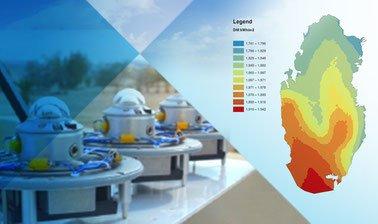
Learn how to use the components of solar radiation, solar spectrum, forecasting and meteorology to advocate and plan for deploying PV in desert climates. Desert regions may seem optimal for solar energy and the deployment of photovoltaic (PV) applications. However, the heat and dust experienced in the region poses a challenge for the optimal performance of PV modules and reliability of the applications.
Class Deals by MOOC List - Click here and see EdX's Active Discounts, Deals, and Promo Codes.
In this course, you will learn how to mitigate these challenges by understanding the components of solar radiation and the characteristics of solar cells and the solar spectrum. You will also learn about forecasting and nowcasting and how this influences selecting a site for PV application. The economic impact of PV applications is a key area of interest and this course provides you with knowledge on the costs and benefits of solar energy from PV applications.
This course is part of the Solar Energy in Hot Desert Climates Professional Certificate.
What you'll learn
- How to identify components of solar radiation and solar spectrum
- How to analyse site specific data to determine the effect of atmospheric aerosols on surface irradiation
- How to locate the most lucrative, effective and efficient sites for PV application
- How to draw upon regional resources to conduct nowcasting and short-term forecasting
- How to calculate the cost of energy from PV in hot desert environments and estimate its economic impact
Syllabus
Module 0:Getting Started
Module 1: Components of Solar Radiation and Solar Spectrum
Module 2: Assessment and Forecasting of Ground Irradiation, Monitoring of Air Quality, Meteorology and Challenges in Harsh Climates
Module 3: Site Selection Considerations for PV System Applications
Module 4: Assessing the Effect of Atmospheric Aerosols on Surface Irradiation
Module 5: Cost of Energy from PV Technology in Hot Desert Environments
Module 6: Techno- Economic Models of PV Technology Diffusion in Fossil-Fuel Rich Countries
Module 7: Consolidate yourLearning