The Science of Health Care Delivery (Coursera)

The Science of Health Care Delivery (Coursera)

The Mayo Clinic and Arizona State University Alliance for Health Care has developed innovative Science of Health Care Delivery training programs which introduce scientific approaches to quality improvement for patient care and population health, while also examining ways to reduce health costs. The full training, which explores key concepts in the Science of Health Care Delivery and why it is critically important to future patient care, can be used by health care professionals or as curriculum for aspiring care providers.

Class Deals by MOOC List - Click here and see Coursera's Active Discounts, Deals, and Promo Codes.

By the end of this introductory course, learners will recognize the how education in the Science of Health Care Delivery can improve and enhance the quality of provider care, health care systems and patient health. The overview course consists of a multimedia introduction to Science of Health Care Delivery domains, followed by video segments where learners meet a patient and caregivers who embody or apply new knowledge, skills and attitudes learned from the Science of Health Care Delivery. An expert reflection after each video presentation reinforces the domain’s concepts. Learners can seek more information into this dynamic field with the additional resources provided at the end of the course.

Syllabus

WEEK 1: The Science of Health Care Delivery: Transformation of Health Care Delivery Through Education & Research
Go to Class
MOOC List is learner-supported. When you buy through links on our site, we may earn an affiliate commission.

Related Courses

Cybersecurity in Healthcare (Hospitals & Care Centres) (Coursera) Coursera
Erasmus University Rotterdam

Cybersecurity in Healthcare (Hospitals & Care Centres) (Coursera)

The Cybersecurity in Healthcare MOOC was developed as part the SecureHospitals.eu project. This project has received funding from the European Union’s Horizon 2020 Coordination Research and Innovation Action under Grant Agreement No. 826497. The course "Cybersecurity in Healthcare" has been developed to raise awareness and understanding the role of cybersecurity in healthcare (e.g., hospitals, care centres, clinics, other medical or social care institutions and service organisations) and the challenges that surround it.

Oct 5th 2026
5-12 Weeks
Introduction to Systems Biology (Coursera) Coursera
Icahn School of Medicine at Mount Sinai

Introduction to Systems Biology (Coursera)

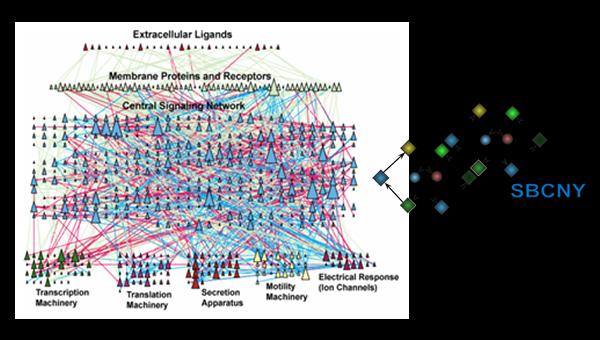
This course will introduce the student to contemporary Systems Biology focused on mammalian cells, their constituents and their functions. Biology is moving from molecular to modular. As our knowledge of our genome and gene expression deepens and we develop lists of molecules (proteins, lipids, ions) involved in cellular processes, we need to understand how these molecules interact with each other to form modules that act as discrete functional systems.

Oct 5th 2026
5-12 Weeks
Sustainable Food Production Through Livestock Health Management (Coursera) Coursera
University of Illinois at Urbana-Champaign

Sustainable Food Production Through Livestock Health Management (Coursera)

Learn about the impact of infectious disease on sustainable animal-based food production by understanding the science of growth, immunity, and infection and by learning the problem-solving skills needed to advance animal health and food production through optimal management practices. In this course we will explore the effect of infectious disease on sustainable animal-based food production. The content and learning outcomes of this new course will be designed to be relevant across different food production sectors (i.e., beef, dairy, poultry, and pigs).

Oct 5th 2026
5-12 Weeks
Global Health Policy (Coursera) Coursera
The University of Tokyo

Global Health Policy (Coursera)

In this course, learners will become familiar with principles and theories of global health problems, and major challenges and controversies in improving global population health as well as practical applications of quantitative methods to analyze and interpret issues and challenges for policy. Topics will include health and foreign policy, health governance, acute disease surveillance, non-communicable diseases, burden of disease, universal health coverage, health systems strengthening, health financing, and human resources for health and ageing.

Oct 5th 2026
4 Weeks
Foundations of Healthcare Systems Engineering (Coursera) Coursera
Johns Hopkins University

Foundations of Healthcare Systems Engineering (Coursera)

Through dynamic video lectures and practical application questions, you will learn about the Foundations of Healthcare Systems Engineering. In this course you will learn about the current lack of synchronized, efficient, and integrated healthcare systems, which are some of the drivers for improvements to healthcare delivery.

Oct 5th 2026
4 Weeks
Whole genome sequencing of bacterial genomes - tools and applications (Coursera) Coursera
Technical University of Denmark - DTU

Whole genome sequencing of bacterial genomes - tools and applications (Coursera)

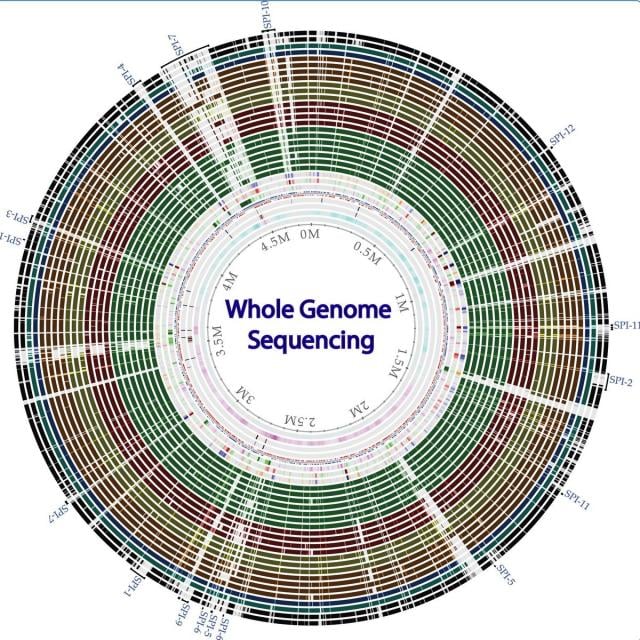
This course will cover the topic of Whole genome sequencing (WGS) of bacterial genomes which is becoming more and more relevant for the medical sector. WGS technology and applications are high on international political agenda, as the classical methods are being replaced by WGS technology and therefore bioinformatic tools are extremely important for allowing the people working in this sector to be able to analyze the data and obtain results that can be interpreted and used for different purposes.

Oct 5th 2026
5-12 Weeks
Community Awareness Course: Sexuality and Disability (Coursera) Coursera
University of Minnesota

Community Awareness Course: Sexuality and Disability (Coursera)

This community awareness course from the University of Minnesota Program on Human Sexuality will provide you with a solid introduction to human sexuality for those living with disabilities. Often there are assumptions that the disabled or differently abled people are not sexual, do not have sexual needs, or cannot be involved sexually. In this professionally produced one-hour course, you'll learn about the basics of disabilities and human sexuality.

Oct 5th 2026
5-12 Weeks
The Oral Cavity: Portal to Health and Disease (Coursera) Coursera
University of Pennsylvania

The Oral Cavity: Portal to Health and Disease (Coursera)

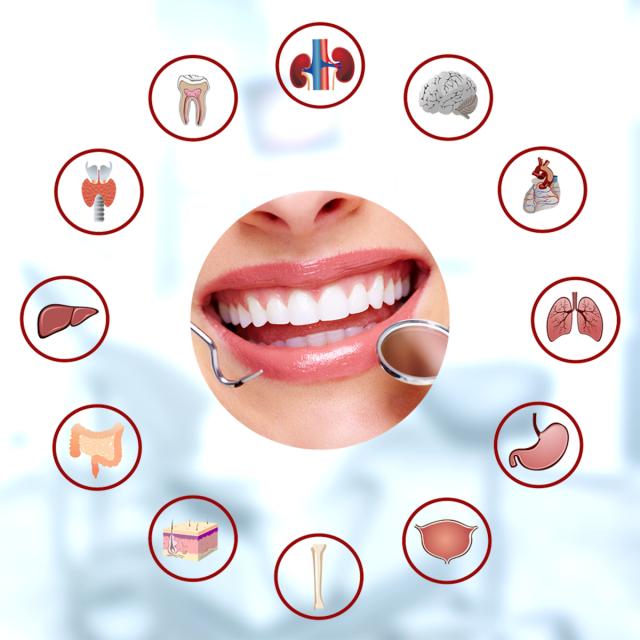
This course will focus on the interprofessional realtionship of dentistry and medicine. For each session, the medical specialist will present a broad overview of specific disease entity which will be followed by a dental educator discussing the relevant oral manifestations and implications. The final module of each session will be devoted to the interaction between the dental and other health care professionals.

Oct 5th 2026
5-12 Weeks
Violence Against Healthcare (Coursera) Coursera
University of Geneva

Violence Against Healthcare (Coursera)

At the global level, there are many countries marked by violence affecting health care. The 'Health care in danger' project aims to establish practical measures and recommendations that can be implemented on the ground by policy-makers, humanitarian organizations and health professionals. In view of the multiplicity of actors and latitudes concerned, it is essential to be able to make available the tools needed to make informed decisions, guide behaviour in high-risk areas and provide everyone the means to create and optimize the dialogue between humanitarian professionals and health on the one hand and relevant authorities or other armed actors.

Oct 5th 2026
5-12 Weeks
Psychological First Aid (Coursera) Coursera
Johns Hopkins University

Psychological First Aid (Coursera)

Learn to provide psychological first aid to people in an emergency by employing the RAPID model: Reflective listening, Assessment of needs, Prioritization, Intervention, and Disposition. Utilizing the RAPID model (Reflective listening, Assessment of needs, Prioritization, Intervention, and Disposition), this specialized course provides perspectives on injuries and trauma that are beyond those physical in nature. The RAPID model is readily applicable to public health settings, the workplace, the military, faith-based organizations, mass disaster venues, and even the demands of more commonplace critical events, e.g., dealing with the psychological aftermath of accidents, robberies, suicide, homicide, or community violence.

Oct 5th 2026
5-12 Weeks
Acute and Chronic Rhinosinusitis: A Comprehensive Review (Coursera) Coursera
Icahn School of Medicine at Mount Sinai

Acute and Chronic Rhinosinusitis: A Comprehensive Review (Coursera)

This course is designed to inform primary care physicians and general otolaryngologists about the differences between acute and chronic rhinosinusitis and how to distinguish and treat them. It is also applicable to individuals who wish to broaden their knowledge and vernacular about this disease process, especially those who may suffer from this condition.

Oct 5th 2026
5-12 Weeks
Introduction to Hearing Loss (Coursera) Coursera
Icahn School of Medicine at Mount Sinai

Introduction to Hearing Loss (Coursera)

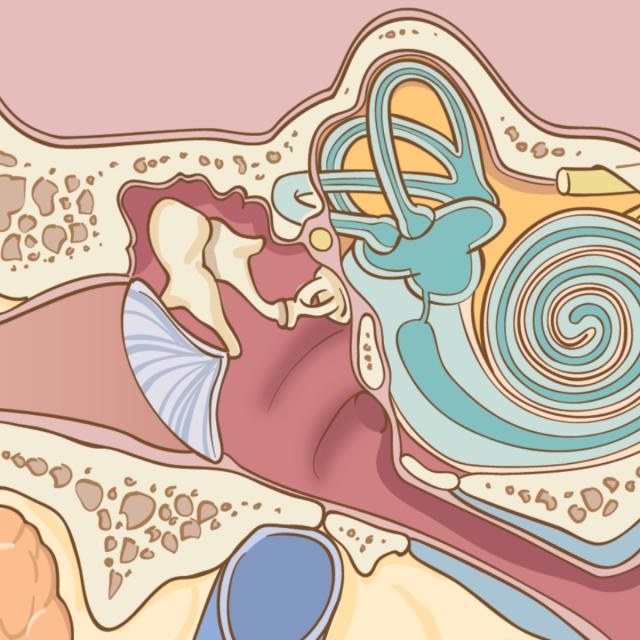
Welcome to Introduction to Hearing Loss. Disorders of the ear range from simple, easily treated entities (such as wax or cerumen impaction) to the highly complex (such as permanent hearing loss). Many of these disorders manifest with similar symptoms and may be difficult to differentiate without a basic understanding of the anatomy of the ear and auditory pathway.

Oct 5th 2026
4 Weeks